Clown Loach
Botia macracantha
In Stock
Common stock
Wild Caught
Moderate care
SKU: AQ-FW-0053
The Clown Loach is a colorful, playful freshwater fish that captivates aquarists worldwide.
Pricing for Verified Importers
Log in to see wholesale prices and order.
Export Size
up to 30.0 cm
Origin
Southeast Asia
Temperature
24.0–30.0°C
Min. Tank Size
200 L
pH
6.00–7.50
Diet
omnivore
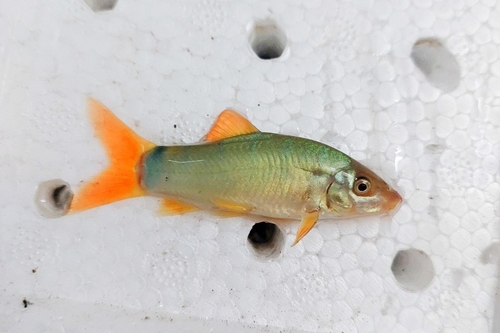
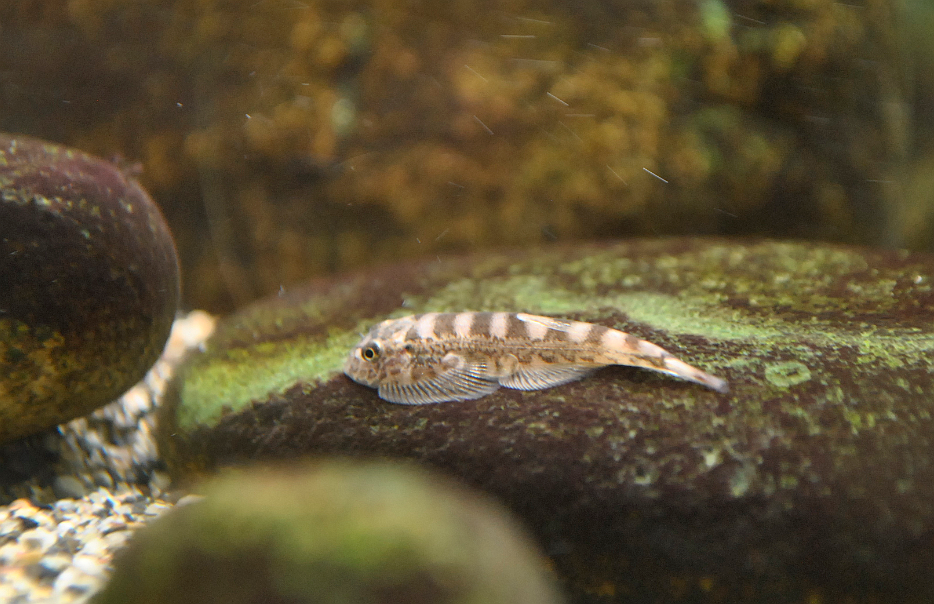
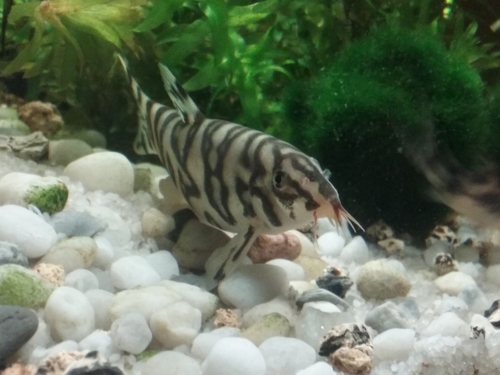
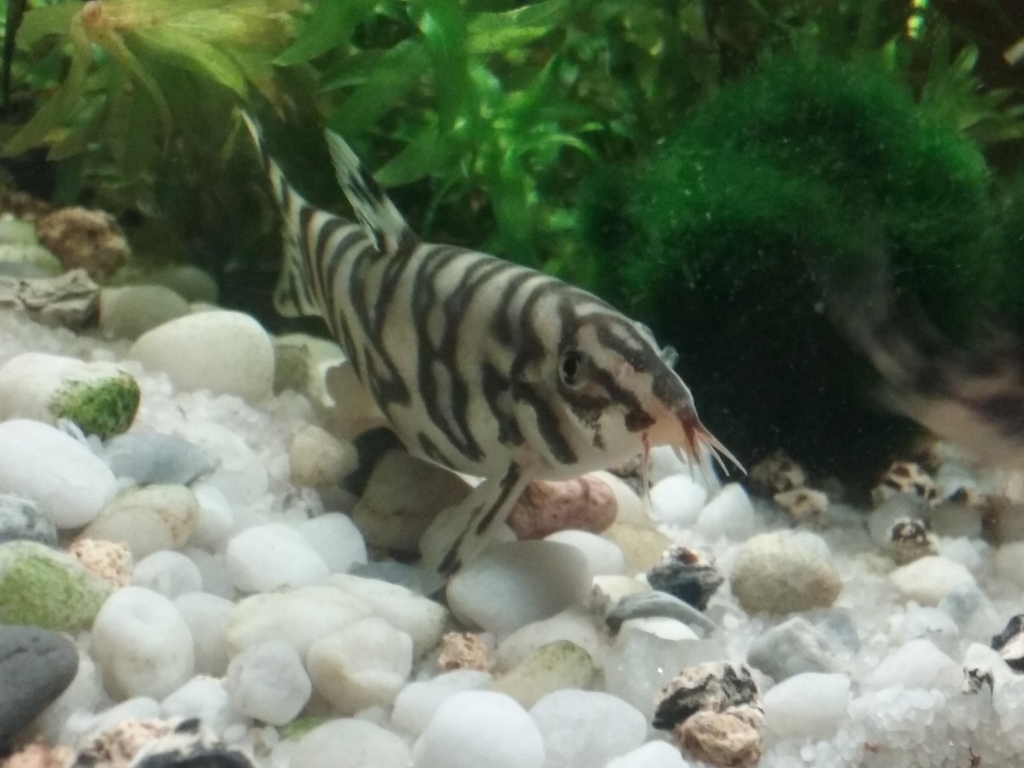
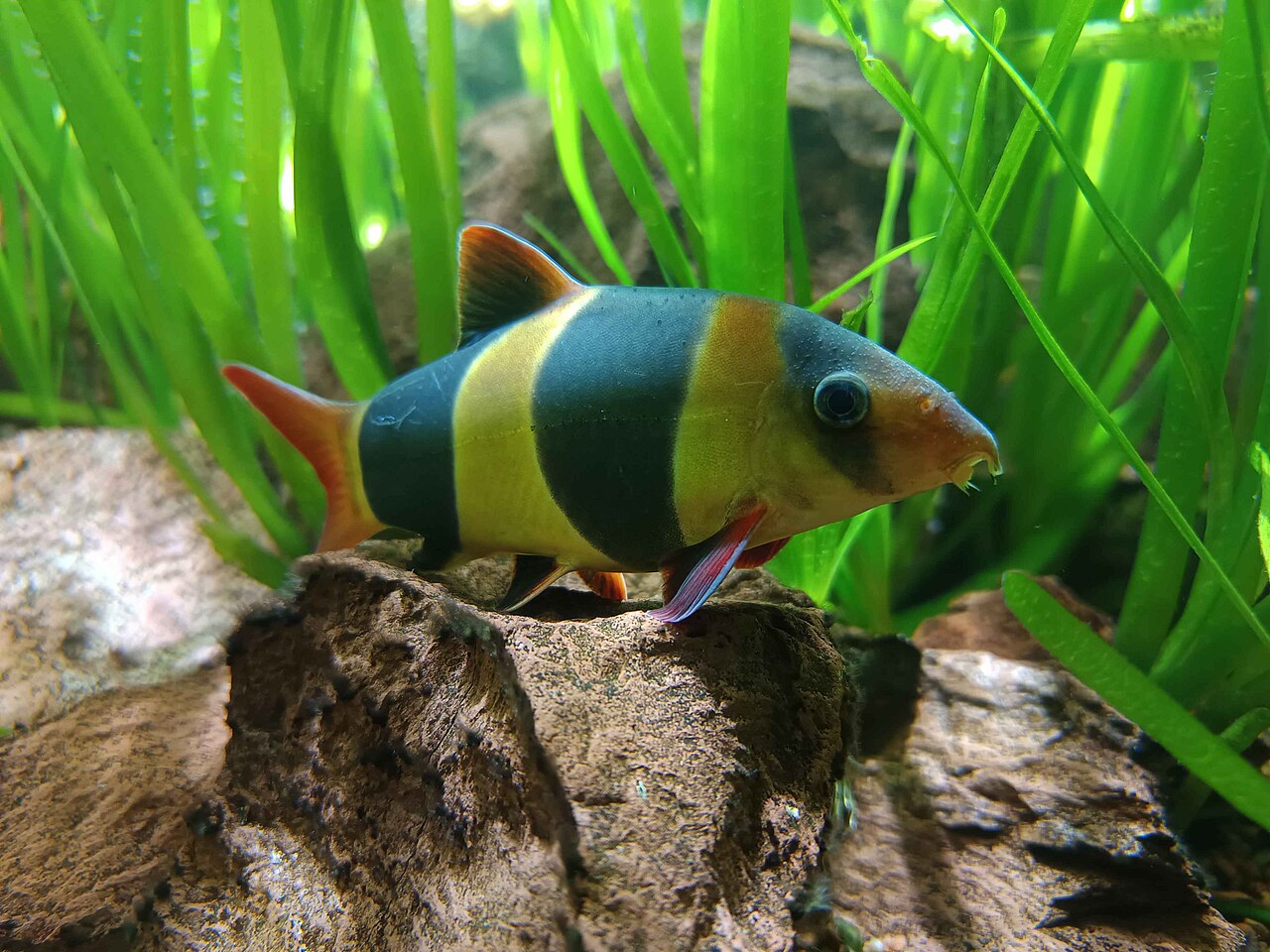
The Clown Loach (Botia macracantha) is a striking freshwater fish native to the river systems of Southeast Asia, particularly in Indonesia. Characterized by its vibrant orange and black stripes, this species can grow up to 30 cm in length, making it a visually appealing addition to any aquarium. Its body is elongated and laterally compressed, with a distinctive pattern that resembles a clown's costume, which is how it got its name. The Clown Loach is not only beautiful but also possesses a playful personality, often seen darting around the tank and interacting with tank mates.
In their natural habitat, Clown Loaches inhabit slow-moving rivers, streams, and floodplains, often seeking shelter in dense vegetation and submerged structures. They thrive in schools, which helps reduce stress and promotes their natural behaviors. Their diet in the wild primarily consists of invertebrates, small crustaceans, and plant material. As a result, they are known to be bottom feeders, using their sensitive barbels to search for food among the substrate.
The Clown Loach is also recognized for its unique behavior; they are known to make a clicking sound, which is produced by grinding their pharyngeal teeth. This sound serves as a form of communication, particularly during social interactions within their school. Additionally, they exhibit playful behavior, often playing hide-and-seek with their companions and exploring their environment, which adds to their charm as an aquarium species.
When kept in captivity, Clown Loaches require ample swimming space and hiding spots to mimic their natural environment. They are relatively hardy fish, but proper care and attention to water quality are crucial for their health and well-being.
In their natural habitat, Clown Loaches inhabit slow-moving rivers, streams, and floodplains, often seeking shelter in dense vegetation and submerged structures. They thrive in schools, which helps reduce stress and promotes their natural behaviors. Their diet in the wild primarily consists of invertebrates, small crustaceans, and plant material. As a result, they are known to be bottom feeders, using their sensitive barbels to search for food among the substrate.
The Clown Loach is also recognized for its unique behavior; they are known to make a clicking sound, which is produced by grinding their pharyngeal teeth. This sound serves as a form of communication, particularly during social interactions within their school. Additionally, they exhibit playful behavior, often playing hide-and-seek with their companions and exploring their environment, which adds to their charm as an aquarium species.
When kept in captivity, Clown Loaches require ample swimming space and hiding spots to mimic their natural environment. They are relatively hardy fish, but proper care and attention to water quality are crucial for their health and well-being.
To successfully care for Clown Loaches, it is essential to maintain stable water parameters. The ideal temperature range is between 24°C to 30°C, with a pH level of 6.0 to 7.5, and they thrive best in soft to moderately hard water. A minimum tank size of 200 liters is recommended to accommodate their active nature and social behavior. Providing plenty of hiding spots, such as caves and dense plants, is crucial, as these fish feel more secure in a well-structured environment.
Clown Loaches are omnivorous and should be fed a varied diet that includes high-quality flakes, pellets, and occasional live or frozen foods like bloodworms and brine shrimp. It is important to avoid overfeeding as it can lead to health issues. They are generally compatible with other peaceful community fish, but caution should be exercised with smaller fish that may be seen as food.
Acclimation is important when introducing Clown Loaches to a new tank. Gradually acclimate them over a few hours to prevent shock. A quarantine period of at least two weeks is recommended for new arrivals to ensure they are free from disease before being added to the main tank. Regular water changes and monitoring of water quality will help keep these vibrant fish healthy and stress-free.
Clown Loaches are omnivorous and should be fed a varied diet that includes high-quality flakes, pellets, and occasional live or frozen foods like bloodworms and brine shrimp. It is important to avoid overfeeding as it can lead to health issues. They are generally compatible with other peaceful community fish, but caution should be exercised with smaller fish that may be seen as food.
Acclimation is important when introducing Clown Loaches to a new tank. Gradually acclimate them over a few hours to prevent shock. A quarantine period of at least two weeks is recommended for new arrivals to ensure they are free from disease before being added to the main tank. Regular water changes and monitoring of water quality will help keep these vibrant fish healthy and stress-free.
Clown Loaches are suitable for shipping but require careful handling due to their sensitivity to temperature changes. Packing density should allow for adequate space to prevent stress during transit. It's recommended to ship them in bags with plenty of oxygen and minimal water to reduce movement. The ideal shipping temperature is between 24°C to 26°C. Clown Loaches are not listed on the CITES appendices, making them easier to export.
Species Parameters
Max Adult Size
30.0 cm
Origin
Southeast Asia
Diet
omnivore
Temp Min
24.0 °C
Temp Max
30.0 °C
pH Min
6.00
pH Max
7.50
Min Tank
200 L