DWARF LOACH
Botia sidthimunki
Out of Stock
Scarce stock
Wild Caught
Moderate care
Not Reef Safe
SKU: 01-A-29-023-04
The Dwarf Loach is a charming freshwater fish, known for its playful demeanor and striking appearance.
Pricing for Verified Importers
Log in to see wholesale prices and order.
Export Size
up to 8.0 cm
Origin
Southeast Asia
Temperature
24.0–28.0°C
Min. Tank Size
100 L
pH
6.00–7.50
Diet
omnivore
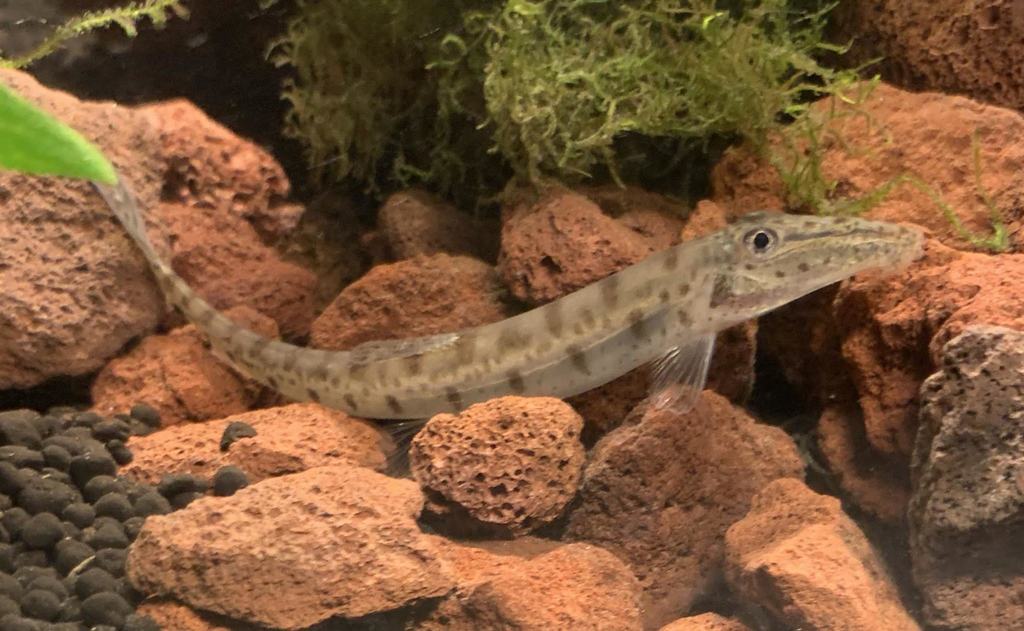
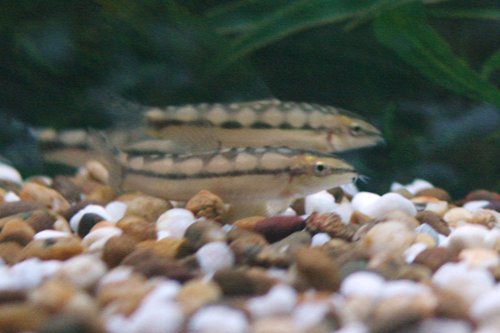
The Dwarf Loach (Botia sidthimunki) is a small, freshwater fish native to the streams and rivers of Southeast Asia, particularly in Thailand and Laos. This species belongs to the Botiidae family and is often sought after in the aquarium trade for its unique patterns and social behavior. Its common names, such as ladderback loach and chain loach, derive from its distinctive horizontal stripes and chain-like markings on its body, which can vary in color from golden-brown to olive green.
Dwarf Loaches typically reach a size of about 6 to 8 centimeters in length when fully grown. They possess a slender, elongated body with a rounded snout and small, sensitive barbels that help them forage for food in the substrate. Their vibrant appearance, combined with their energetic swimming style, makes them a favorite among aquarium enthusiasts. In the wild, these loaches tend to inhabit shallow waters with plenty of aquatic vegetation and substrate, where they can hide and search for food.
Behaviorally, Dwarf Loaches are known for their playful and inquisitive nature. They are social fish that thrive in small groups, often seen darting around the tank, exploring their environment, and interacting with tank mates. They are primarily nocturnal, becoming more active during the evening hours. This lively behavior makes them an engaging addition to community aquariums, as they can often be seen chasing each other and playing hide-and-seek among plants and decorations.
In terms of habitat, Dwarf Loaches prefer clean, well-oxygenated waters with a moderate current. They are commonly found in rivers and streams with sandy or gravel bottoms, where they can dig and search for food. Providing a similar environment in captivity will help them thrive, making it essential for aquarists to replicate their natural habitat as closely as possible.
Dwarf Loaches typically reach a size of about 6 to 8 centimeters in length when fully grown. They possess a slender, elongated body with a rounded snout and small, sensitive barbels that help them forage for food in the substrate. Their vibrant appearance, combined with their energetic swimming style, makes them a favorite among aquarium enthusiasts. In the wild, these loaches tend to inhabit shallow waters with plenty of aquatic vegetation and substrate, where they can hide and search for food.
Behaviorally, Dwarf Loaches are known for their playful and inquisitive nature. They are social fish that thrive in small groups, often seen darting around the tank, exploring their environment, and interacting with tank mates. They are primarily nocturnal, becoming more active during the evening hours. This lively behavior makes them an engaging addition to community aquariums, as they can often be seen chasing each other and playing hide-and-seek among plants and decorations.
In terms of habitat, Dwarf Loaches prefer clean, well-oxygenated waters with a moderate current. They are commonly found in rivers and streams with sandy or gravel bottoms, where they can dig and search for food. Providing a similar environment in captivity will help them thrive, making it essential for aquarists to replicate their natural habitat as closely as possible.
When caring for Dwarf Loaches, it's crucial to maintain optimal water parameters to ensure their health and well-being. They thrive in a temperature range of 24-28°C, with a pH level between 6.0 and 7.5. Regular water changes and proper filtration are necessary to keep the water clean and well-oxygenated. A minimum tank size of 100 liters is recommended for a small group of Dwarf Loaches, allowing them ample space to swim and explore.
Dwarf Loaches are omnivorous and enjoy a varied diet that includes high-quality pellets, sinking wafers, and occasional live or frozen foods like bloodworms and daphnia. Offering a balanced diet will promote their growth and vibrant coloration. Compatibility is generally good with other peaceful species, although they may exhibit territorial behavior if kept in smaller groups. It's advisable to keep them in groups of at least five to minimize stress and encourage natural social behavior.
Acclimation is essential when introducing Dwarf Loaches to a new environment. Gradually acclimate them to the tank's water conditions by floating the sealed bag in the tank for about 15-20 minutes, then slowly mixing tank water into the bag over the course of an hour. Quarantine new arrivals for at least two weeks before adding them to the main tank to prevent the spread of disease.
Dwarf Loaches are omnivorous and enjoy a varied diet that includes high-quality pellets, sinking wafers, and occasional live or frozen foods like bloodworms and daphnia. Offering a balanced diet will promote their growth and vibrant coloration. Compatibility is generally good with other peaceful species, although they may exhibit territorial behavior if kept in smaller groups. It's advisable to keep them in groups of at least five to minimize stress and encourage natural social behavior.
Acclimation is essential when introducing Dwarf Loaches to a new environment. Gradually acclimate them to the tank's water conditions by floating the sealed bag in the tank for about 15-20 minutes, then slowly mixing tank water into the bag over the course of an hour. Quarantine new arrivals for at least two weeks before adding them to the main tank to prevent the spread of disease.
Dwarf Loaches are suitable for shipping, but care must be taken to ensure their well-being during transit. Optimal packing density should be maintained to minimize stress, ideally shipping 10-15 individuals per bag with ample oxygen. They are sensitive to temperature fluctuations, so maintaining a temperature range of 24-28°C during shipping is crucial. Dwarf Loaches are not listed under CITES, making them easier to export without additional regulations.
Species Parameters
Max Adult Size
8.0 cm
Origin
Southeast Asia
Diet
omnivore
Temp Min
24.0 °C
Temp Max
28.0 °C
pH Min
6.00
pH Max
7.50
Min Tank
100 L