Neon Kuhlii Loach
Pangio kuhlii
In Stock
Common stock
Wild Caught
Moderate care
Not Reef Safe
SKU: 01-A-29-013-15
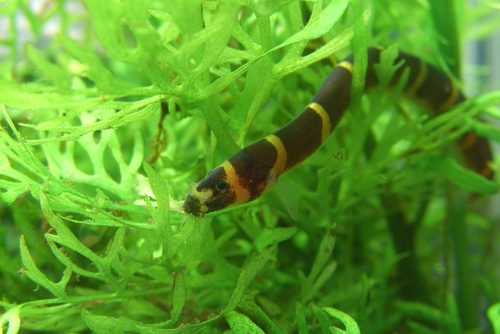
The Neon Kuhlii Loach is a captivating, eel-like fish known for its unique coloration and playful behavior.
Pricing for Verified Importers
Log in to see wholesale prices and order.
Export Size
up to 10.0 cm
Origin
Southeast Asia
Temperature
24.0–28.0°C
Min. Tank Size
100 L
pH
6.00–7.50
Diet
omnivore
The Neon Kuhlii Loach (Pangio kuhlii) is a fascinating freshwater species native to the tropical waters of Southeast Asia, particularly Indonesia. This elongated fish features a slender, eel-like body adorned with striking yellow and black stripes, which serve as effective camouflage among the leaf litter and substrate of its natural habitat. As a nocturnal species, the Neon Kuhlii Loach prefers to remain hidden during the day, emerging at night to forage for food and interact with its surroundings.
In their natural habitat, these loaches inhabit slow-moving rivers, streams, and swampy areas with dense vegetation, making them highly adaptable to various aquatic environments. They thrive in soft, slightly acidic waters, often found among leaf litter and submerged roots, which provide essential cover. The Neon Kuhlii Loach is known for its peaceful demeanor, making it an excellent addition to community tanks, where it can coexist harmoniously with other small, non-aggressive fish.
Behaviorally, these loaches are social creatures that enjoy the company of their own kind, often seen swimming in small groups. Their playful antics and scavenging habits make them entertaining to observe, as they explore their environment and search for food. When kept in an aquarium, they will appreciate hiding spots such as caves, driftwood, and densely planted areas, which mimic their natural habitat and help reduce stress.
Overall, the Neon Kuhlii Loach is not only visually appealing but also contributes to the ecological balance of the aquarium by aiding in the cleanup of leftover food and detritus, making them a valuable addition for both hobbyists and retailers alike.
In their natural habitat, these loaches inhabit slow-moving rivers, streams, and swampy areas with dense vegetation, making them highly adaptable to various aquatic environments. They thrive in soft, slightly acidic waters, often found among leaf litter and submerged roots, which provide essential cover. The Neon Kuhlii Loach is known for its peaceful demeanor, making it an excellent addition to community tanks, where it can coexist harmoniously with other small, non-aggressive fish.
Behaviorally, these loaches are social creatures that enjoy the company of their own kind, often seen swimming in small groups. Their playful antics and scavenging habits make them entertaining to observe, as they explore their environment and search for food. When kept in an aquarium, they will appreciate hiding spots such as caves, driftwood, and densely planted areas, which mimic their natural habitat and help reduce stress.
Overall, the Neon Kuhlii Loach is not only visually appealing but also contributes to the ecological balance of the aquarium by aiding in the cleanup of leftover food and detritus, making them a valuable addition for both hobbyists and retailers alike.
To maintain a healthy environment for Neon Kuhlii Loaches, it is crucial to replicate their natural habitat. Ideal water parameters include a temperature range of 24-28°C, a pH level between 6.0 and 7.5, and soft to moderately hard water. Regular water changes and proper filtration are essential to keep the water quality high, as these fish thrive in well-maintained aquariums.
Feeding these loaches is relatively simple, as they are omnivorous scavengers. A balanced diet consisting of high-quality flake foods, sinking pellets, and occasional live or frozen foods such as bloodworms or brine shrimp will keep them healthy and active. It is essential to feed them in the evening when they are most active, ensuring they receive adequate nutrition.
In terms of compatibility, Neon Kuhlii Loaches are peaceful and can be housed with a variety of other small fish species. However, they should be kept away from larger, aggressive fish that might see them as prey. When introducing them to a new aquarium, acclimation should be gradual to minimize stress, ideally through a drip acclimation method over several hours.
Quarantine is also recommended prior to adding them to a community tank, as this helps prevent the introduction of any potential diseases. A separate quarantine tank with similar water parameters can ensure the loaches are healthy and free from illness before joining their new home.
Feeding these loaches is relatively simple, as they are omnivorous scavengers. A balanced diet consisting of high-quality flake foods, sinking pellets, and occasional live or frozen foods such as bloodworms or brine shrimp will keep them healthy and active. It is essential to feed them in the evening when they are most active, ensuring they receive adequate nutrition.
In terms of compatibility, Neon Kuhlii Loaches are peaceful and can be housed with a variety of other small fish species. However, they should be kept away from larger, aggressive fish that might see them as prey. When introducing them to a new aquarium, acclimation should be gradual to minimize stress, ideally through a drip acclimation method over several hours.
Quarantine is also recommended prior to adding them to a community tank, as this helps prevent the introduction of any potential diseases. A separate quarantine tank with similar water parameters can ensure the loaches are healthy and free from illness before joining their new home.
Neon Kuhlii Loaches are suitable for shipping under optimal conditions. They should be packed in breathable bags with sufficient oxygen and water, ensuring a density that allows for adequate space. The ideal shipping temperature is between 24-28°C to minimize stress. These fish are not listed under CITES, allowing for straightforward export without additional regulatory complications.
Species Parameters
Max Adult Size
10.0 cm
Origin
Southeast Asia
Diet
omnivore
Temp Min
24.0 °C
Temp Max
28.0 °C
pH Min
6.00
pH Max
7.50
Min Tank
100 L