Leporinus Strawberry
Leporinus sp. "Strawberry"
Out of Stock
Scarce stock
Wild Caught
Moderate care
Not Reef Safe
SKU: 01-A-14-069-07
The Leporinus Strawberry boasts vibrant colors and playful behavior, making it a captivating addition to any freshwater aquarium.
Pricing for Verified Importers
Log in to see wholesale prices and order.
Export Size
up to 15.0 cm
Origin
Southeast Asia
Temperature
24.0–28.0°C
Min. Tank Size
150 L
pH
6.00–7.50
Diet
omnivore
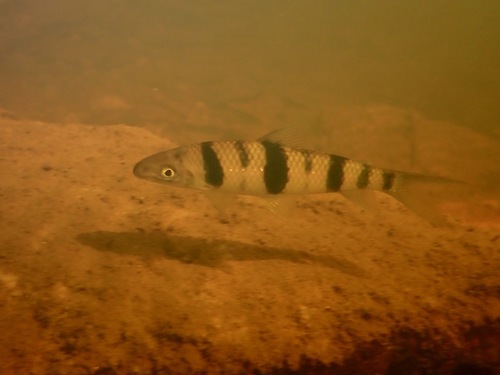
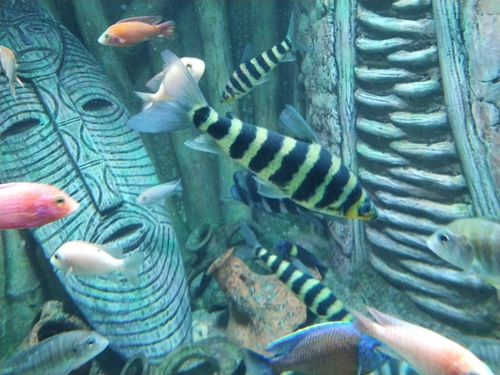
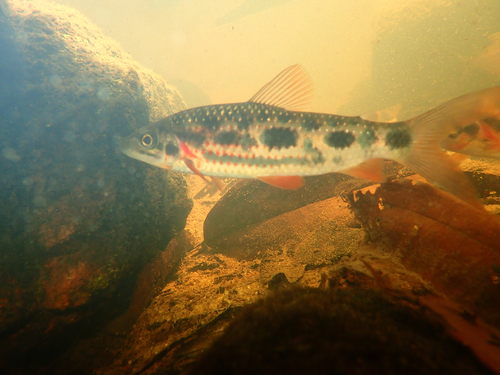
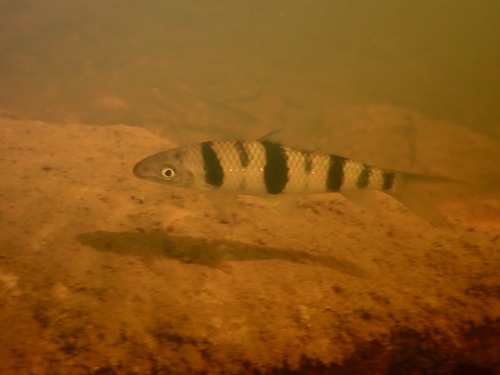
The Leporinus Strawberry (Leporinus sp. 'Strawberry') is a striking freshwater fish native to the rivers of South America. Known for its vibrant coloration, this species features a unique pattern of red and orange hues interspersed with black spots, giving it a visually appealing appearance that stands out in any aquarium setting. Adults can reach lengths of up to 15 centimeters, and their elongated, torpedo-shaped bodies are complemented by a distinctive dorsal fin that enhances their graceful swimming style.
In terms of behavior, Leporinus Strawberry is a relatively active fish, often seen swimming in schools within its natural habitat. They are known for their playful nature, which makes them an engaging species for aquarists. Although they can be territorial, especially during breeding, they generally coexist well with other semi-aggressive fish. This adaptability to various tank mates, combined with their captivating displays of color, makes them a popular choice among aquarium enthusiasts.
The natural habitat of the Leporinus Strawberry consists of slow-moving rivers and streams, where they inhabit areas rich in vegetation. These environments provide ample cover from predators, which is essential for their survival in the wild. In captivity, replicating these conditions with plenty of hiding spots and plants will help promote their well-being and reduce stress levels.
Overall, the Leporinus Strawberry is not only visually stunning but also an intriguing species that adds dynamism to freshwater aquariums. Their sociable behavior and adaptability to different tank conditions make them an excellent choice for both novice and experienced aquarists alike.
In terms of behavior, Leporinus Strawberry is a relatively active fish, often seen swimming in schools within its natural habitat. They are known for their playful nature, which makes them an engaging species for aquarists. Although they can be territorial, especially during breeding, they generally coexist well with other semi-aggressive fish. This adaptability to various tank mates, combined with their captivating displays of color, makes them a popular choice among aquarium enthusiasts.
The natural habitat of the Leporinus Strawberry consists of slow-moving rivers and streams, where they inhabit areas rich in vegetation. These environments provide ample cover from predators, which is essential for their survival in the wild. In captivity, replicating these conditions with plenty of hiding spots and plants will help promote their well-being and reduce stress levels.
Overall, the Leporinus Strawberry is not only visually stunning but also an intriguing species that adds dynamism to freshwater aquariums. Their sociable behavior and adaptability to different tank conditions make them an excellent choice for both novice and experienced aquarists alike.
To ensure the health and happiness of Leporinus Strawberry, it is crucial to maintain optimal water parameters. They thrive in temperatures ranging from 24°C to 28°C, with a pH level between 6.0 and 7.5. Regular water changes and filtration are essential to keep the water clean and well-oxygenated. As a freshwater species, they prefer a slightly acidic to neutral pH, which mimics their natural habitat.
Feeding Leporinus Strawberry is straightforward, as they are omnivorous. A varied diet that includes high-quality flakes, pellets, and occasional live or frozen foods such as brine shrimp or bloodworms will keep them healthy and vibrant. It’s essential to feed them in moderation to prevent overfeeding, which can lead to water quality issues.
Compatibility-wise, Leporinus Strawberry does well with other semi-aggressive fish that are similar in size. However, caution should be taken when housing them with smaller species, as their playful nature could lead to unintentional stress or harm. Acclimating new fish to the tank should be done slowly, allowing them to adjust to the water conditions gradually.
Quarantine new arrivals for at least two weeks before introducing them to the main tank to prevent the spread of diseases. This practice helps ensure that all fish remain healthy and reduces the risk of infection in the aquarium setup.
Feeding Leporinus Strawberry is straightforward, as they are omnivorous. A varied diet that includes high-quality flakes, pellets, and occasional live or frozen foods such as brine shrimp or bloodworms will keep them healthy and vibrant. It’s essential to feed them in moderation to prevent overfeeding, which can lead to water quality issues.
Compatibility-wise, Leporinus Strawberry does well with other semi-aggressive fish that are similar in size. However, caution should be taken when housing them with smaller species, as their playful nature could lead to unintentional stress or harm. Acclimating new fish to the tank should be done slowly, allowing them to adjust to the water conditions gradually.
Quarantine new arrivals for at least two weeks before introducing them to the main tank to prevent the spread of diseases. This practice helps ensure that all fish remain healthy and reduces the risk of infection in the aquarium setup.
Leporinus Strawberry is suitable for shipping, provided they are packed with care to minimize stress. Recommended packing density is 1-2 fish per liter of water, ensuring they have enough space during transit. They are sensitive to temperature fluctuations, so it’s crucial to maintain a stable temperature between 24°C and 28°C during shipping. Currently, there are no CITES restrictions on this species, making it easier for importers and wholesalers to source them.
Species Parameters
Max Adult Size
15.0 cm
Origin
Southeast Asia
Diet
omnivore
Temp Min
24.0 °C
Temp Max
28.0 °C
pH Min
6.00
pH Max
7.50
Min Tank
150 L