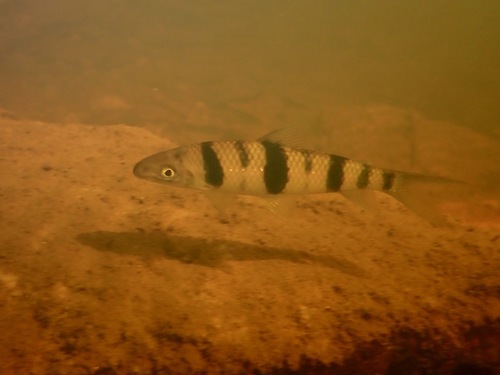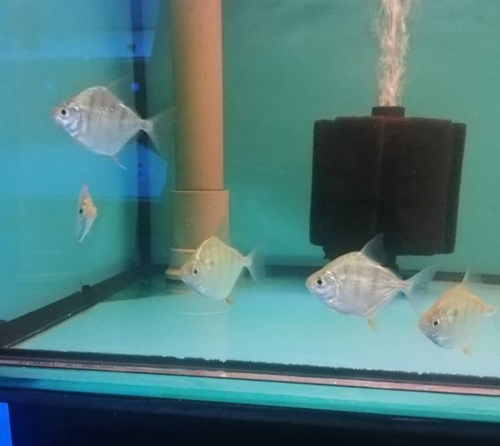
Metynnis fasciatus 'Rio Capim'
Metynnis fasciatus 'Rio Capim'
In Stock
Common stock
Wild Caught
Moderate care
Not Reef Safe
SKU: 01-A-14-031-04
Discover the stunning Metynnis fasciatus 'Rio Capim', a vibrant addition to any freshwater aquarium.
Pricing for Verified Importers
Log in to see wholesale prices and order.
Export Size
up to 15.0 cm
Origin
Amazon Basin
Temperature
24.0–28.0°C
Min. Tank Size
150 L
pH
6.00–7.50
Diet
omnivore
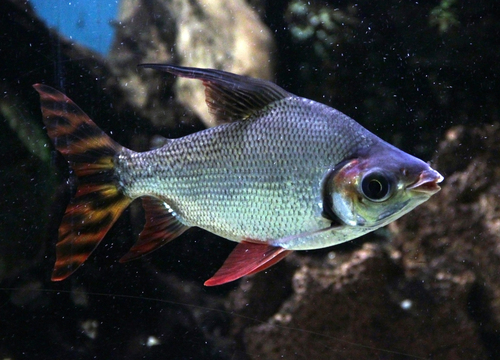
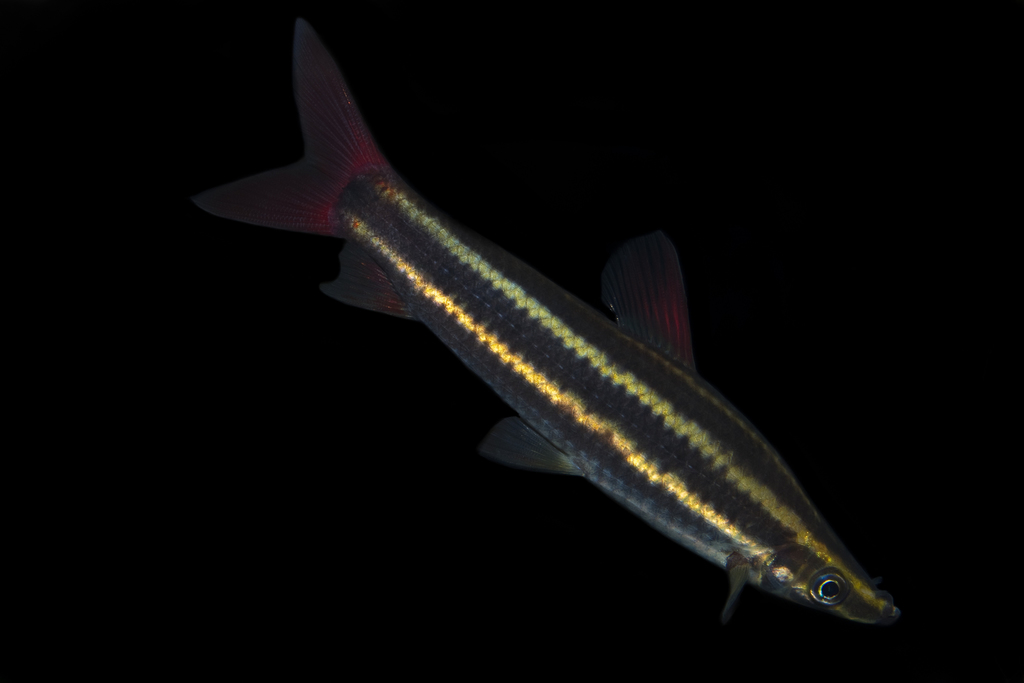
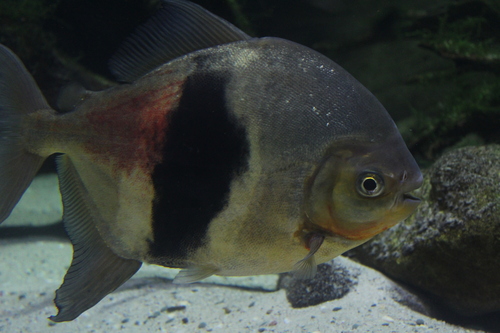
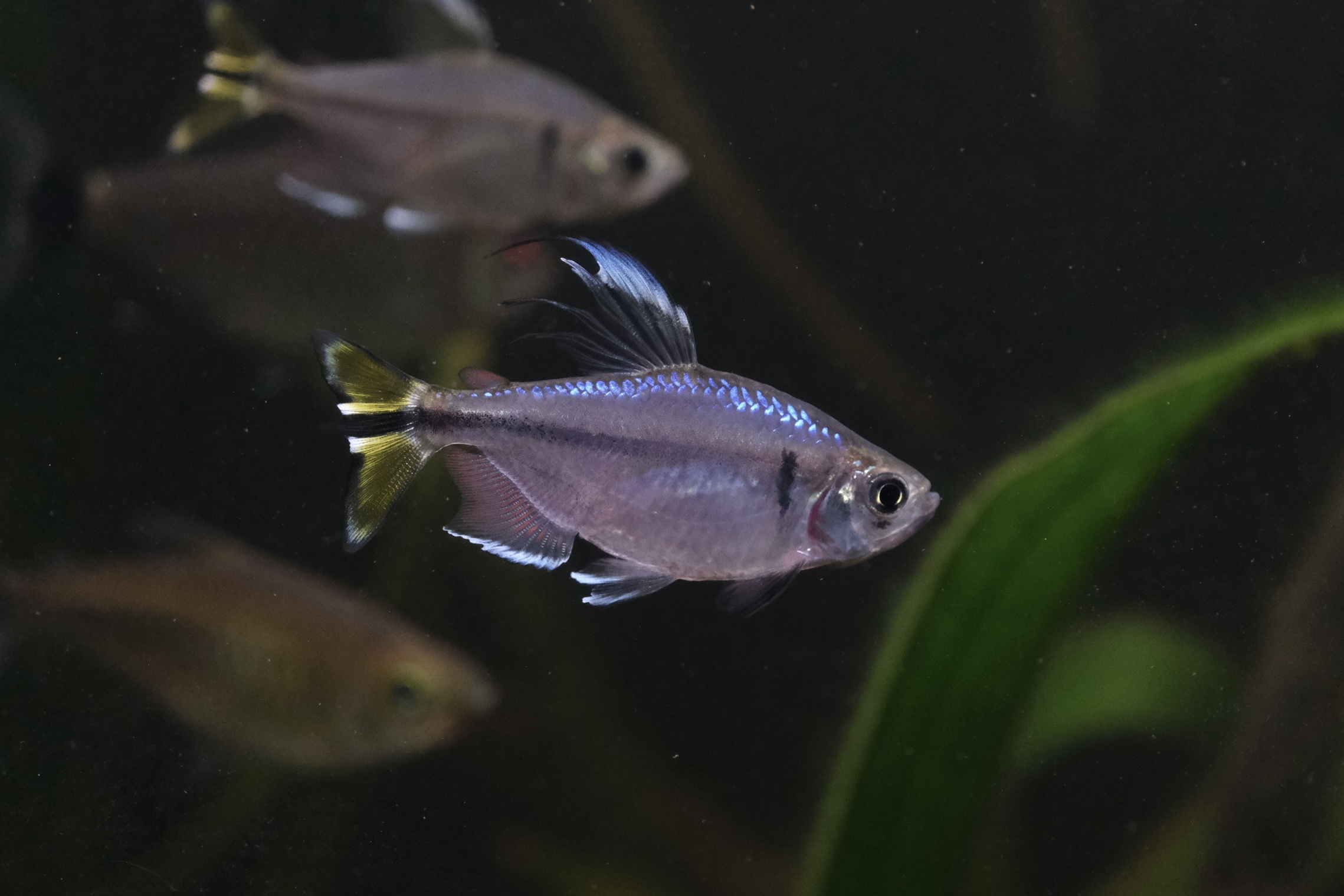
Metynnis fasciatus 'Rio Capim', commonly known as the Rio Capim Metynnis, is a striking freshwater fish native to the Rio Capim region in Brazil. This species is renowned for its unique coloration, exhibiting a mix of shimmering silver and deep blue hues that can change depending on their environment and mood. The Rio Capim Metynnis also displays beautiful vertical bands, which further enhance its visual appeal, making it a popular choice among aquarists seeking to add a splash of color to their tanks.
In terms of natural history, Metynnis fasciatus is a member of the Characidae family, which includes many well-known freshwater fish. They inhabit slow-moving rivers and floodplains where they can find ample vegetation and cover. The species thrives in dense aquatic plant life, which provides both food and shelter from predators. This fish is typically found in schools, showcasing their social nature, which is an important aspect of their behavior in both the wild and in captivity.
The Rio Capim Metynnis is known for its active swimming patterns, often darting around the aquarium in a playful manner. They are peaceful fish, making them suitable for community tanks, but they do require sufficient space to swim freely. Their social behavior means they should ideally be kept in groups of six or more to reduce stress and encourage natural schooling behavior. The addition of plants and hiding spots in the aquarium will also help mimic their natural habitat and promote well-being.
Overall, the Metynnis fasciatus 'Rio Capim' is not only visually stunning but also a fascinating species with engaging behaviors that can enrich any aquarium setup. Their adaptability and social nature make them a favorite among both novice and experienced aquarists alike.
In terms of natural history, Metynnis fasciatus is a member of the Characidae family, which includes many well-known freshwater fish. They inhabit slow-moving rivers and floodplains where they can find ample vegetation and cover. The species thrives in dense aquatic plant life, which provides both food and shelter from predators. This fish is typically found in schools, showcasing their social nature, which is an important aspect of their behavior in both the wild and in captivity.
The Rio Capim Metynnis is known for its active swimming patterns, often darting around the aquarium in a playful manner. They are peaceful fish, making them suitable for community tanks, but they do require sufficient space to swim freely. Their social behavior means they should ideally be kept in groups of six or more to reduce stress and encourage natural schooling behavior. The addition of plants and hiding spots in the aquarium will also help mimic their natural habitat and promote well-being.
Overall, the Metynnis fasciatus 'Rio Capim' is not only visually stunning but also a fascinating species with engaging behaviors that can enrich any aquarium setup. Their adaptability and social nature make them a favorite among both novice and experienced aquarists alike.
When caring for Metynnis fasciatus 'Rio Capim', maintaining optimal water parameters is crucial for their well-being. They thrive in a temperature range of 24-28°C and prefer a pH level between 6.0 and 7.5. As a freshwater species, they do not require any salinity in their environment. It is also recommended to keep a minimum tank size of 150 liters to accommodate their active swimming behavior and schooling nature.
Feeding these fish is relatively straightforward, as they are omnivores. A varied diet including high-quality flake foods, pellets, and occasional live or frozen foods such as brine shrimp or bloodworms will keep them healthy and vibrant. It is important to feed them multiple times a day in small amounts to avoid overfeeding and ensure all fish in the tank can access food.
Compatibility is another key factor in keeping Metynnis fasciatus. These fish are generally peaceful and can be housed with other non-aggressive species, but it's best to avoid keeping them with very small or territorial fish that may stress them. Acclimation should be done gradually to minimize shock; this can be achieved by floating the sealed bag in the tank for about 15-20 minutes before releasing them into the aquarium.
Quarantine is recommended for new arrivals to prevent introducing any diseases to the main tank. A separate quarantine tank for at least 2-4 weeks will allow you to monitor their health and ensure they are free from any parasites or illnesses before adding them to the community tank.
Feeding these fish is relatively straightforward, as they are omnivores. A varied diet including high-quality flake foods, pellets, and occasional live or frozen foods such as brine shrimp or bloodworms will keep them healthy and vibrant. It is important to feed them multiple times a day in small amounts to avoid overfeeding and ensure all fish in the tank can access food.
Compatibility is another key factor in keeping Metynnis fasciatus. These fish are generally peaceful and can be housed with other non-aggressive species, but it's best to avoid keeping them with very small or territorial fish that may stress them. Acclimation should be done gradually to minimize shock; this can be achieved by floating the sealed bag in the tank for about 15-20 minutes before releasing them into the aquarium.
Quarantine is recommended for new arrivals to prevent introducing any diseases to the main tank. A separate quarantine tank for at least 2-4 weeks will allow you to monitor their health and ensure they are free from any parasites or illnesses before adding them to the community tank.
Metynnis fasciatus 'Rio Capim' is suitable for shipping, but care must be taken to ensure proper conditions during transit. Packing density should allow for adequate oxygen exchange, ideally limiting the number of fish per bag to reduce stress. Temperature must be maintained between 24-28°C during shipping, as they are sensitive to extreme fluctuations. This species is not listed under CITES, which simplifies export regulations.
Species Parameters
Max Adult Size
15.0 cm
Origin
Amazon Basin
Diet
omnivore
Temp Min
24.0 °C
Temp Max
28.0 °C
pH Min
6.00
pH Max
7.50
Min Tank
150 L