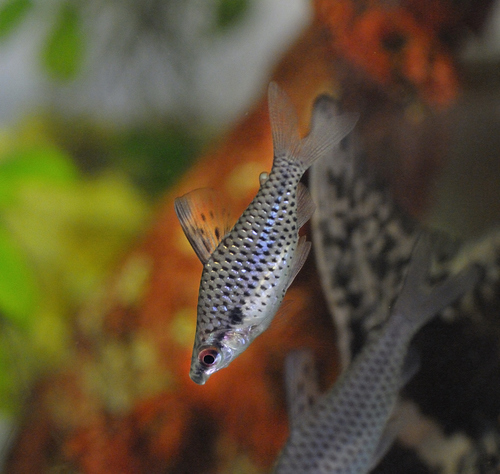
Spotted Headstander
Chilodus punctatus
Out of Stock
Scarce stock
Wild Caught
Moderate care
Not Reef Safe
SKU: 01-A-14-008-04
The Spotted Headstander is a unique freshwater fish known for its striking appearance and social behavior.
Pricing for Verified Importers
Log in to see wholesale prices and order.
Export Size
up to 10.0 cm
Origin
Amazon Basin
Temperature
24.0–28.0°C
Min. Tank Size
100 L
pH
6.00–7.50
Diet
omnivore
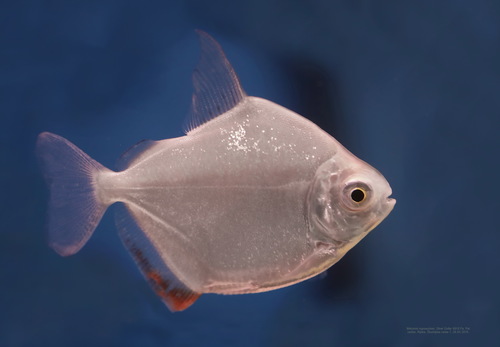
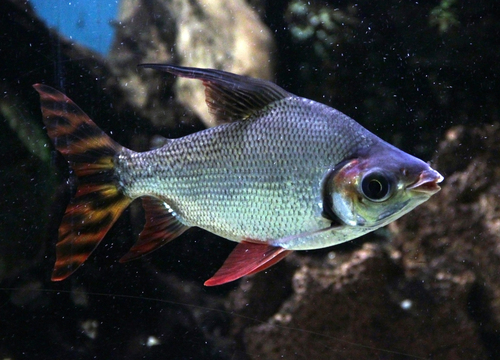
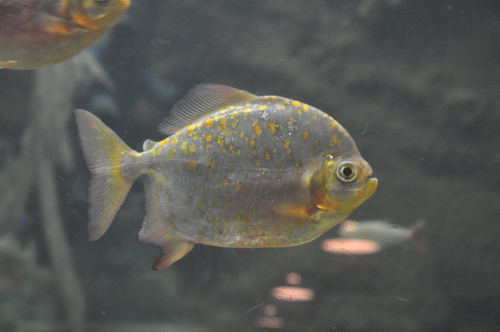
The Spotted Headstander (Chilodus punctatus) is a captivating freshwater fish native to the rivers and lakes of South America, particularly in regions of the Amazon Basin. Characterized by its unique dorsal fin position, this species has a distinct body shape that allows it to maintain a head-up position while foraging for food. The Spotted Headstander features a series of dark spots along its body, with a silvery background that enhances its visual appeal, making it an attractive addition to any aquarium.
In terms of behavior, Spotted Headstanders are known for their social nature. They thrive in groups, displaying playful interactions among their peers. This schooling behavior not only enhances their wellbeing but also makes them more visually striking in aquarium settings. They are generally peaceful, which allows them to coexist with a variety of other species, making them an ideal choice for community tanks.
Their preferred habitat comprises slow-moving waters rich in vegetation, where they can find ample food and shelter. They primarily inhabit areas with dense plant life, which provides security and a foraging environment. This species typically feeds on small invertebrates and plant material, which is crucial for their health and vitality.
The Spotted Headstander is relatively hardy, adapting well to various freshwater conditions, which further increases its appeal to aquarists. However, providing an environment that closely mimics its natural habitat will ensure optimal growth and behavior in captivity.
In terms of behavior, Spotted Headstanders are known for their social nature. They thrive in groups, displaying playful interactions among their peers. This schooling behavior not only enhances their wellbeing but also makes them more visually striking in aquarium settings. They are generally peaceful, which allows them to coexist with a variety of other species, making them an ideal choice for community tanks.
Their preferred habitat comprises slow-moving waters rich in vegetation, where they can find ample food and shelter. They primarily inhabit areas with dense plant life, which provides security and a foraging environment. This species typically feeds on small invertebrates and plant material, which is crucial for their health and vitality.
The Spotted Headstander is relatively hardy, adapting well to various freshwater conditions, which further increases its appeal to aquarists. However, providing an environment that closely mimics its natural habitat will ensure optimal growth and behavior in captivity.
To ensure the health and well-being of Spotted Headstanders, maintain water parameters that closely replicate their natural habitat. Ideal temperatures range from 24°C to 28°C, with a pH level between 6.0 and 7.5. Regular water changes are essential to maintain water quality, as these fish are sensitive to pollutants. A minimum tank size of 100 liters is recommended to accommodate their schooling nature and provide ample swimming space.
Feeding should consist of a varied diet that includes high-quality flakes, pellets, and live or frozen foods such as brine shrimp and daphnia, catering to their omnivorous tendencies. Proper nutrition will promote vibrant coloration and healthy growth. Compatibility is generally good, as they are peaceful fish; however, avoid housing them with overly aggressive species that might stress them.
Acclimation should be gradual to minimize stress; float the sealed bag in the tank for about 15 minutes before releasing the fish. Quarantine new arrivals for at least two weeks to monitor for any signs of disease, ensuring a healthy addition to your display tank. By following these guidelines, importers and retailers can maintain a thriving population of Spotted Headstanders.
Feeding should consist of a varied diet that includes high-quality flakes, pellets, and live or frozen foods such as brine shrimp and daphnia, catering to their omnivorous tendencies. Proper nutrition will promote vibrant coloration and healthy growth. Compatibility is generally good, as they are peaceful fish; however, avoid housing them with overly aggressive species that might stress them.
Acclimation should be gradual to minimize stress; float the sealed bag in the tank for about 15 minutes before releasing the fish. Quarantine new arrivals for at least two weeks to monitor for any signs of disease, ensuring a healthy addition to your display tank. By following these guidelines, importers and retailers can maintain a thriving population of Spotted Headstanders.
Spotted Headstanders are suitable for shipping due to their hardiness, but proper care is essential during transit. Use insulated boxes and oxygen-rich bags to minimize stress and ensure temperature stability. Ideal shipping temperatures should be maintained between 24°C and 28°C. It is crucial to limit packing density to avoid overcrowding, which can lead to stress and health issues. This species is not listed under CITES, facilitating easier international trade.
Species Parameters
Max Adult Size
10.0 cm
Origin
Amazon Basin
Diet
omnivore
Temp Min
24.0 °C
Temp Max
28.0 °C
pH Min
6.00
pH Max
7.50
Min Tank
100 L