Channa Bankanensis
Channa bankanensis
Out of Stock
Scarce stock
Wild Caught
Moderate care
Not Reef Safe
SKU: 01-A-34-076-03
Discover Channa Bankanensis, a fascinating freshwater fish known for its striking appearance and unique behaviors.
Pricing for Verified Importers
Log in to see wholesale prices and order.
Export Size
up to 23.5 cm
Origin
Southeast Asia
Temperature
24.0–28.0°C
Min. Tank Size
100 L
pH
6.50–7.50
Diet
carnivore
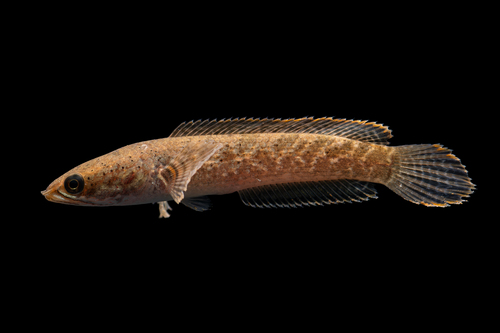
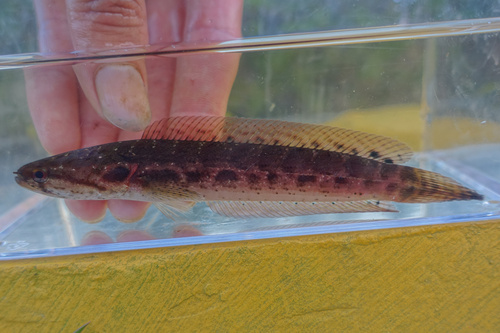
Channa bankanensis, commonly known as the Bankan snakehead, is a captivating freshwater fish species belonging to the Channa genus. Native to the lush waters of Indonesia and Malaysia, this species exhibits a maximum length of 23.5 cm (9.3 in), making it a moderate-sized addition to freshwater aquariums. Its elongated body is characterized by a series of distinctive dark markings that contrast beautifully with its lighter background, providing an eye-catching display in any aquatic setup.
In their natural habitat, Channa bankanensis can be found in slow-moving rivers, swamps, and marshes. These environments are rich in vegetation, which serves as both shelter and hunting grounds. The species is known for its ambush predation tactics, often hiding among dense plant life before striking at unsuspecting prey. This behavior not only showcases its adaptability but also highlights the importance of providing a well-planted aquarium environment that mimics its natural surroundings.
Channa bankanensis displays a range of intriguing behaviors, including territoriality and parental care. Males are particularly known for their aggressive demeanor during breeding, often defending their nesting sites vigorously. This species forms monogamous pairs, with the male taking an active role in guarding the eggs and fry. Such fascinating social dynamics make them a compelling choice for aquarists interested in observing natural fish behaviors.
Overall, Channa bankanensis presents an exciting opportunity for enthusiasts and retailers alike, combining aesthetic appeal with interesting behavior patterns that enhance the aquarium experience.
In their natural habitat, Channa bankanensis can be found in slow-moving rivers, swamps, and marshes. These environments are rich in vegetation, which serves as both shelter and hunting grounds. The species is known for its ambush predation tactics, often hiding among dense plant life before striking at unsuspecting prey. This behavior not only showcases its adaptability but also highlights the importance of providing a well-planted aquarium environment that mimics its natural surroundings.
Channa bankanensis displays a range of intriguing behaviors, including territoriality and parental care. Males are particularly known for their aggressive demeanor during breeding, often defending their nesting sites vigorously. This species forms monogamous pairs, with the male taking an active role in guarding the eggs and fry. Such fascinating social dynamics make them a compelling choice for aquarists interested in observing natural fish behaviors.
Overall, Channa bankanensis presents an exciting opportunity for enthusiasts and retailers alike, combining aesthetic appeal with interesting behavior patterns that enhance the aquarium experience.
To successfully maintain Channa bankanensis in a captive environment, it is crucial to replicate their natural water conditions. Recommended water parameters include a temperature range of 24-28°C, a pH level between 6.5 and 7.5, and a minimum tank size of 100 liters to accommodate their territorial nature. A well-filtered aquarium with plenty of hiding spots and plants is ideal, as it provides security and reduces stress.
Feeding Channa bankanensis is relatively straightforward, as they are carnivorous and thrive on a varied diet. High-quality pellets, live or frozen foods such as fish, shrimp, and worms should be offered to ensure they receive adequate nutrition. Regular feeding schedules, with portions adjusted based on their size, will help maintain their health.
Compatibility with other species can be challenging, as Channa bankanensis can display aggressive tendencies, particularly during breeding. It is best to house them with larger, more robust tank mates that can withstand their assertive behavior. Before introducing new fish, a proper acclimation process is essential to minimize stress and ensure a smooth transition.
Implementing a quarantine period for new arrivals is highly advisable, ideally lasting 2-4 weeks, to monitor for any signs of disease before introducing them to the main tank. This practice not only safeguards the health of existing fish but also contributes to a stable aquarium environment.
Feeding Channa bankanensis is relatively straightforward, as they are carnivorous and thrive on a varied diet. High-quality pellets, live or frozen foods such as fish, shrimp, and worms should be offered to ensure they receive adequate nutrition. Regular feeding schedules, with portions adjusted based on their size, will help maintain their health.
Compatibility with other species can be challenging, as Channa bankanensis can display aggressive tendencies, particularly during breeding. It is best to house them with larger, more robust tank mates that can withstand their assertive behavior. Before introducing new fish, a proper acclimation process is essential to minimize stress and ensure a smooth transition.
Implementing a quarantine period for new arrivals is highly advisable, ideally lasting 2-4 weeks, to monitor for any signs of disease before introducing them to the main tank. This practice not only safeguards the health of existing fish but also contributes to a stable aquarium environment.
Channa bankanensis is suitable for shipping, provided that appropriate measures are taken to ensure their health during transit. Packing density should allow for adequate oxygen exchange, and temperatures should be maintained between 22-25°C to prevent stress. This species is not listed under CITES, simplifying export regulations.
Species Parameters
Max Adult Size
23.5 cm
Origin
Southeast Asia
Diet
carnivore
Temp Min
24.0 °C
Temp Max
28.0 °C
pH Min
6.50
pH Max
7.50
Min Tank
100 L