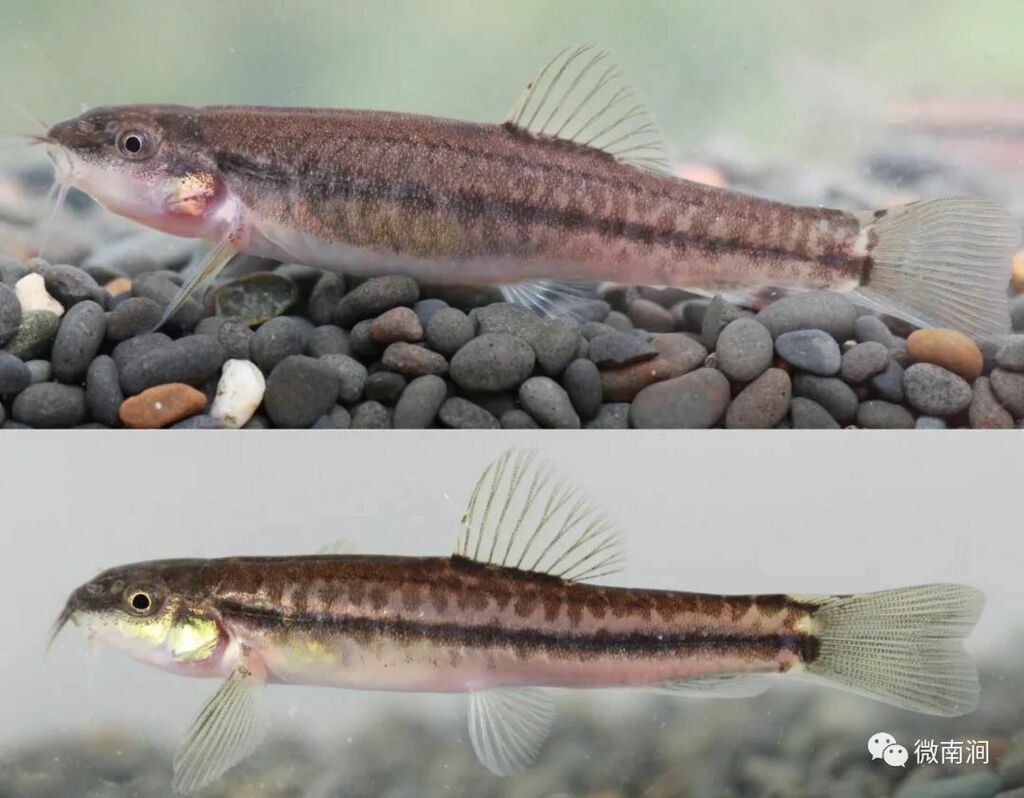
Yunnanilus brevis
Yunnanilus brevis
Out of Stock
Scarce stock
Wild Caught
Moderate care
Not Reef Safe
SKU: 01-A-34-052-01
Discover the unique charm of Yunnanilus brevis, a rare freshwater loach from Myanmar.
Pricing for Verified Importers
Log in to see wholesale prices and order.
Export Size
up to 7.0 cm
Origin
Southeast Asia
Temperature
20.0–25.0°C
Min. Tank Size
50 L
pH
6.50–7.50
Diet
omnivore
Yunnanilus brevis, commonly known as the Inle loach, is a fascinating freshwater fish native to Inle Lake and the He-Ho Plain in Myanmar's Southern Shan States. This species is notable for its adaptive nature, thriving in still and slow-moving waters characterized by dense vegetation. The Inle loach is a demersal species, often found at the bottom of its habitat, where it forages among the substrate for food. Its unique ecological niche makes it a vital component of its environment, contributing to the aquatic biodiversity of the region.
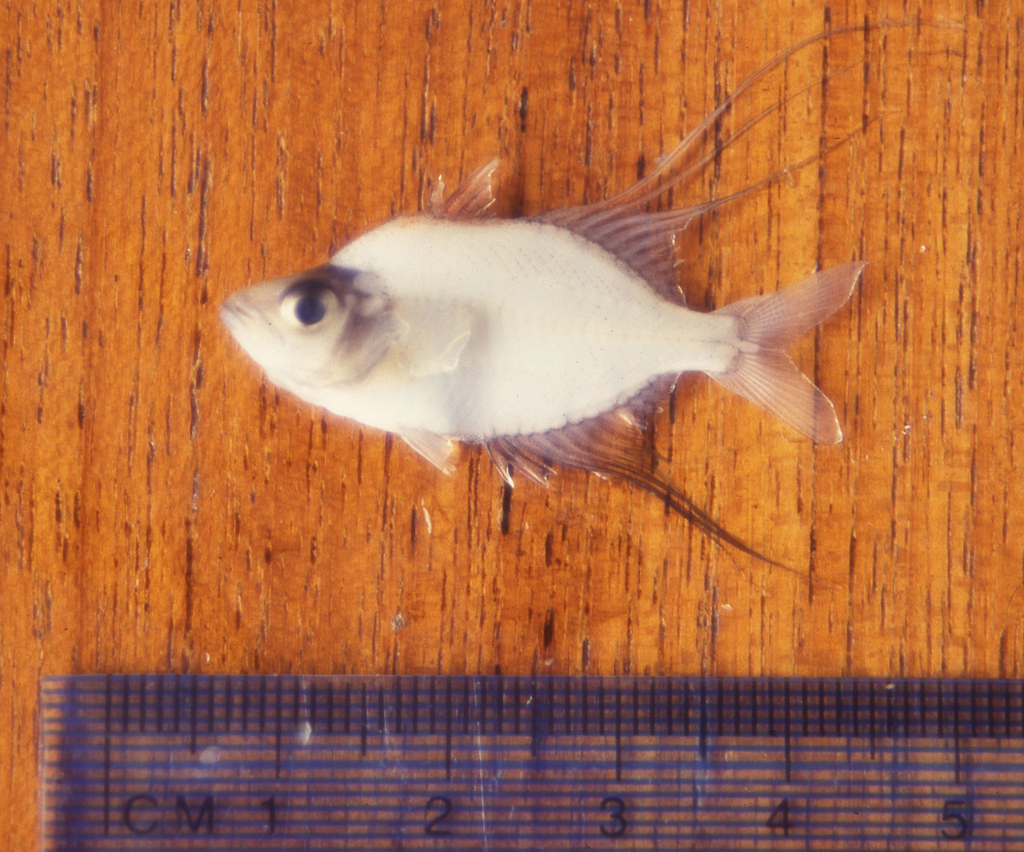
In terms of appearance, Yunnanilus brevis showcases an elongated body with a somewhat flattened head, which aids in its bottom-dwelling lifestyle. The coloration ranges from light to dark brown, often with mottled patterns that provide camouflage against the sandy and vegetative substrate of its habitat. Adult individuals can grow to a maximum size of approximately 7 cm, making them suitable for various aquarium settings, particularly in community tanks that mimic their natural environment.
Behaviorally, Yunnanilus brevis is known for its peaceful temperament, often seen foraging in groups. They exhibit interesting social behaviors, displaying a degree of interaction with their surroundings and other species. This loach thrives in environments that offer plenty of hiding spots and plants, reflecting its natural habitat where it seeks refuge from potential predators. Their gentle nature makes them ideal candidates for community aquariums, where they can coexist harmoniously with other small, non-aggressive fish.
Inle loaches are not just a beautiful addition to aquariums; they also play a crucial role in maintaining the ecological balance of their native waters, feeding on detritus and small invertebrates. Their unique adaptations and behaviors make them an intriguing species for aquarists seeking to create a biotope aquarium that reflects the biodiversity of Southeast Asian freshwater ecosystems.
In terms of appearance, Yunnanilus brevis showcases an elongated body with a somewhat flattened head, which aids in its bottom-dwelling lifestyle. The coloration ranges from light to dark brown, often with mottled patterns that provide camouflage against the sandy and vegetative substrate of its habitat. Adult individuals can grow to a maximum size of approximately 7 cm, making them suitable for various aquarium settings, particularly in community tanks that mimic their natural environment.
Behaviorally, Yunnanilus brevis is known for its peaceful temperament, often seen foraging in groups. They exhibit interesting social behaviors, displaying a degree of interaction with their surroundings and other species. This loach thrives in environments that offer plenty of hiding spots and plants, reflecting its natural habitat where it seeks refuge from potential predators. Their gentle nature makes them ideal candidates for community aquariums, where they can coexist harmoniously with other small, non-aggressive fish.
Inle loaches are not just a beautiful addition to aquariums; they also play a crucial role in maintaining the ecological balance of their native waters, feeding on detritus and small invertebrates. Their unique adaptations and behaviors make them an intriguing species for aquarists seeking to create a biotope aquarium that reflects the biodiversity of Southeast Asian freshwater ecosystems.
When caring for Yunnanilus brevis, it's essential to replicate their natural habitat to ensure their health and well-being. The optimal water parameters include a temperature range of 20-25°C, a pH level between 6.5 and 7.5, and a soft to moderately hard water composition. Regular water changes and maintaining stable water conditions are crucial for this species, as they are sensitive to fluctuations.
Feeding Yunnanilus brevis involves providing a varied diet that includes high-quality sinking pellets, live or frozen foods such as bloodworms, and finely chopped vegetables. This omnivorous fish appreciates a balanced diet that mimics its natural foraging habits. Compatibility-wise, they are peaceful and do well with other small, non-aggressive species, making them an excellent addition to community tanks.
Acclimation is vital when introducing Yunnanilus brevis to a new environment. Use a slow drip method to help them adjust to the new water conditions gradually. It's advisable to quarantine new arrivals for at least two weeks to monitor for any signs of disease before adding them to your main aquarium. Providing hiding spots and plants in the tank will help them feel secure and reduce stress, promoting their overall health.
Feeding Yunnanilus brevis involves providing a varied diet that includes high-quality sinking pellets, live or frozen foods such as bloodworms, and finely chopped vegetables. This omnivorous fish appreciates a balanced diet that mimics its natural foraging habits. Compatibility-wise, they are peaceful and do well with other small, non-aggressive species, making them an excellent addition to community tanks.
Acclimation is vital when introducing Yunnanilus brevis to a new environment. Use a slow drip method to help them adjust to the new water conditions gradually. It's advisable to quarantine new arrivals for at least two weeks to monitor for any signs of disease before adding them to your main aquarium. Providing hiding spots and plants in the tank will help them feel secure and reduce stress, promoting their overall health.
Yunnanilus brevis is suitable for shipping, provided proper care is taken to minimize stress during transport. Use insulated boxes and ensure a packing density that allows for adequate oxygen levels. Maintain a shipping temperature between 20-25°C, as they are sensitive to extreme temperatures. This species is not listed under CITES, making export regulations more straightforward for wholesalers.
Species Parameters
Max Adult Size
7.0 cm
Origin
Southeast Asia
Diet
omnivore
Temp Min
20.0 °C
Temp Max
25.0 °C
pH Min
6.50
pH Max
7.50
Min Tank
50 L