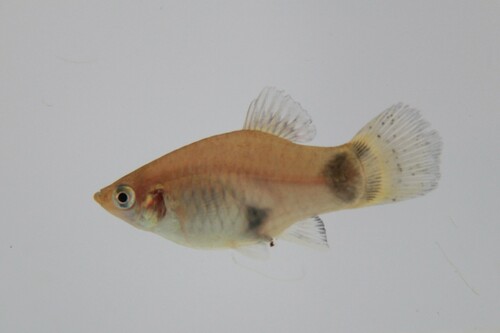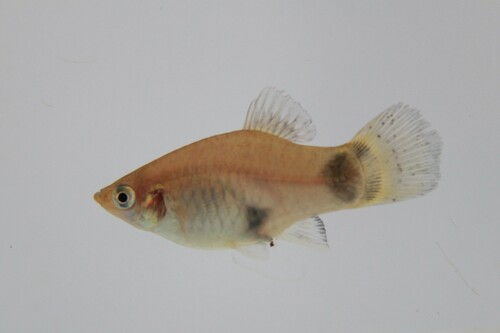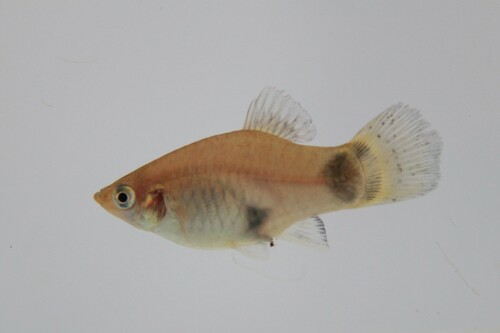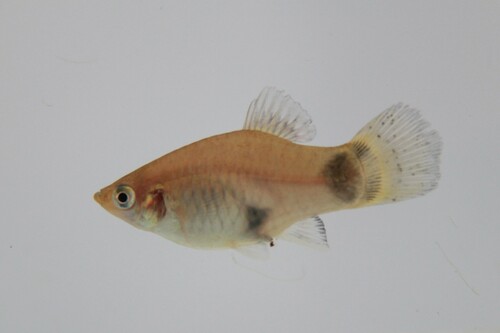
Grade A Yellow Variatus Hi Fin Platy (Male)
Xiphophorus maculatus
In Stock
Common stock
Wild Caught
Easy care
Not Reef Safe
SKU: 01-A-22-077-09
Discover the vibrant Grade A Yellow Variatus Hi Fin Platy, a stunning freshwater livebearer.
Pricing for Verified Importers
Log in to see wholesale prices and order.
Export Size
up to 6.0 cm
Origin
North and Central America
Temperature
24.0–28.0°C
Min. Tank Size
40 L
pH
6.80–8.50
Diet
omnivore
The Grade A Yellow Variatus Hi Fin Platy (Xiphophorus maculatus) is a striking freshwater fish belonging to the Poeciliidae family. This species is known for its bright yellow coloration and distinctive high fin, making it a popular choice among aquarists and a delightful addition to community tanks. Native to North and Central America, the platyfish thrives in slow-moving waters, such as rivers and streams, where vegetation provides shelter and breeding grounds.
In terms of appearance, males typically display a more vibrant coloration compared to females, with the Grade A variant showcasing a vivid yellow hue complemented by a sleek, elongated body shape. Their high dorsal fins add to their visual appeal, making them a captivating sight in any aquarium. Behaviorally, platies are social creatures that enjoy swimming in groups and exhibit a peaceful temperament, making them suitable for community tanks with other non-aggressive species.
Platies are livebearers, meaning they give birth to free-swimming young rather than laying eggs. This reproductive strategy contributes to their popularity in the aquarium trade, as hobbyists can easily breed them in captivity. In the wild, they inhabit freshwater environments rich in plants, where they find food and protection from predators. Their adaptability to various water conditions further enhances their appeal to aquarists.
Overall, the Grade A Yellow Variatus Hi Fin Platy is not only visually stunning but also an engaging species that adds life and color to any aquarium setup. Their hardiness and ease of care make them an excellent choice for both beginner and experienced aquarists alike.
In terms of appearance, males typically display a more vibrant coloration compared to females, with the Grade A variant showcasing a vivid yellow hue complemented by a sleek, elongated body shape. Their high dorsal fins add to their visual appeal, making them a captivating sight in any aquarium. Behaviorally, platies are social creatures that enjoy swimming in groups and exhibit a peaceful temperament, making them suitable for community tanks with other non-aggressive species.
Platies are livebearers, meaning they give birth to free-swimming young rather than laying eggs. This reproductive strategy contributes to their popularity in the aquarium trade, as hobbyists can easily breed them in captivity. In the wild, they inhabit freshwater environments rich in plants, where they find food and protection from predators. Their adaptability to various water conditions further enhances their appeal to aquarists.
Overall, the Grade A Yellow Variatus Hi Fin Platy is not only visually stunning but also an engaging species that adds life and color to any aquarium setup. Their hardiness and ease of care make them an excellent choice for both beginner and experienced aquarists alike.
To ensure the health and vitality of the Grade A Yellow Variatus Hi Fin Platy, it is important to maintain specific water parameters. The ideal temperature range for this species is between 24°C and 28°C, with a pH level between 6.8 and 8.5. As a freshwater fish, salinity levels should be kept at 0 ppt. A minimum tank size of 40 liters is recommended to provide ample swimming space and encourage natural behavior.
Feeding these platies is straightforward; they are omnivorous and thrive on a varied diet that includes high-quality flake food, frozen or live foods like brine shrimp and daphnia, and plant matter. Regular feeding, two to three times a day, will help keep them healthy and vibrant. Compatibility with other species is high, as platies are peaceful and can coexist with various community fish such as tetras, guppies, and corydoras.
When introducing platies to a new aquarium, acclimation is key. Slowly acclimate them by floating the sealed bag in the tank for about 15 minutes, then gradually mix tank water into the bag over the next hour before releasing them. Additionally, a quarantine period of at least two weeks is advisable to ensure they are free from diseases before adding them to the main tank, promoting a healthy and thriving aquatic environment.
Feeding these platies is straightforward; they are omnivorous and thrive on a varied diet that includes high-quality flake food, frozen or live foods like brine shrimp and daphnia, and plant matter. Regular feeding, two to three times a day, will help keep them healthy and vibrant. Compatibility with other species is high, as platies are peaceful and can coexist with various community fish such as tetras, guppies, and corydoras.
When introducing platies to a new aquarium, acclimation is key. Slowly acclimate them by floating the sealed bag in the tank for about 15 minutes, then gradually mix tank water into the bag over the next hour before releasing them. Additionally, a quarantine period of at least two weeks is advisable to ensure they are free from diseases before adding them to the main tank, promoting a healthy and thriving aquatic environment.
Shipping Grade A Yellow Variatus Hi Fin Platies requires careful consideration of their needs. They are sensitive to temperature fluctuations, so it is crucial to maintain stable conditions during transport, ideally between 24°C and 28°C. Packing density should be moderate to ensure adequate oxygen levels, with a focus on minimizing stress. These fish are not listed under CITES, simplifying export regulations.
Species Parameters
Max Adult Size
6.0 cm
Origin
North and Central America
Diet
omnivore
Temp Min
24.0 °C
Temp Max
28.0 °C
pH Min
6.80
pH Max
8.50
Min Tank
40 L