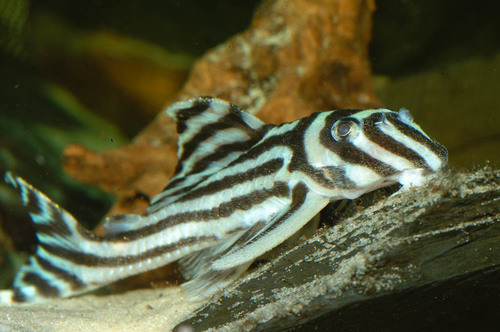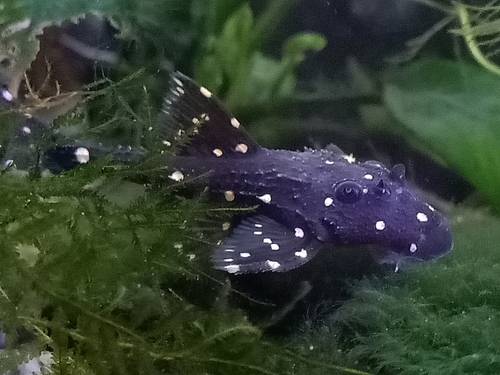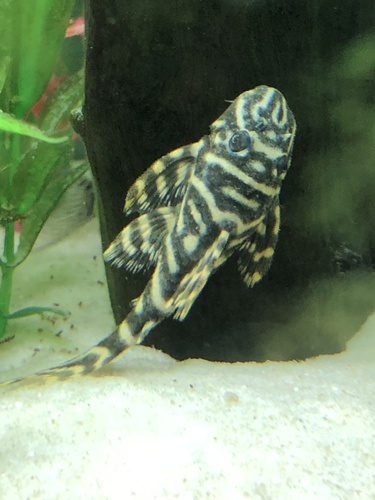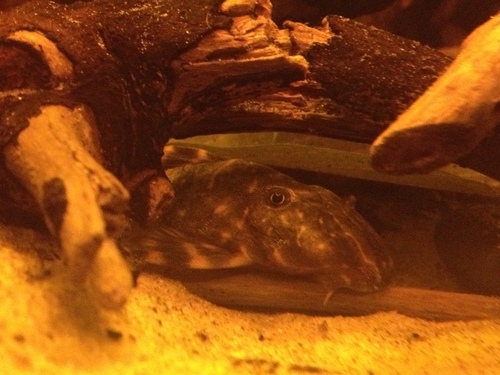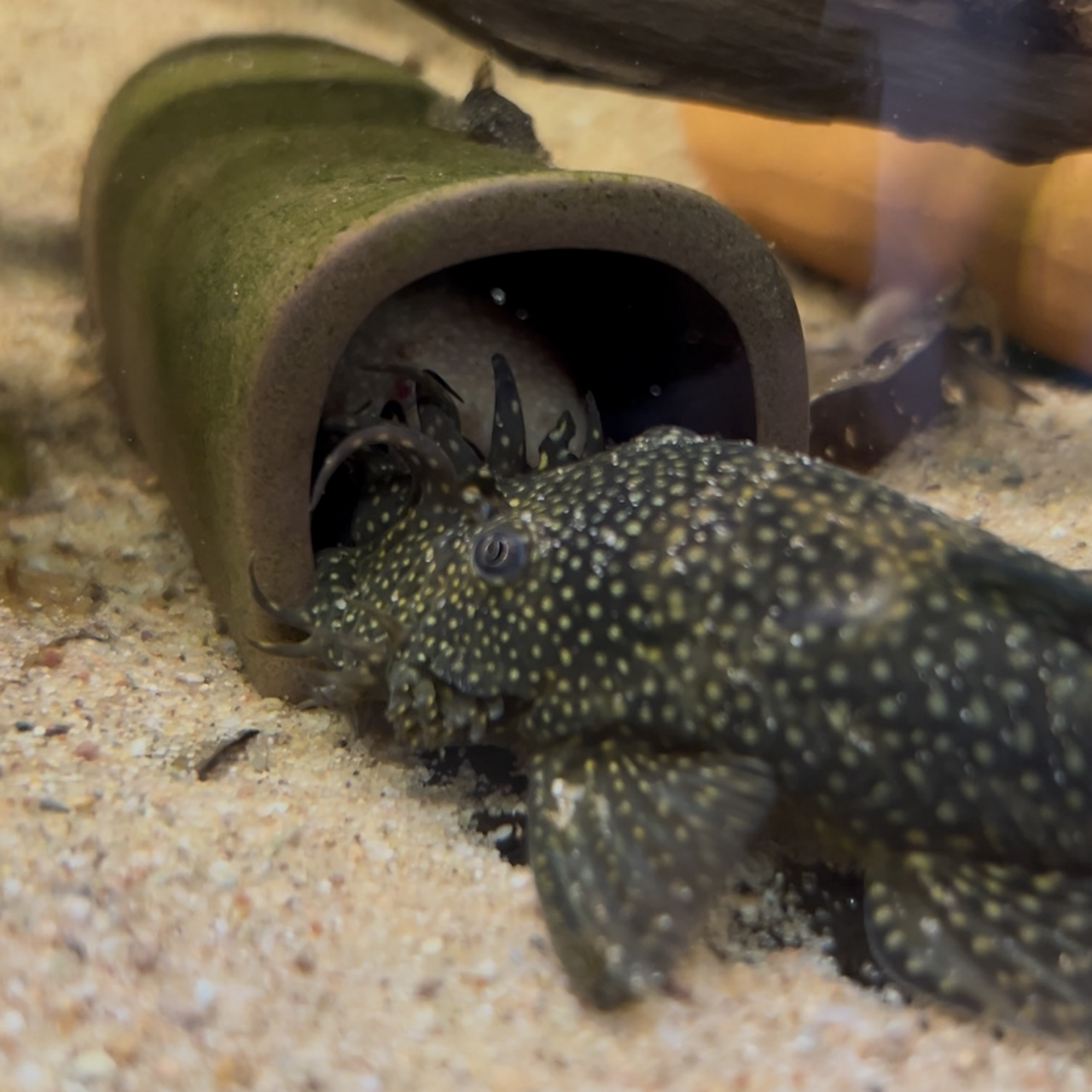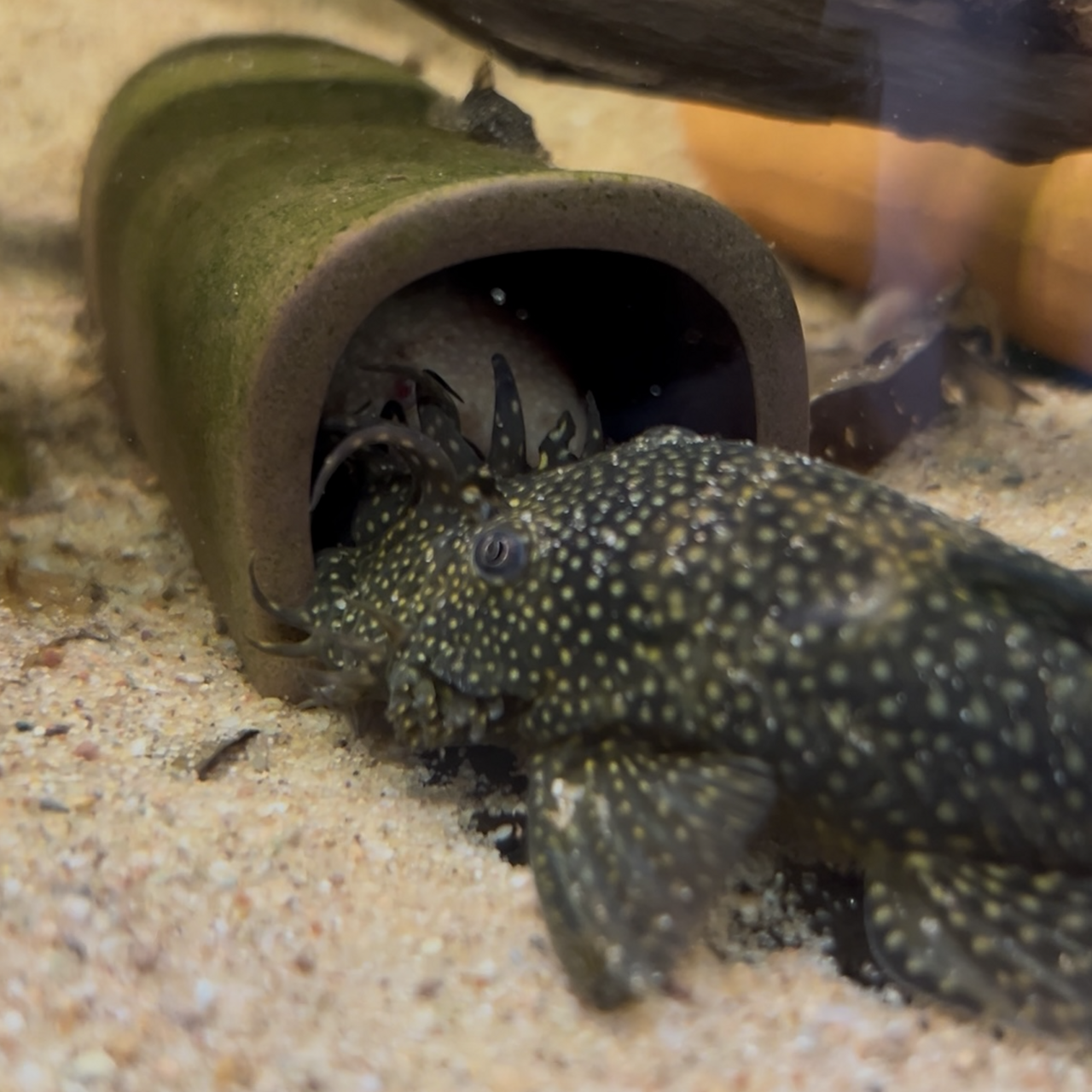
Ancistrus Albino sp.
Ancistrus albino sp.
In Stock
Common stock
Wild Caught
Moderate care
Not Reef Safe
SKU: 01-A-10-002-04
The Ancistrus Albino sp. is a unique freshwater fish, prized for its striking color and algae-eating capabilities.
Pricing for Verified Importers
Log in to see wholesale prices and order.
Export Size
up to 15.0 cm
Origin
Southeast Asia
Temperature
22.0–28.0°C
Min. Tank Size
100 L
pH
6.50–7.50
Diet
herbivore
The Ancistrus Albino sp., commonly known as the albino bristlenose pleco, is a captivating freshwater species native to the river systems of South America. This variant of the Ancistrus genus is easily recognizable due to its striking white body and bright red or orange eyes. The albino coloration is a result of a genetic mutation, making it a visually captivating addition to any aquarium setup. They can grow to a maximum size of around 10 to 15 centimeters, making them suitable for both small and large aquariums alike.
In terms of natural history, these fish are primarily found in slow-moving rivers and streams, where they inhabit rocky crevices and submerged wood. Their natural diet primarily consists of algae, making them excellent algae eaters in captivity, helping to maintain a clean tank environment. Ancistrus Albino sp. exhibit a peaceful temperament and are generally compatible with other community fish, although care should be taken when introducing them to aggressive species.
Behaviorally, the Ancistrus Albino is a nocturnal species, becoming most active during the night when they forage for food. During the day, they tend to hide among rocks or in hiding spots created by decorations in the aquarium. Their distinctive bristles, which develop on mature males, serve as a secondary sexual characteristic and are used during breeding rituals to attract females.
This species thrives in well-planted tanks that mimic their natural habitat. Providing driftwood and caves enhances their comfort and encourages natural behaviors, such as grazing and hiding. The Ancistrus Albino is a hardy species, making it suitable for both novice and experienced aquarists looking to add diversity to their freshwater setups.
In terms of natural history, these fish are primarily found in slow-moving rivers and streams, where they inhabit rocky crevices and submerged wood. Their natural diet primarily consists of algae, making them excellent algae eaters in captivity, helping to maintain a clean tank environment. Ancistrus Albino sp. exhibit a peaceful temperament and are generally compatible with other community fish, although care should be taken when introducing them to aggressive species.
Behaviorally, the Ancistrus Albino is a nocturnal species, becoming most active during the night when they forage for food. During the day, they tend to hide among rocks or in hiding spots created by decorations in the aquarium. Their distinctive bristles, which develop on mature males, serve as a secondary sexual characteristic and are used during breeding rituals to attract females.
This species thrives in well-planted tanks that mimic their natural habitat. Providing driftwood and caves enhances their comfort and encourages natural behaviors, such as grazing and hiding. The Ancistrus Albino is a hardy species, making it suitable for both novice and experienced aquarists looking to add diversity to their freshwater setups.
When caring for Ancistrus Albino sp., maintaining optimal water parameters is crucial for their health and well-being. The ideal temperature range for these fish is between 22°C to 28°C, with a pH level between 6.5 and 7.5. Regular water changes and good filtration are recommended to keep the water clean and well-oxygenated.
Feeding should consist of a mixed diet, including high-quality algae wafers, fresh vegetables like zucchini or cucumber, and occasional protein sources such as sinking pellets. It is important to ensure that their diet is balanced to maintain their health and coloration.
In terms of compatibility, Ancistrus Albino sp. are peaceful and can be kept with a variety of community fish, but care should be taken with larger or more aggressive species. Acclimation should be done slowly to minimize stress; it is advisable to float the sealed bag in the aquarium for about 15 minutes before gradually introducing the fish into the tank. Quarantining new arrivals for 2-4 weeks is also a good practice to prevent any potential disease transmission to existing tank inhabitants.
Feeding should consist of a mixed diet, including high-quality algae wafers, fresh vegetables like zucchini or cucumber, and occasional protein sources such as sinking pellets. It is important to ensure that their diet is balanced to maintain their health and coloration.
In terms of compatibility, Ancistrus Albino sp. are peaceful and can be kept with a variety of community fish, but care should be taken with larger or more aggressive species. Acclimation should be done slowly to minimize stress; it is advisable to float the sealed bag in the aquarium for about 15 minutes before gradually introducing the fish into the tank. Quarantining new arrivals for 2-4 weeks is also a good practice to prevent any potential disease transmission to existing tank inhabitants.
Ancistrus Albino sp. are suitable for shipping due to their hardiness. It is recommended to pack them in insulated bags with ample oxygen and minimal water to prevent movement during transit. The ideal shipping temperature should be maintained between 22°C and 26°C. Ensure that shipping complies with local CITES regulations, although this species is not currently listed under CITES restrictions.
Species Parameters
Max Adult Size
15.0 cm
Origin
Southeast Asia
Diet
herbivore
Temp Min
22.0 °C
Temp Max
28.0 °C
pH Min
6.50
pH Max
7.50
Min Tank
100 L