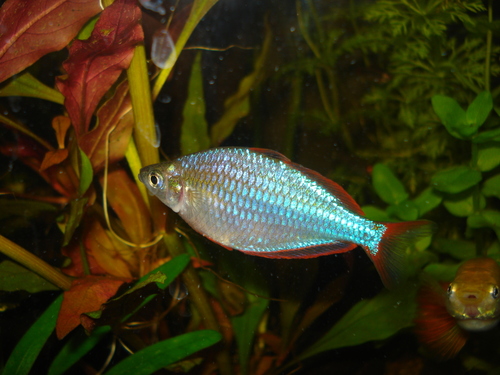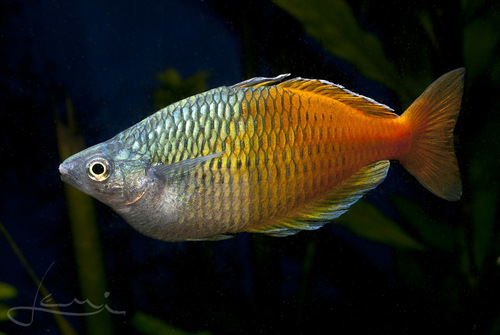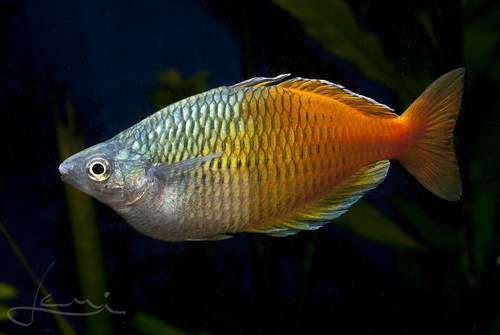
Garra rufa
Garra rufa
In Stock
Common stock
Wild Caught
Moderate care
Not Reef Safe
SKU: 01-A-15-053-04
Garra rufa, known as the doctor fish, is famed for its unique skin exfoliation therapy.
Pricing for Verified Importers
Log in to see wholesale prices and order.
Export Size
up to 15.0 cm
Origin
Southeast Asia
Temperature
24.0–28.0°C
Min. Tank Size
100 L
pH
6.50–7.50
Diet
herbivore
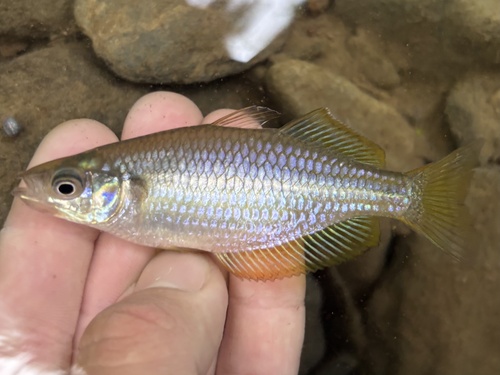
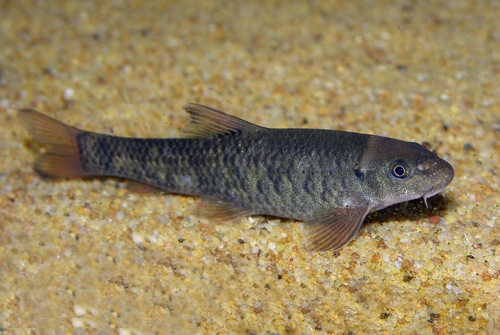
Garra rufa, commonly referred to as the doctor fish, is a freshwater species native to the rivers and lakes of Turkey and parts of the Middle East. This species is renowned for its unique behavior of feeding on dead skin, making it a popular choice in spa treatments for skin exfoliation. With their slender bodies and vibrant coloration, these fish typically exhibit a golden-brown hue with darker speckles, making them visually appealing for both commercial and recreational aquariums.
In their natural habitat, Garra rufa thrive in warm, shallow waters with a sandy or gravel substrate, often found amongst aquatic vegetation. They are social creatures that prefer to swim in groups, displaying a range of behaviors from foraging to interacting with one another. Their peaceful nature and adaptability allow them to coexist with various other freshwater species, which is beneficial for community tanks.
As a species, Garra rufa is particularly interesting due to their unique feeding habits. They primarily feed on algae and organic debris in their natural environment, but their proclivity for eating skin cells has earned them the nickname 'doctor fish.' This behavior not only helps maintain their health but has also sparked a trend in wellness and spa industries worldwide, where they are employed for therapeutic treatments.
Garra rufa are also known for their resilience and adaptability to different environmental conditions, making them suitable for aquaculture and aquarium trade. Their striking appearance and unique behavior make them a sought-after species for both hobbyists and commercial exporters, particularly in regions like Bali, Indonesia, where they can be sustainably harvested and exported to international markets.
In their natural habitat, Garra rufa thrive in warm, shallow waters with a sandy or gravel substrate, often found amongst aquatic vegetation. They are social creatures that prefer to swim in groups, displaying a range of behaviors from foraging to interacting with one another. Their peaceful nature and adaptability allow them to coexist with various other freshwater species, which is beneficial for community tanks.
As a species, Garra rufa is particularly interesting due to their unique feeding habits. They primarily feed on algae and organic debris in their natural environment, but their proclivity for eating skin cells has earned them the nickname 'doctor fish.' This behavior not only helps maintain their health but has also sparked a trend in wellness and spa industries worldwide, where they are employed for therapeutic treatments.
Garra rufa are also known for their resilience and adaptability to different environmental conditions, making them suitable for aquaculture and aquarium trade. Their striking appearance and unique behavior make them a sought-after species for both hobbyists and commercial exporters, particularly in regions like Bali, Indonesia, where they can be sustainably harvested and exported to international markets.
When importing Garra rufa, it's crucial to maintain optimal water parameters for their health and well-being. The recommended temperature range for these fish is between 24°C and 28°C, with a pH level between 6.5 and 7.5. Maintaining clean, well-filtered water is essential, as they thrive in stable environments with low levels of ammonia and nitrites.
Feeding Garra rufa is relatively straightforward; they are primarily herbivorous and enjoy a diet rich in algae, supplemented with high-quality flake foods and sinking pellets designed for bottom feeders. It's essential to provide a varied diet to ensure their nutritional needs are met. Compatibility with other species is favorable, as they are peaceful; however, care should be taken to avoid larger, aggressive fish that may harass them.
Acclimating Garra rufa requires a gradual introduction to their new environment. Begin by floating the sealed bag in the aquarium for about 15 minutes to equalize the temperature, followed by slowly mixing water from the tank into the bag over the next hour. Quarantine new arrivals for at least two weeks to monitor for any signs of disease before introducing them into a community tank. This practice helps prevent the spread of pathogens and ensures a healthy aquarium ecosystem.
Feeding Garra rufa is relatively straightforward; they are primarily herbivorous and enjoy a diet rich in algae, supplemented with high-quality flake foods and sinking pellets designed for bottom feeders. It's essential to provide a varied diet to ensure their nutritional needs are met. Compatibility with other species is favorable, as they are peaceful; however, care should be taken to avoid larger, aggressive fish that may harass them.
Acclimating Garra rufa requires a gradual introduction to their new environment. Begin by floating the sealed bag in the aquarium for about 15 minutes to equalize the temperature, followed by slowly mixing water from the tank into the bag over the next hour. Quarantine new arrivals for at least two weeks to monitor for any signs of disease before introducing them into a community tank. This practice helps prevent the spread of pathogens and ensures a healthy aquarium ecosystem.
Garra rufa are relatively hardy during shipping, but it is vital to maintain appropriate packing density to minimize stress. Optimal shipping temperatures should be maintained between 24°C and 28°C, as they are sensitive to extreme temperature fluctuations. Proper oxygenation and insulation during transit are crucial for their survival. Currently, Garra rufa is not listed under CITES, which facilitates smoother export processes.
Species Parameters
Max Adult Size
15.0 cm
Origin
Southeast Asia
Diet
herbivore
Temp Min
24.0 °C
Temp Max
28.0 °C
pH Min
6.50
pH Max
7.50
Min Tank
100 L