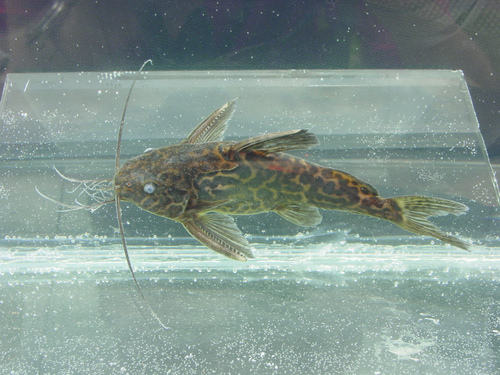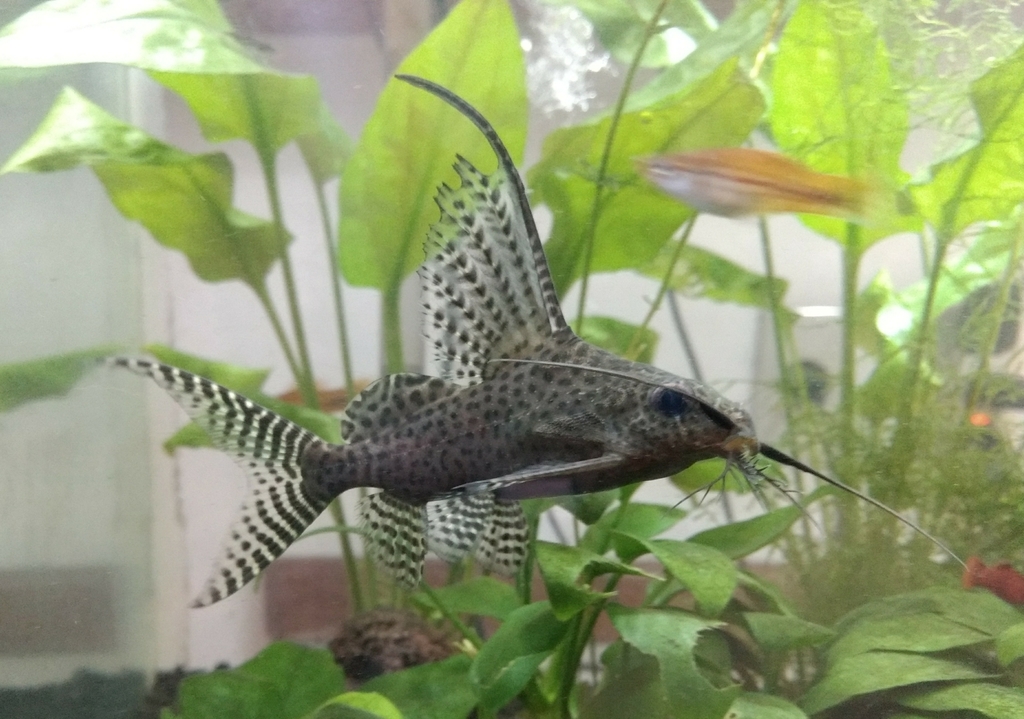
Synodontis valentiana
Synodontis valentiana
In Stock
Common stock
Wild Caught
Moderate care
Not Reef Safe
SKU: 01-A-09-025-01
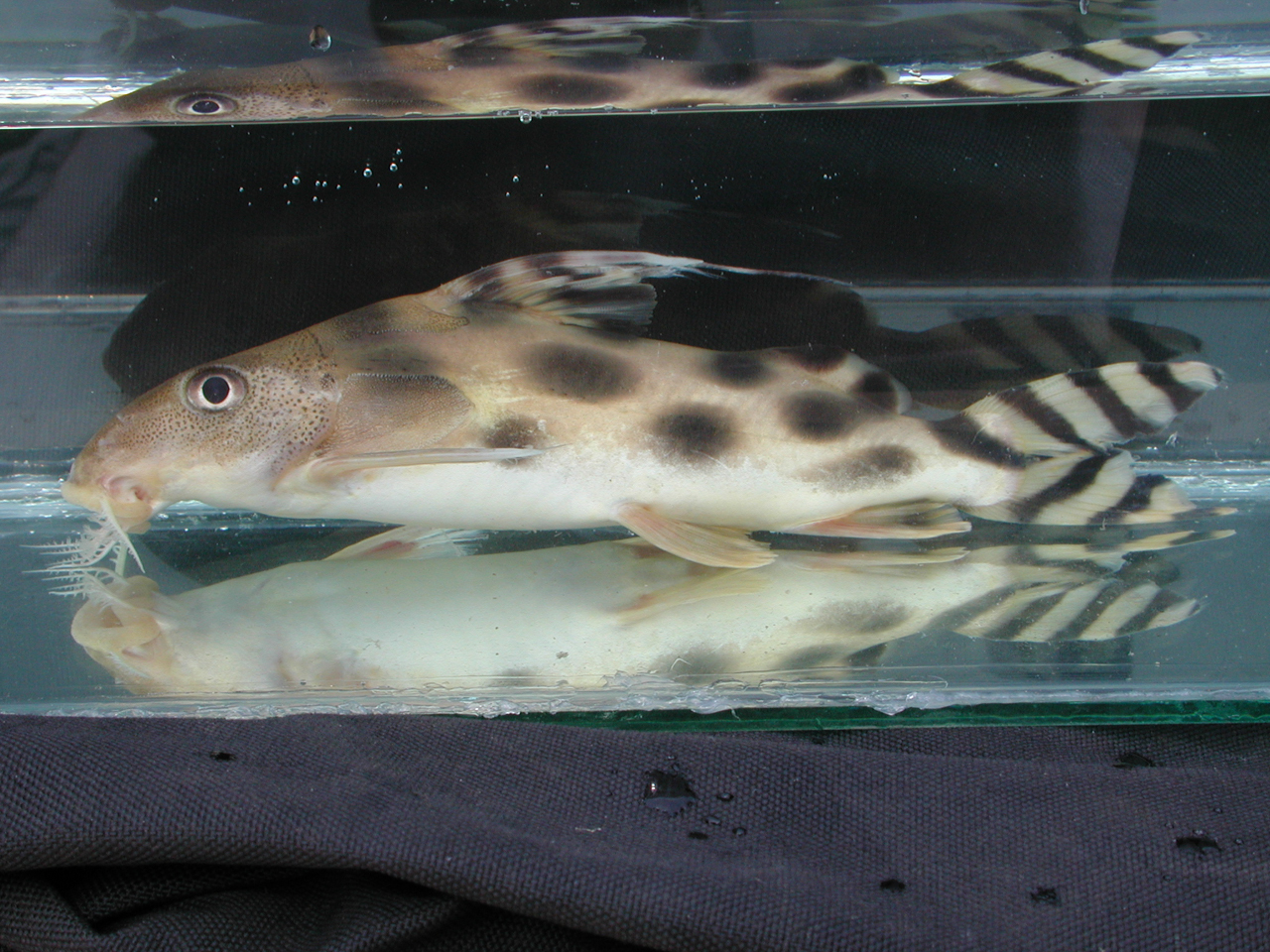
Discover the unique beauty of Synodontis valentiana, a striking freshwater fish from Indonesia.
Pricing for Verified Importers
Log in to see wholesale prices and order.
Export Size
up to 15.0 cm
Origin
Southeast Asia
Temperature
24.0–28.0°C
Min. Tank Size
100 L
pH
6.50–7.50
Diet
omnivore
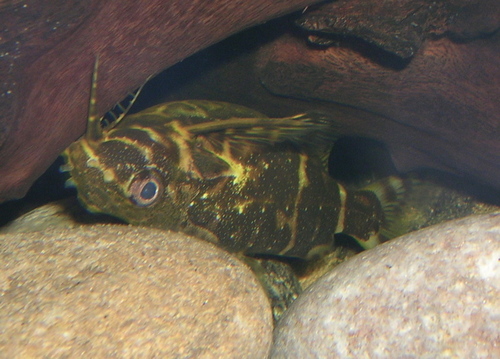
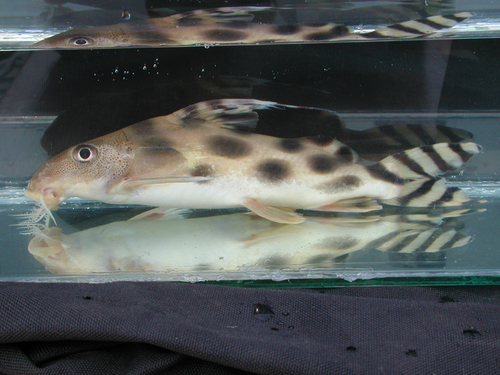
Synodontis valentiana, commonly known as Valentian catfish, is a captivating freshwater species native to the lakes and rivers of Southeast Asia. This species is characterized by its elongated body, adorned with intricate patterns of spots and stripes that provide excellent camouflage in its natural habitat. Adult Valentian catfish can reach lengths of up to 15 cm, showcasing a beautiful blend of colors that range from dark brown to pale yellow, making it an attractive addition to any aquarium.
In terms of behavior, Synodontis valentiana is a peaceful species that thrives in social environments. They are known to be nocturnal, primarily active during the night when they hunt for food. Their unique barbels help them navigate and forage in the substrate, where they primarily feed on small invertebrates and detritus. This species also displays interesting social behaviors, often seen interacting with other fish in the community tank setting.
Valentian catfish inhabit slow-moving waters with plenty of vegetation, providing shelter and food sources. In the wild, they can be found in both shallow and deeper areas, often hiding among rocks and plants. Replicating these conditions in captivity is crucial for their well-being, emphasizing the importance of providing ample hiding spots and a varied environment that mimics their natural habitat.
Overall, Synodontis valentiana is not only a visually stunning species but also an engaging and interactive fish that offers aquarium enthusiasts a glimpse into the diverse aquatic life of Indonesia.
In terms of behavior, Synodontis valentiana is a peaceful species that thrives in social environments. They are known to be nocturnal, primarily active during the night when they hunt for food. Their unique barbels help them navigate and forage in the substrate, where they primarily feed on small invertebrates and detritus. This species also displays interesting social behaviors, often seen interacting with other fish in the community tank setting.
Valentian catfish inhabit slow-moving waters with plenty of vegetation, providing shelter and food sources. In the wild, they can be found in both shallow and deeper areas, often hiding among rocks and plants. Replicating these conditions in captivity is crucial for their well-being, emphasizing the importance of providing ample hiding spots and a varied environment that mimics their natural habitat.
Overall, Synodontis valentiana is not only a visually stunning species but also an engaging and interactive fish that offers aquarium enthusiasts a glimpse into the diverse aquatic life of Indonesia.
To successfully care for Synodontis valentiana, maintain a well-filtered aquarium with stable water parameters. The ideal temperature range for this species is between 24°C to 28°C, with a pH level between 6.5 and 7.5. Regular water changes are essential to keep nitrate levels low and maintain optimal health.
Feeding Synodontis valentiana is relatively straightforward, as they are omnivorous. A varied diet that includes high-quality flakes, pellets, and occasional live or frozen foods such as brine shrimp and bloodworms will ensure they receive adequate nutrition. It's essential to avoid overfeeding, as this can lead to health issues and water quality deterioration.
In terms of compatibility, Valentian catfish are generally peaceful and can be kept with a variety of freshwater species. However, avoid housing them with overly aggressive fish that may stress them. When introducing new fish, acclimate them slowly to prevent shock, and consider a quarantine period of at least two weeks to monitor for any signs of illness before adding them to the main tank.
Creating a suitable environment with plenty of hiding spots is vital for their comfort. Utilize driftwood, rocks, and live plants to establish a naturalistic setting that mimics their native habitat, promoting healthy behavior and reducing stress levels.
Feeding Synodontis valentiana is relatively straightforward, as they are omnivorous. A varied diet that includes high-quality flakes, pellets, and occasional live or frozen foods such as brine shrimp and bloodworms will ensure they receive adequate nutrition. It's essential to avoid overfeeding, as this can lead to health issues and water quality deterioration.
In terms of compatibility, Valentian catfish are generally peaceful and can be kept with a variety of freshwater species. However, avoid housing them with overly aggressive fish that may stress them. When introducing new fish, acclimate them slowly to prevent shock, and consider a quarantine period of at least two weeks to monitor for any signs of illness before adding them to the main tank.
Creating a suitable environment with plenty of hiding spots is vital for their comfort. Utilize driftwood, rocks, and live plants to establish a naturalistic setting that mimics their native habitat, promoting healthy behavior and reducing stress levels.
Synodontis valentiana is suitable for shipping, providing proper care is taken to ensure their well-being during transit. Use insulated boxes with adequate water volume to maintain water quality and minimize temperature fluctuations. The recommended packing density is one fish per liter to ensure adequate oxygen levels. Maintain temperatures between 24°C and 28°C during shipping to avoid stress. This species is not listed under CITES, simplifying export processes.
Species Parameters
Max Adult Size
15.0 cm
Origin
Southeast Asia
Diet
omnivore
Temp Min
24.0 °C
Temp Max
28.0 °C
pH Min
6.50
pH Max
7.50
Min Tank
100 L