Penguin Balloon
Thayeria obliqua.var
In Stock
Common stock
Wild Caught
Moderate care
Not Reef Safe
SKU: 01-A-11-072-02
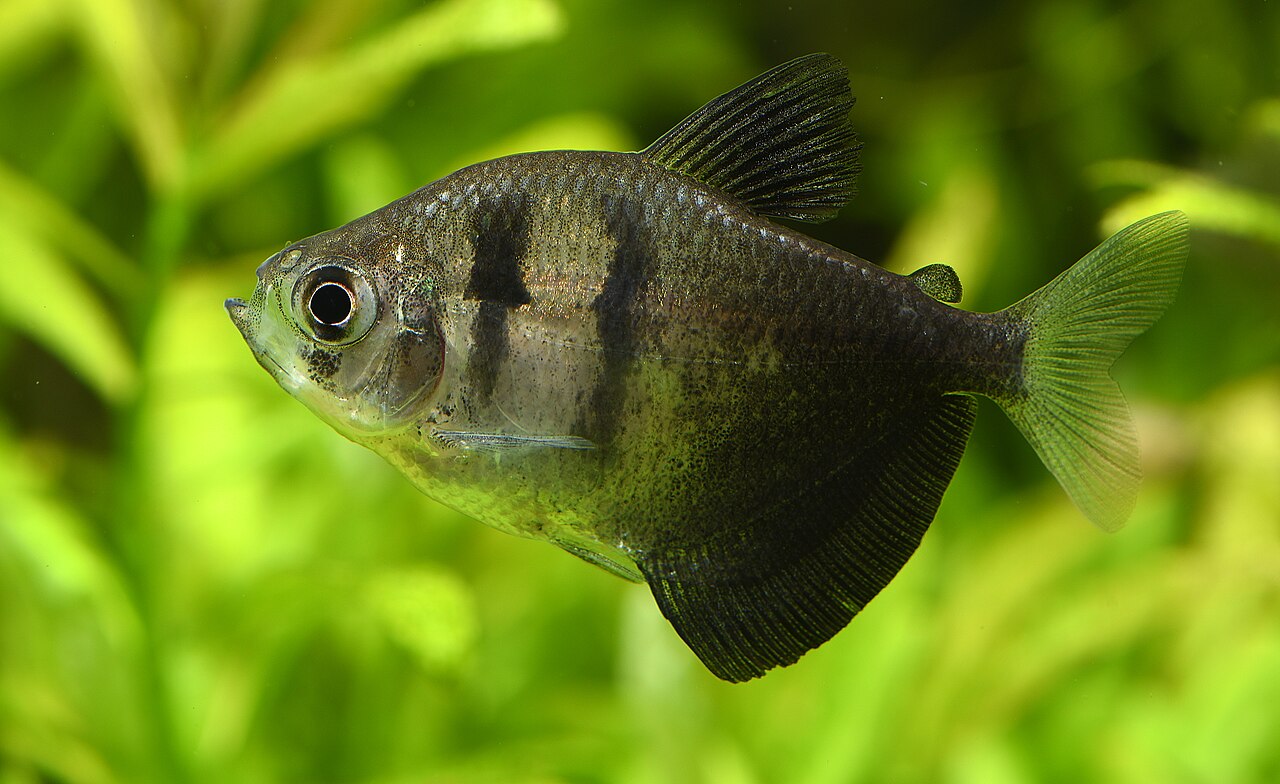
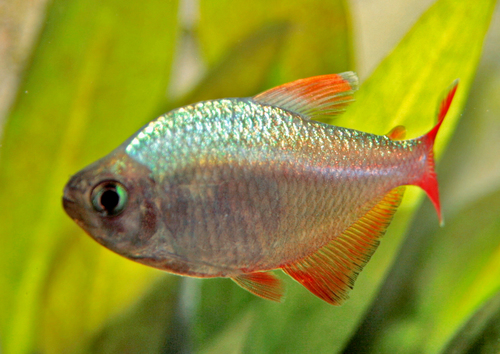
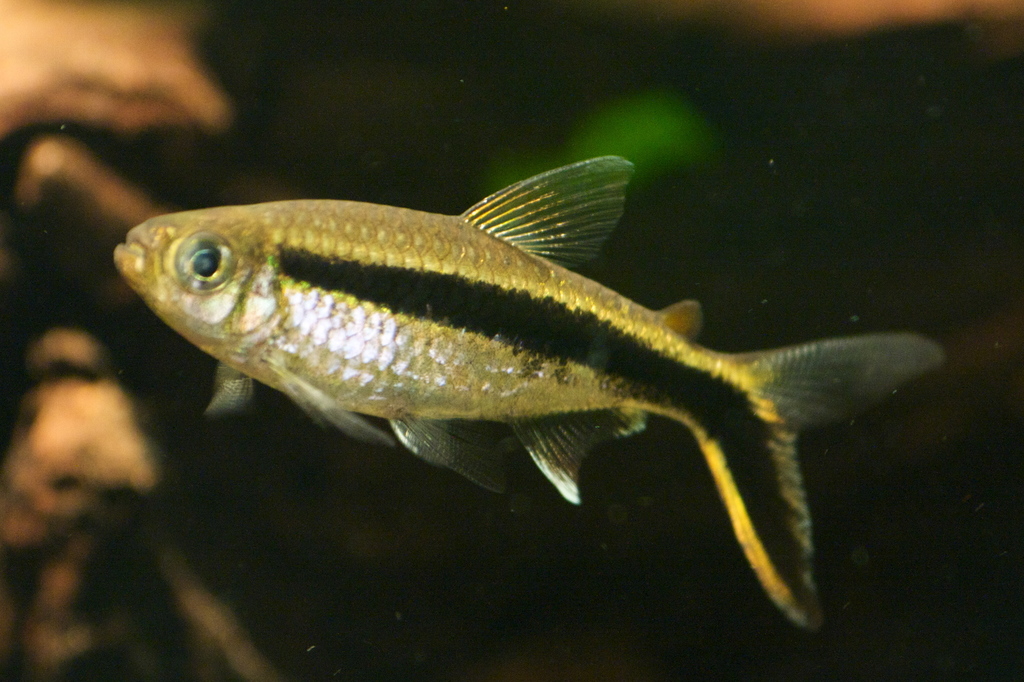
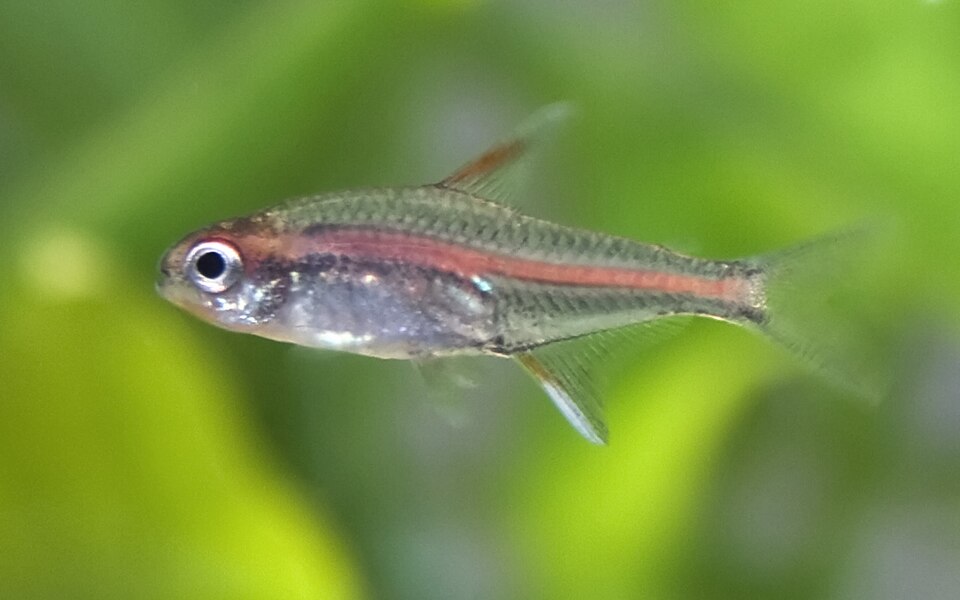
The Penguin Balloon, with its distinctive shape and lively colors, is a captivating addition to any freshwater aquarium.
Pricing for Verified Importers
Log in to see wholesale prices and order.
Export Size
up to 8.0 cm
Origin
Southeast Asia
Temperature
24.0–28.0°C
Min. Tank Size
100 L
pH
6.00–7.50
Diet
omnivore
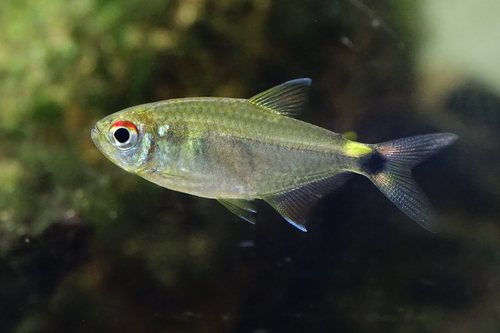
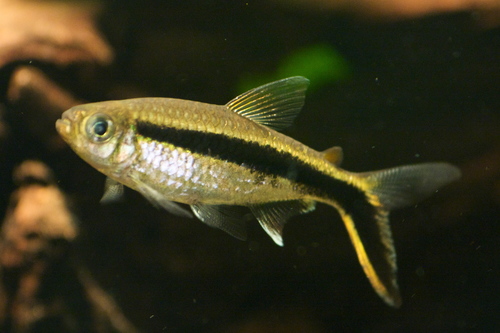
The Penguin Balloon (Thayeria obliqua.var) is a unique freshwater fish known for its striking appearance and playful behavior. Often characterized by its round, balloon-like body and vibrant coloration, this species can instantly catch the eye of aquarium enthusiasts. Its coloration typically features shades of silver and greenish hues, complemented by dark horizontal stripes that enhance its visual appeal. As a peaceful species, they are known for their sociable nature, often seen swimming in small schools, which mimics their behavior in the wild.
In their natural habitat, Penguin Balloons are found in slow-moving rivers and streams throughout Southeast Asia, particularly within the lush, biodiverse waters of Indonesia. They thrive in environments rich in vegetation, which provides shelter and breeding grounds. Their preference for well-planted tanks mimics their natural surroundings, allowing them to feel secure and display their vibrant colors. These fish are also known for their unique swimming style, often darting around playfully, making them a joy to observe.
Behaviorally, Penguin Balloons are non-aggressive and are best kept in community tanks with similar-sized species. They enjoy the company of their own kind and exhibit schooling behavior, which helps reduce stress and enhances their vibrant displays. This social aspect of their nature makes them ideal for aquarists looking to add lively and engaging fish to their setups.
Overall, the Penguin Balloon is not only a visually striking species but also a fascinating one, making it a desirable choice for aquarium importers and wholesalers looking to satisfy the demands of both beginner and experienced hobbyists alike.
In their natural habitat, Penguin Balloons are found in slow-moving rivers and streams throughout Southeast Asia, particularly within the lush, biodiverse waters of Indonesia. They thrive in environments rich in vegetation, which provides shelter and breeding grounds. Their preference for well-planted tanks mimics their natural surroundings, allowing them to feel secure and display their vibrant colors. These fish are also known for their unique swimming style, often darting around playfully, making them a joy to observe.
Behaviorally, Penguin Balloons are non-aggressive and are best kept in community tanks with similar-sized species. They enjoy the company of their own kind and exhibit schooling behavior, which helps reduce stress and enhances their vibrant displays. This social aspect of their nature makes them ideal for aquarists looking to add lively and engaging fish to their setups.
Overall, the Penguin Balloon is not only a visually striking species but also a fascinating one, making it a desirable choice for aquarium importers and wholesalers looking to satisfy the demands of both beginner and experienced hobbyists alike.
To ensure the optimal health and well-being of Penguin Balloons, it is important to maintain specific water parameters. They thrive in a temperature range of 24-28°C and prefer a pH level between 6.0 and 7.5. Soft, slightly acidic to neutral water conditions are ideal for these fish. Regular water changes and efficient filtration are essential to keep the water clean and stable, which is critical for their health.
Feeding Penguin Balloons is relatively straightforward, as they are omnivores. A balanced diet consisting of high-quality flake food, freeze-dried or frozen foods like brine shrimp and daphnia, and occasional vegetable matter will meet their nutritional needs. It is important to avoid overfeeding, which can lead to health issues.
In terms of compatibility, Penguin Balloons do well in community tanks with other peaceful species of similar size. They should be kept in groups of at least six to promote their natural schooling behavior. Acclimation should be done slowly to reduce stress, ideally over a period of several hours. A quarantine period of 2-4 weeks is recommended for new arrivals to monitor for any potential diseases before introducing them to the main tank.
Feeding Penguin Balloons is relatively straightforward, as they are omnivores. A balanced diet consisting of high-quality flake food, freeze-dried or frozen foods like brine shrimp and daphnia, and occasional vegetable matter will meet their nutritional needs. It is important to avoid overfeeding, which can lead to health issues.
In terms of compatibility, Penguin Balloons do well in community tanks with other peaceful species of similar size. They should be kept in groups of at least six to promote their natural schooling behavior. Acclimation should be done slowly to reduce stress, ideally over a period of several hours. A quarantine period of 2-4 weeks is recommended for new arrivals to monitor for any potential diseases before introducing them to the main tank.
The Penguin Balloon is suitable for shipping due to its hardy nature. When packing for shipment, a density of 1-2 fish per litre is recommended to minimize stress. They are sensitive to temperature fluctuations, so maintaining a stable temperature between 24-28°C during transit is crucial. This species is not listed under CITES, making export regulations less stringent.
Species Parameters
Max Adult Size
8.0 cm
Origin
Southeast Asia
Diet
omnivore
Temp Min
24.0 °C
Temp Max
28.0 °C
pH Min
6.00
pH Max
7.50
Min Tank
100 L