CITES App. II
Acanthastrea Green Metalic Acanthastrea Lord Green Metalic
Acanthastrea lordhowensis
In Stock
Common stock
Aquacultured
Easy care
Reef Safe ✓
SKU: CRACANacan8
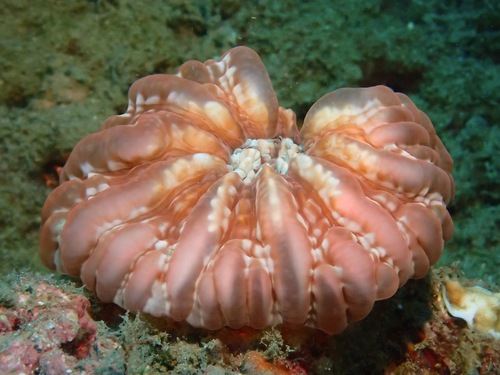
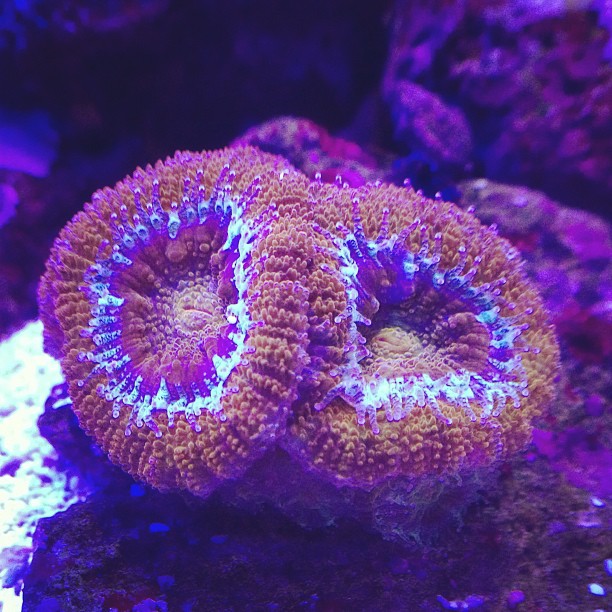
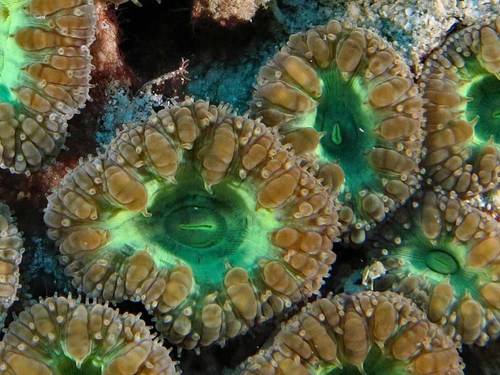
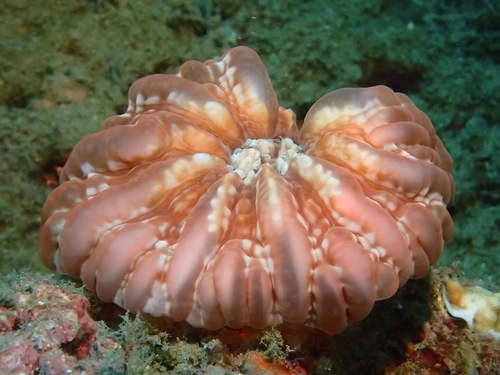
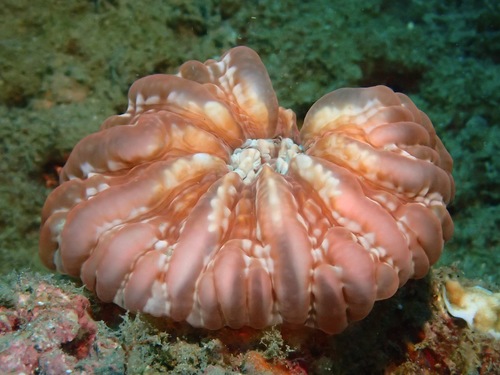
The Acanthastrea Green Metalic is a stunning coral known for its vibrant color and large polyps.
Pricing for Verified Importers
Log in to see wholesale prices and order.
Export Size
up to 20.0 cm
Origin
Indo-Pacific
Temperature
24.0–28.0°C
Min. Tank Size
100 L
Salinity
1.023–1.025 ppt
pH
8.10–8.40
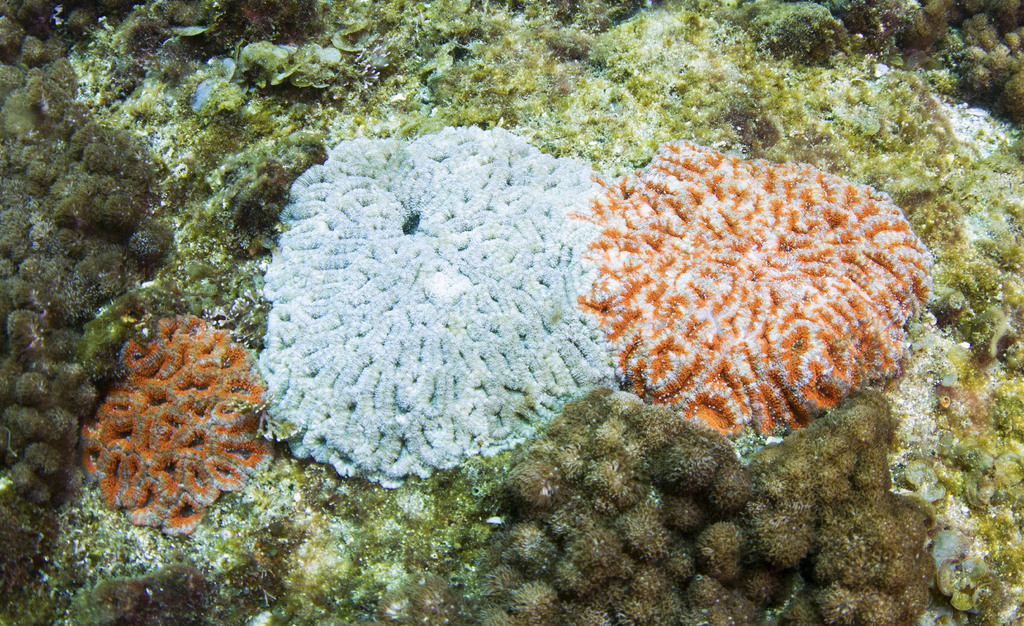
Acanthastrea lordhowensis, commonly referred to as the Acan Lord, is a captivating species of stony coral found predominantly in the shallow reefs of the Indo-Pacific Ocean. Its large, fleshy polyps exhibit a striking green metallic hue, making it a favorite among reef aquarium enthusiasts. Originally classified under the genus Acanthastrea, it was reclassified to Micromussa in 2016, reflecting its unique biological characteristics and contribution to reef biodiversity.
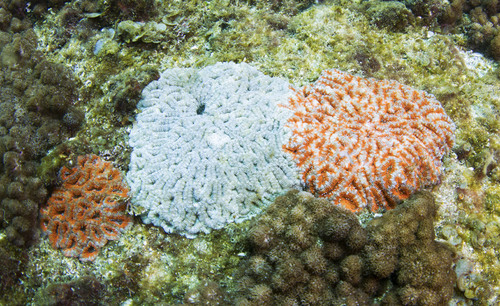
In terms of natural history, this coral thrives in warm, clear waters where it can receive ample sunlight. It typically forms colonies that can grow quite large, providing essential habitat for various marine species. The polyps of Acanthastrea lordhowensis are nocturnal feeders, extending their tentacles at night to capture plankton and other small particles from the water column, showcasing a fascinating aspect of their behavior.
Aesthetically, the Acan Lord features a distinct structure with large, fleshy polyps that can expand significantly when feeding or during the night. The vivid green coloration is due to symbiotic zooxanthellae, which not only contribute to the coral's color but also provide essential nutrients through photosynthesis. This makes the Acanthastrea a visually stunning addition to any aquarium setup.
Ecologically, Acanthastrea lordhowensis plays a vital role in reef ecosystems, contributing to the structural complexity of coral reefs and providing habitat for a variety of marine organisms. Its resilience and adaptability to different environments make it a key species in coral reef conservation efforts, emphasizing the importance of preserving these unique underwater habitats.
In terms of natural history, this coral thrives in warm, clear waters where it can receive ample sunlight. It typically forms colonies that can grow quite large, providing essential habitat for various marine species. The polyps of Acanthastrea lordhowensis are nocturnal feeders, extending their tentacles at night to capture plankton and other small particles from the water column, showcasing a fascinating aspect of their behavior.
Aesthetically, the Acan Lord features a distinct structure with large, fleshy polyps that can expand significantly when feeding or during the night. The vivid green coloration is due to symbiotic zooxanthellae, which not only contribute to the coral's color but also provide essential nutrients through photosynthesis. This makes the Acanthastrea a visually stunning addition to any aquarium setup.
Ecologically, Acanthastrea lordhowensis plays a vital role in reef ecosystems, contributing to the structural complexity of coral reefs and providing habitat for a variety of marine organisms. Its resilience and adaptability to different environments make it a key species in coral reef conservation efforts, emphasizing the importance of preserving these unique underwater habitats.
When caring for Acanthastrea lordhowensis, maintaining optimal water parameters is crucial. Ideal temperature ranges from 24°C to 28°C, with salinity levels between 1.023 and 1.025 ppt. pH should be maintained between 8.1 and 8.4. Adequate lighting is essential, but it is important to avoid direct, intense light to prevent bleaching; moderate lighting is recommended.
Feeding should be done with high-quality coral foods, including zooplankton and specially formulated coral pellets, to ensure they receive the necessary nutrients. Compatibility with other tank inhabitants is typically good, but caution should be exercised with aggressive species that may harm the coral. Acclimation to new environments should be gradual, allowing the coral to adapt to changes in water quality, temperature, and lighting.
Quarantine is advisable to prevent potential disease transmission from other corals or fish. Providing a stable environment with consistent water parameters, along with proper feeding practices, will promote healthy growth and vibrant coloration of the Acanthastrea lordhowensis.
Feeding should be done with high-quality coral foods, including zooplankton and specially formulated coral pellets, to ensure they receive the necessary nutrients. Compatibility with other tank inhabitants is typically good, but caution should be exercised with aggressive species that may harm the coral. Acclimation to new environments should be gradual, allowing the coral to adapt to changes in water quality, temperature, and lighting.
Quarantine is advisable to prevent potential disease transmission from other corals or fish. Providing a stable environment with consistent water parameters, along with proper feeding practices, will promote healthy growth and vibrant coloration of the Acanthastrea lordhowensis.
Acanthastrea lordhowensis is suitable for shipping and can be packed in damp, breathable containers to ensure moisture retention. Packing density should allow for adequate space to prevent damage during transport. This species is moderately sensitive to temperature fluctuations, so maintaining stable conditions during shipping is essential. CITES status is not applicable, making it easier for exporters and importers to manage the trade of this species.
Species Parameters
Max Adult Size
20.0 cm
Origin
Indo-Pacific
Habitat
reef
Temp Min
24.0 °C
Temp Max
28.0 °C
Salinity Min
1.023
Salinity Max
1.025
pH Min
8.10
pH Max
8.40
Min Tank
100 L