CITES App. II
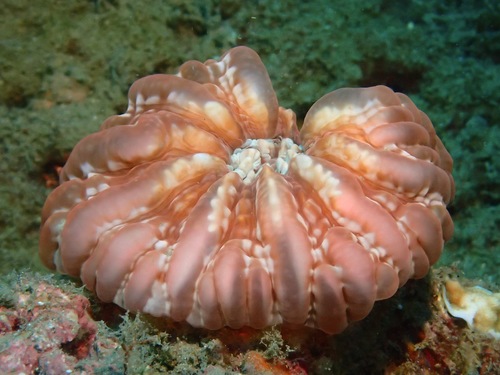
Two Colour Big Polyp Blastomussa Cora
Blastomussa wellsi
In Stock
Common stock
Aquacultured
Experienced care
Reef Safe ✓
SKU: ML-HC-0032
Stunning colors and large polyps make Blastomussa wellsi a must-have for coral enthusiasts.
Pricing for Verified Importers
Log in to see wholesale prices and order.
Export Size
up to 15.0 cm
Origin
Indo-Pacific
Temperature
24.0–28.0°C
Min. Tank Size
100 L
Salinity
1.023–1.025 ppt
pH
8.10–8.40
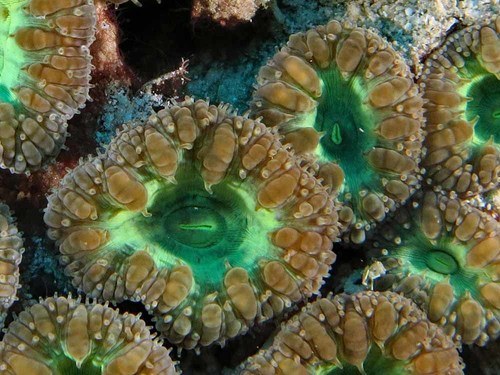
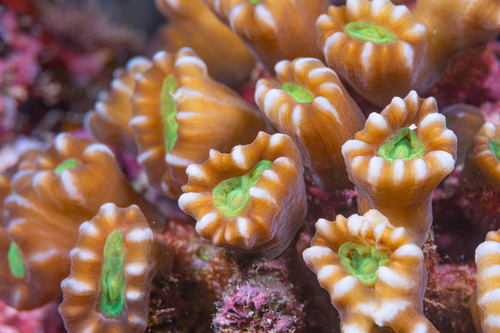
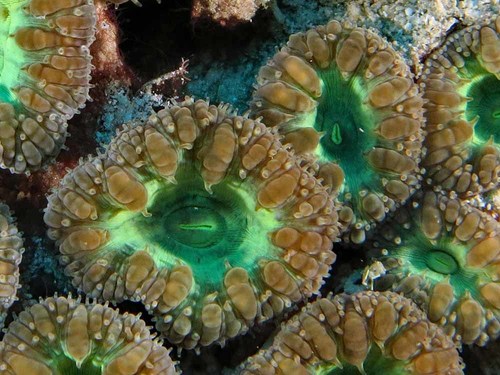
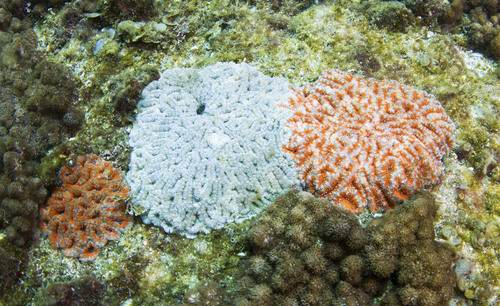
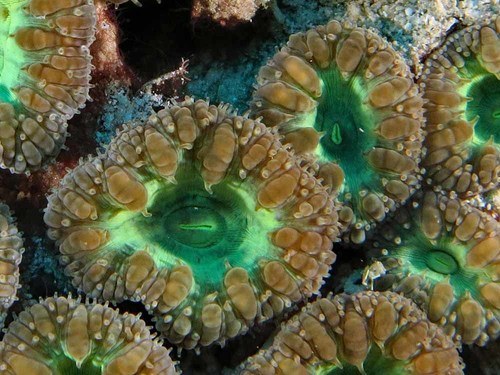
Blastomussa wellsi, commonly known as the Two Colour Big Polyp Blastomussa Coral, is a captivating species of large polyp stony coral found predominantly in the west and central Indo-Pacific region. This coral is notable for its vibrant coloration and unique morphology, featuring large, fleshy polyps that can exhibit a striking contrast between colors. This aesthetic appeal makes it a favorite among aquarists seeking to enhance the beauty of their marine environments.
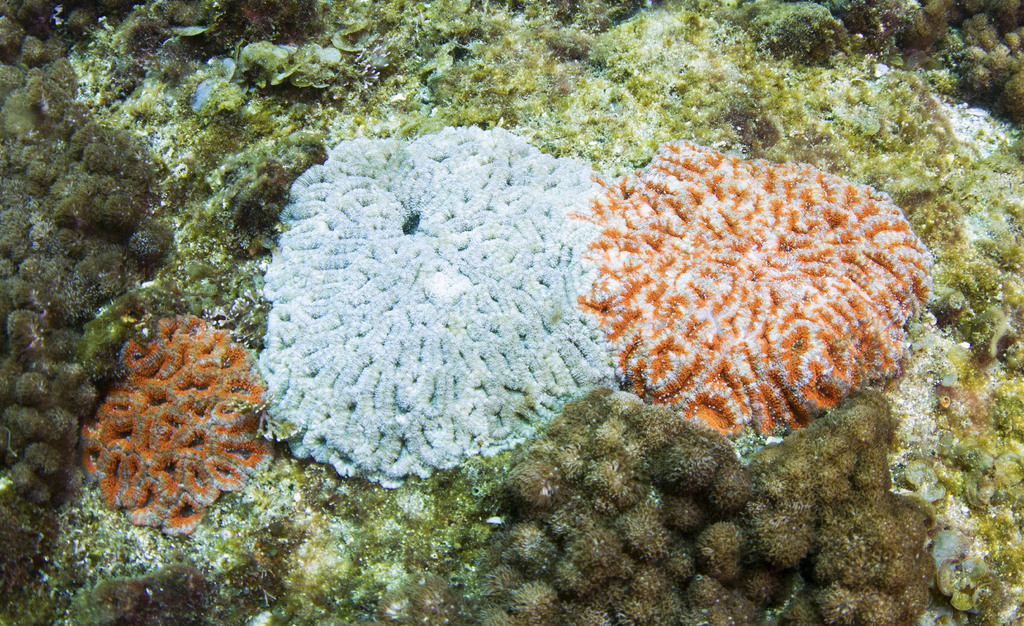
In its natural habitat, Blastomussa wellsi typically thrives in shallow waters, often found on reef slopes and in lagoons where it can benefit from ample sunlight. The coral's structure allows it to adapt to various environmental conditions, making it resilient in the face of fluctuating temperatures and light levels. Its polyps extend during the night to feed on plankton and organic detritus, showcasing a behavior characteristic of many stony corals.
The symbiotic relationship with zooxanthellae, microscopic algae residing within its tissues, plays a crucial role in its energy production. Through photosynthesis, these algae provide the coral with essential nutrients, while the coral offers them a protected environment. This mutualistic relationship is fundamental for the growth and sustainability of Blastomussa wellsi in both natural and aquarium settings.
As a potential addition to reef aquariums, understanding the natural history and behavior of Blastomussa wellsi is essential for optimal care and maintenance. Given its beautiful appearance and hardiness, it is a sought-after species for both novice and experienced aquarists alike.
In its natural habitat, Blastomussa wellsi typically thrives in shallow waters, often found on reef slopes and in lagoons where it can benefit from ample sunlight. The coral's structure allows it to adapt to various environmental conditions, making it resilient in the face of fluctuating temperatures and light levels. Its polyps extend during the night to feed on plankton and organic detritus, showcasing a behavior characteristic of many stony corals.
The symbiotic relationship with zooxanthellae, microscopic algae residing within its tissues, plays a crucial role in its energy production. Through photosynthesis, these algae provide the coral with essential nutrients, while the coral offers them a protected environment. This mutualistic relationship is fundamental for the growth and sustainability of Blastomussa wellsi in both natural and aquarium settings.
As a potential addition to reef aquariums, understanding the natural history and behavior of Blastomussa wellsi is essential for optimal care and maintenance. Given its beautiful appearance and hardiness, it is a sought-after species for both novice and experienced aquarists alike.
To ensure the health and vitality of Blastomussa wellsi, maintain water parameters with a temperature range of 24-28°C, a salinity of 1.023-1.025 ppt, and a pH between 8.1 and 8.4. Regular testing of these parameters is crucial to replicate its natural habitat and promote growth. Adequate lighting is also important; moderate light levels are recommended, as excessive lighting can lead to bleaching.
Feeding Blastomussa wellsi can be done by providing a varied diet that includes meaty foods such as zooplankton or specially formulated coral foods. It is best to feed the coral several times a week to support its nutritional needs. Compatibility with other corals is generally good, but be cautious of aggressive species that may compete for space and resources.
Acclimation should be done gradually to minimize stress. Float the coral in the aquarium for about 30 minutes before introducing it, and ensure that tank water conditions match those of the shipping water. Quarantine new corals for at least two weeks to prevent the introduction of pests or diseases into your main tank. Proper care and attention will help ensure a thriving specimen in your aquarium.
Feeding Blastomussa wellsi can be done by providing a varied diet that includes meaty foods such as zooplankton or specially formulated coral foods. It is best to feed the coral several times a week to support its nutritional needs. Compatibility with other corals is generally good, but be cautious of aggressive species that may compete for space and resources.
Acclimation should be done gradually to minimize stress. Float the coral in the aquarium for about 30 minutes before introducing it, and ensure that tank water conditions match those of the shipping water. Quarantine new corals for at least two weeks to prevent the introduction of pests or diseases into your main tank. Proper care and attention will help ensure a thriving specimen in your aquarium.
Blastomussa wellsi is suitable for shipping, but care must be taken to maintain stable temperatures between 24-28°C during transit. Packing density should allow for adequate water circulation and prevent damage to the coral. Ensure that proper cushioning is used to protect the coral from physical stress. This species is not listed on CITES, making it easier to export under standard regulations.
Species Parameters
Max Adult Size
15.0 cm
Origin
Indo-Pacific
Temp Min
24.0 °C
Temp Max
28.0 °C
Salinity Min
1.023
Salinity Max
1.025
pH Min
8.10
pH Max
8.40
Min Tank
100 L