CITES App. II
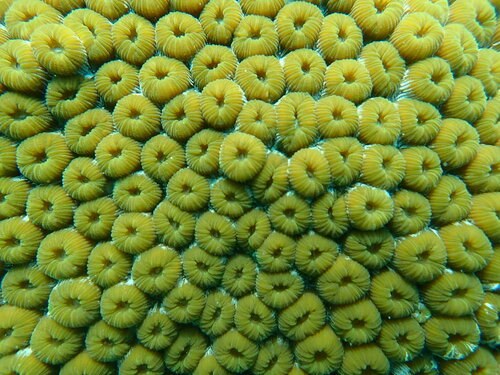
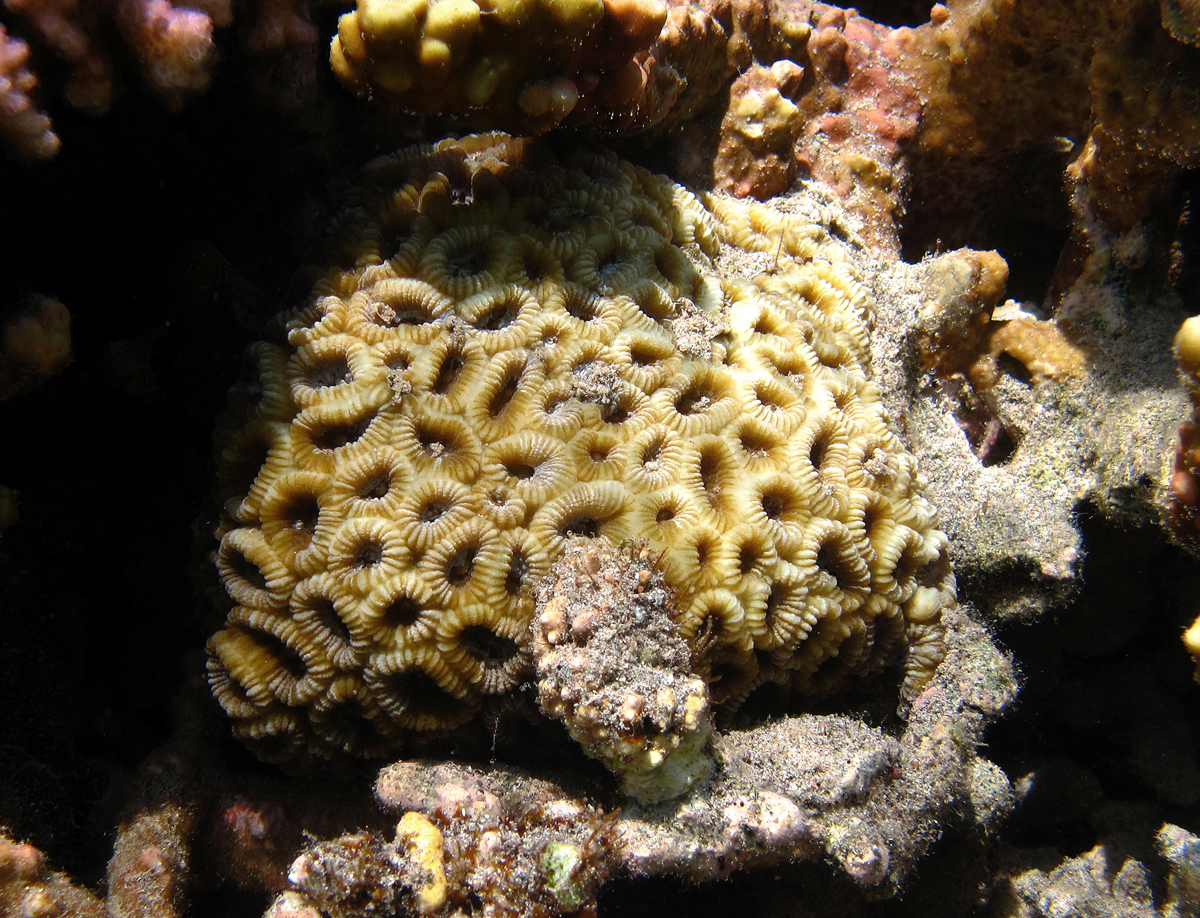
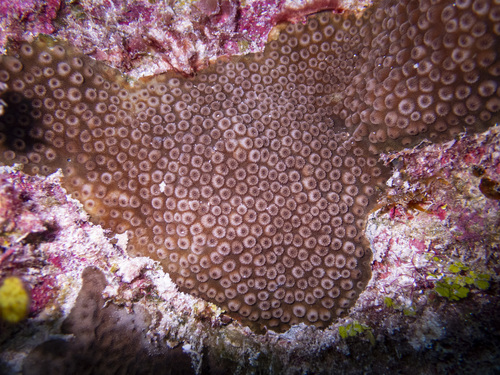
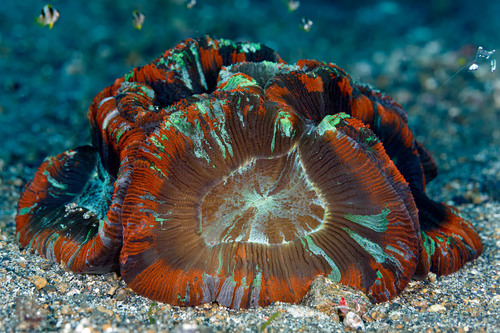
Green Brain Coral Green Metalic Brain Coral
Trachyphyllia geoffroyi
In Stock
Common stock
Aquacultured
Easy care
Reef Safe ✓
SKU: CRTRACgree
The Green Brain Coral is a stunning addition to any aquarium, known for its vibrant colors and unique structure.
Pricing for Verified Importers
Log in to see wholesale prices and order.
Export Size
up to 30.0 cm
Origin
Indo-Pacific
Temperature
24.0–28.0°C
Min. Tank Size
200 L
Salinity
1.023–1.025 ppt
pH
8.10–8.40
The Green Brain Coral (Trachyphyllia geoffroyi) is a captivating species native to the Indo-Pacific region. Recognized for its distinctive brain-like structure, it features a unique coloration ranging from deep greens to metallic hues, making it a visually striking centerpiece in reef aquariums. This species is a member of the Merulinidae family and is the sole representative of its genus, highlighting its uniqueness within the coral family.
In terms of natural history, the Green Brain Coral prefers shallow waters and is often found in areas with strong light exposure, such as reef slopes and lagoons. Its structure allows it to thrive in these environments, as it can effectively capture sunlight for photosynthesis while also feeding on plankton and organic detritus in the water column. During the night, these corals exhibit fascinating behavior by extending their tentacles to capture food, showcasing their dual feeding strategies.
The Green Brain Coral's polyp extension is a critical adaptation that enhances its ability to feed and interact with its environment. This coral species can also engage in a symbiotic relationship with zooxanthellae, providing it with the necessary nutrients to grow and thrive in the ocean. As a result, it plays an essential role in maintaining the health of coral reef ecosystems, contributing to biodiversity and habitat stability.
Overall, the Green Brain Coral not only adds aesthetic value to aquariums but also represents a vital component of marine ecosystems. Its resilience and adaptability make it an ideal candidate for both novice and experienced aquarists, ensuring its popularity in the marine aquarium trade.
In terms of natural history, the Green Brain Coral prefers shallow waters and is often found in areas with strong light exposure, such as reef slopes and lagoons. Its structure allows it to thrive in these environments, as it can effectively capture sunlight for photosynthesis while also feeding on plankton and organic detritus in the water column. During the night, these corals exhibit fascinating behavior by extending their tentacles to capture food, showcasing their dual feeding strategies.
The Green Brain Coral's polyp extension is a critical adaptation that enhances its ability to feed and interact with its environment. This coral species can also engage in a symbiotic relationship with zooxanthellae, providing it with the necessary nutrients to grow and thrive in the ocean. As a result, it plays an essential role in maintaining the health of coral reef ecosystems, contributing to biodiversity and habitat stability.
Overall, the Green Brain Coral not only adds aesthetic value to aquariums but also represents a vital component of marine ecosystems. Its resilience and adaptability make it an ideal candidate for both novice and experienced aquarists, ensuring its popularity in the marine aquarium trade.
To maintain the health of Green Brain Coral, specific water parameters are crucial. Ideal temperature ranges from 24°C to 28°C, with a salinity of 1.023 to 1.025 ppt. The pH should be maintained between 8.1 and 8.4. Regular testing and adjustments are necessary to ensure stable conditions, as fluctuations can lead to stress and disease.
Feeding the Green Brain Coral involves providing a balanced diet of phytoplankton, zooplankton, and finely chopped marine foods. While it can derive energy from light through photosynthesis, supplemental feeding will enhance its growth and vibrancy. Compatibility with other marine species is generally good, but it is advisable to place it away from aggressive coral species to prevent tissue loss due to aggression.
Acclimation is a critical step when introducing Green Brain Coral to a new environment. Gradual acclimation over several hours is recommended to minimize stress. A quarantine period of at least two weeks is also beneficial to monitor for pests or diseases before introducing it to the main display tank, ensuring a healthy and thriving addition to your aquarium.
Feeding the Green Brain Coral involves providing a balanced diet of phytoplankton, zooplankton, and finely chopped marine foods. While it can derive energy from light through photosynthesis, supplemental feeding will enhance its growth and vibrancy. Compatibility with other marine species is generally good, but it is advisable to place it away from aggressive coral species to prevent tissue loss due to aggression.
Acclimation is a critical step when introducing Green Brain Coral to a new environment. Gradual acclimation over several hours is recommended to minimize stress. A quarantine period of at least two weeks is also beneficial to monitor for pests or diseases before introducing it to the main display tank, ensuring a healthy and thriving addition to your aquarium.
Green Brain Coral is suitable for shipping, provided that appropriate care is taken during transit. Packing should ensure minimal movement while maintaining moisture levels. Ideal packing density is one coral per 5 liters of water to prevent damage. The coral is sensitive to temperature changes, and maintaining a consistent temperature between 24°C to 28°C during shipping is essential. This species is not listed under CITES, making it easier for exporters to comply with regulations.
Species Parameters
Max Adult Size
30.0 cm
Origin
Indo-Pacific
Habitat
reef
Temp Min
24.0 °C
Temp Max
28.0 °C
Salinity Min
1.023
Salinity Max
1.025
pH Min
8.10
pH Max
8.40
Min Tank
200 L