CITES App. II
Green Moon Coral
Favia sp.
In Stock
Common stock
Maricultured
Experienced care
Reef Safe ✓
SKU: CB-HC-0187
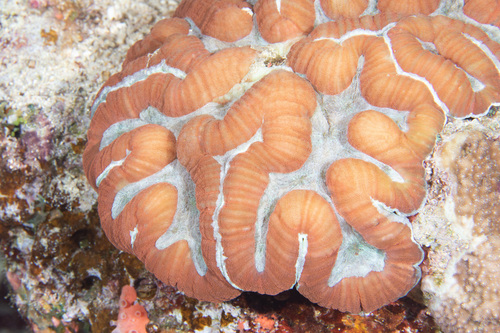
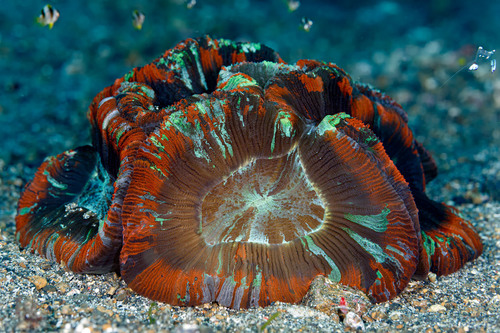
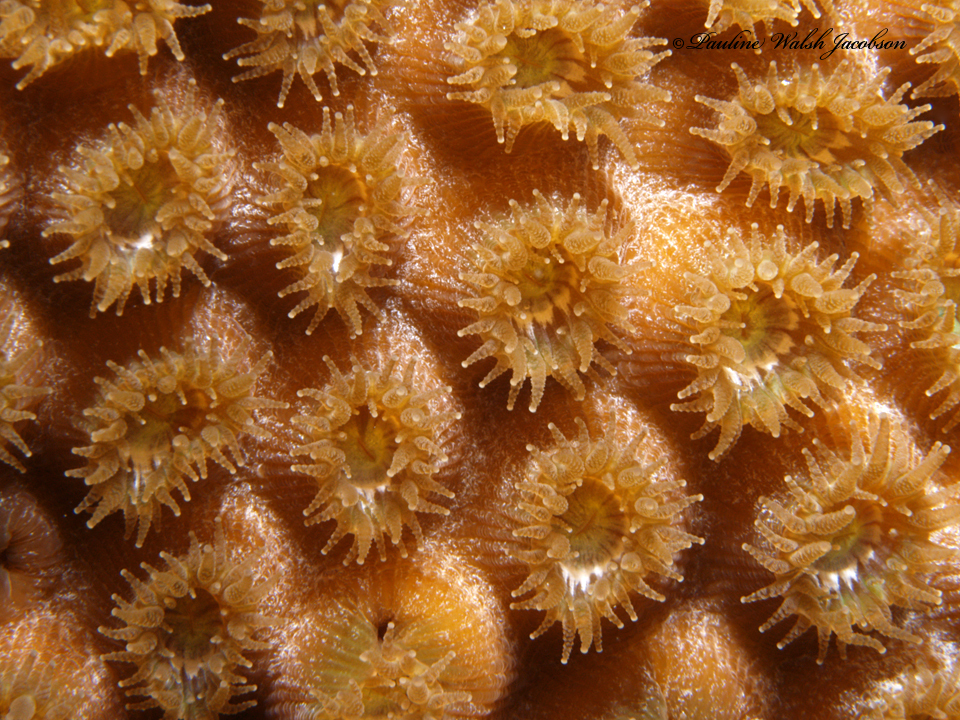
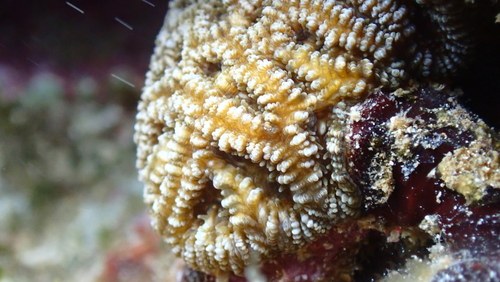
The Green Moon Coral (Favia sp.) captivates with its vibrant hues and intricate patterns, making it a prized addition to any reef aquarium.
Pricing for Verified Importers
Log in to see wholesale prices and order.
Export Size
up to 30.0 cm
Origin
Coral Triangle
Temperature
24.0–28.0°C
Min. Tank Size
100 L
Salinity
34.000–37.000 ppt
pH
8.10–8.40
The Green Moon Coral, belonging to the Favia genus, is renowned for its stunning appearance and ecological significance. This species features a unique blend of rich green and yellow hues, creating a mesmerizing effect that mimics the moonlight reflecting on ocean waves. Its polyp structure is robust, with a distinctive honeycomb pattern, which provides an intricate look that enhances the beauty of any marine display. Found primarily in shallow reef environments, this coral thrives under moderate to high light conditions, making it a popular choice for aquarists looking to create a vibrant underwater landscape.
In its natural habitat, Green Moon Coral plays a crucial role in the reef ecosystem. It serves as both a habitat and a food source for various marine organisms. The coral's symbiotic relationship with zooxanthellae algae allows it to utilize sunlight for photosynthesis, contributing to its energy requirements. This adaptation not only aids in its growth but also enhances the overall health of the reef community by supporting a diverse range of marine life.
Behaviorally, the Green Moon Coral is known for its slow growth rate and can live for many years, making it a long-term investment for aquarium enthusiasts. It exhibits a unique feeding habit, capturing plankton and organic matter that drift in the water column. When properly cared for, it can flourish, adding both beauty and stability to the reef aquarium environment.
This coral species is typically found in the Coral Triangle, where it grows in colonies on rocky substrates. Its preference for shallow waters means it is often exposed to varying light conditions, which it adapts to easily, further showcasing its resilience. The Green Moon Coral is not just a stunning visual presence; it is also a testament to the intricate relationships found within coral reef ecosystems.
In its natural habitat, Green Moon Coral plays a crucial role in the reef ecosystem. It serves as both a habitat and a food source for various marine organisms. The coral's symbiotic relationship with zooxanthellae algae allows it to utilize sunlight for photosynthesis, contributing to its energy requirements. This adaptation not only aids in its growth but also enhances the overall health of the reef community by supporting a diverse range of marine life.
Behaviorally, the Green Moon Coral is known for its slow growth rate and can live for many years, making it a long-term investment for aquarium enthusiasts. It exhibits a unique feeding habit, capturing plankton and organic matter that drift in the water column. When properly cared for, it can flourish, adding both beauty and stability to the reef aquarium environment.
This coral species is typically found in the Coral Triangle, where it grows in colonies on rocky substrates. Its preference for shallow waters means it is often exposed to varying light conditions, which it adapts to easily, further showcasing its resilience. The Green Moon Coral is not just a stunning visual presence; it is also a testament to the intricate relationships found within coral reef ecosystems.
For optimal growth of the Green Moon Coral, maintaining stable water parameters is crucial. Ideal temperature ranges are between 24°C and 28°C, with a salinity level of 34-37 ppt. The pH should be kept between 8.1 and 8.4. Regular monitoring of these parameters ensures a healthy environment for the coral.
Feeding the Green Moon Coral involves providing a balanced diet of plankton, coral pellets, and high-quality frozen foods. While it can derive energy from photosynthesis, supplemental feeding enhances its growth and color vibrancy. Compatibility-wise, it generally does well with other peaceful corals but may exhibit aggression towards more aggressive species, so careful placement in the aquarium is advised.
When acclimating the Green Moon Coral, gradual introduction to the aquarium is essential. Use the drip acclimation method to minimize stress. A quarantine period of at least two weeks is recommended to prevent the introduction of potential pests or diseases into your main display tank. During this time, observe for any signs of stress or health issues before introducing the coral to the main system.
Feeding the Green Moon Coral involves providing a balanced diet of plankton, coral pellets, and high-quality frozen foods. While it can derive energy from photosynthesis, supplemental feeding enhances its growth and color vibrancy. Compatibility-wise, it generally does well with other peaceful corals but may exhibit aggression towards more aggressive species, so careful placement in the aquarium is advised.
When acclimating the Green Moon Coral, gradual introduction to the aquarium is essential. Use the drip acclimation method to minimize stress. A quarantine period of at least two weeks is recommended to prevent the introduction of potential pests or diseases into your main display tank. During this time, observe for any signs of stress or health issues before introducing the coral to the main system.
The Green Moon Coral is suitable for shipping but requires careful handling to minimize stress. Packing density should be moderate, ensuring adequate water circulation and cushioning. The coral is sensitive to temperature fluctuations; thus, maintaining a temperature range between 24°C and 26°C during transit is essential. As a CITES non-applicable species, there are no restrictions on export, making it readily available for wholesale.
Species Parameters
Max Adult Size
30.0 cm
Origin
Coral Triangle
Temp Min
24.0 °C
Temp Max
28.0 °C
Salinity Min
34.000
Salinity Max
37.000
pH Min
8.10
pH Max
8.40
Min Tank
100 L