CITES App. II
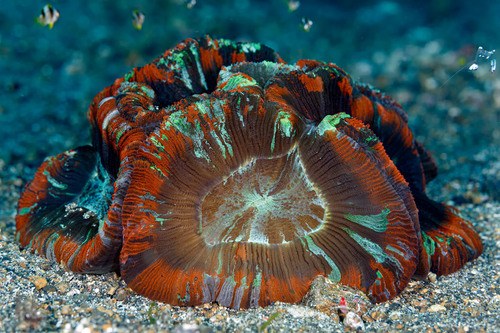
Red Branching Brain Coral
Lobophyllia Spp
In Stock
Common stock
Aquacultured
Easy care
Reef Safe ✓
SKU: CRLOBOred
The Red Branching Brain Coral showcases stunning colors and intricate structures, making it a prized addition to any reef aquarium.
Pricing for Verified Importers
Log in to see wholesale prices and order.
Export Size
up to 30.0 cm
Origin
Coral Triangle
Temperature
24.0–28.0°C
Min. Tank Size
100 L
Salinity
1.022–1.026 ppt
pH
8.10–8.40
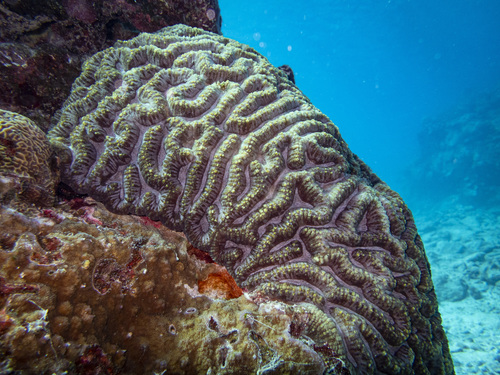
The Red Branching Brain Coral (Lobophyllia spp.) is a captivating marine species known for its vibrant red hues and unique branching formations. Found predominantly in the Coral Triangle, this coral thrives in warm, shallow waters, where it forms large colonies that can create stunning underwater landscapes. The intricate textures and shapes of the branches are not only visually appealing but also provide essential habitats for various marine organisms, contributing to the biodiversity of reef ecosystems.
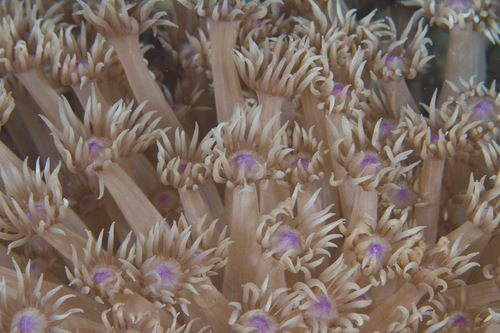
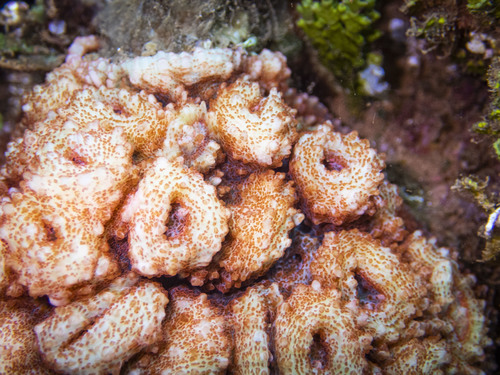
In terms of appearance, the Red Branching Brain Coral features a hard skeleton with a fleshy exterior that exhibits a range of colors from deep red to bright orange. The corallites, or individual polyps, are usually well-defined and can retract during stressful conditions, showcasing the coral's adaptive nature. As a hermatypic coral, it houses symbiotic zooxanthellae algae, which play a crucial role in its energy production through photosynthesis.
Behaviorally, this coral is relatively hardy but requires stable environmental conditions to thrive. It exhibits a slow growth rate, typically extending its branches over time, which can take years. The Red Branching Brain Coral is known for its ability to tolerate varying light conditions, although it prefers moderate light levels. This adaptability makes it suitable for both novice and experienced aquarists.
Habitat-wise, Lobophyllia spp. is often found in reef environments where it can receive ample light and water movement. This coral species is typically located in depths ranging from 1 to 20 meters, where it plays a vital role in maintaining the ecological balance of the reef. Its resilience in various conditions is a testament to its evolutionary success and makes it a popular choice among aquarium enthusiasts.
In terms of appearance, the Red Branching Brain Coral features a hard skeleton with a fleshy exterior that exhibits a range of colors from deep red to bright orange. The corallites, or individual polyps, are usually well-defined and can retract during stressful conditions, showcasing the coral's adaptive nature. As a hermatypic coral, it houses symbiotic zooxanthellae algae, which play a crucial role in its energy production through photosynthesis.
Behaviorally, this coral is relatively hardy but requires stable environmental conditions to thrive. It exhibits a slow growth rate, typically extending its branches over time, which can take years. The Red Branching Brain Coral is known for its ability to tolerate varying light conditions, although it prefers moderate light levels. This adaptability makes it suitable for both novice and experienced aquarists.
Habitat-wise, Lobophyllia spp. is often found in reef environments where it can receive ample light and water movement. This coral species is typically located in depths ranging from 1 to 20 meters, where it plays a vital role in maintaining the ecological balance of the reef. Its resilience in various conditions is a testament to its evolutionary success and makes it a popular choice among aquarium enthusiasts.
When caring for Red Branching Brain Coral, it's essential to maintain optimal water parameters. Ideal temperature ranges from 24°C to 28°C, with a salinity level between 1.022 and 1.026 ppt. The pH should be kept between 8.1 and 8.4. Regular water testing is crucial to ensure these levels remain stable. Unlike some coral species, Lobophyllia spp. can benefit from moderate to high lighting, but be cautious of excessive direct sunlight, which can lead to bleaching.
Feeding this coral is relatively straightforward, as it derives energy primarily from its symbiotic algae. However, supplementing its diet with small meaty foods such as mysis shrimp or brine shrimp a few times a week can promote healthy growth. Compatibility with other tank inhabitants is generally good; however, care should be taken with aggressive corals that might outcompete it for space and light.
Acclimation is vital when introducing this coral to a new tank. A slow acclimation process over several hours is recommended to minimize stress. Quarantine is also advisable to prevent the introduction of pests or diseases into your main aquarium. Regular monitoring for any signs of stress or illness will help ensure the long-term health of your Red Branching Brain Coral.
Feeding this coral is relatively straightforward, as it derives energy primarily from its symbiotic algae. However, supplementing its diet with small meaty foods such as mysis shrimp or brine shrimp a few times a week can promote healthy growth. Compatibility with other tank inhabitants is generally good; however, care should be taken with aggressive corals that might outcompete it for space and light.
Acclimation is vital when introducing this coral to a new tank. A slow acclimation process over several hours is recommended to minimize stress. Quarantine is also advisable to prevent the introduction of pests or diseases into your main aquarium. Regular monitoring for any signs of stress or illness will help ensure the long-term health of your Red Branching Brain Coral.
Red Branching Brain Coral is suitable for shipping due to its hard skeletal structure, which provides some resilience during transit. Packing density should allow for adequate space to prevent damage, and temperatures should be maintained between 20°C and 26°C. CITES status for Lobophyllia spp. is not listed, but careful handling and appropriate documentation are recommended during export.
Species Parameters
Max Adult Size
30.0 cm
Origin
Coral Triangle
Habitat
reef
Temp Min
24.0 °C
Temp Max
28.0 °C
Salinity Min
1.022
Salinity Max
1.026
pH Min
8.10
pH Max
8.40
Min Tank
100 L