CITES App. II
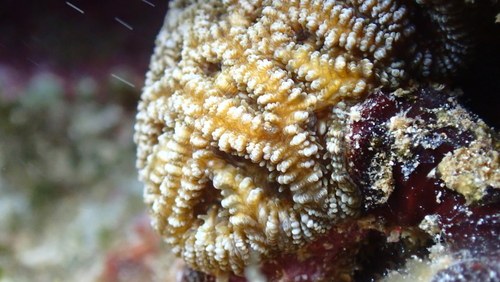
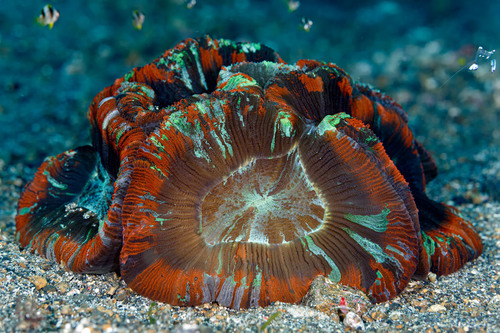
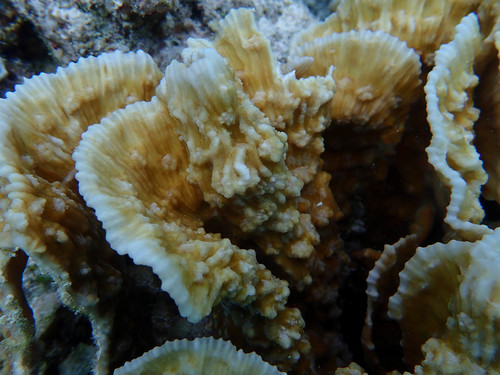
Red chalice Coral
Echinophyllia aspera
In Stock
Common stock
Aquacultured
Easy care
Reef Safe ✓
SKU: CRECHIred
The Red Chalice Coral captivates with its vibrant colors and unique structure.
Pricing for Verified Importers
Log in to see wholesale prices and order.
Export Size
up to 30.0 cm
Origin
Indo-Pacific
Temperature
24.0–28.0°C
Min. Tank Size
100 L
Salinity
35.000–35.000 ppt
pH
8.10–8.40
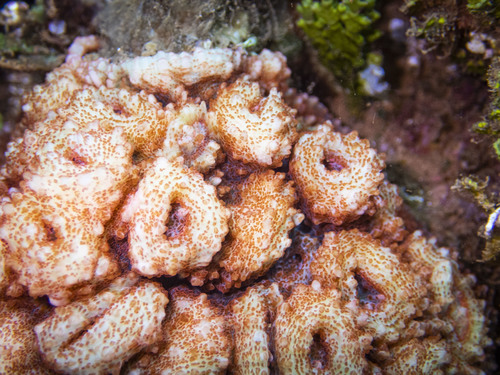
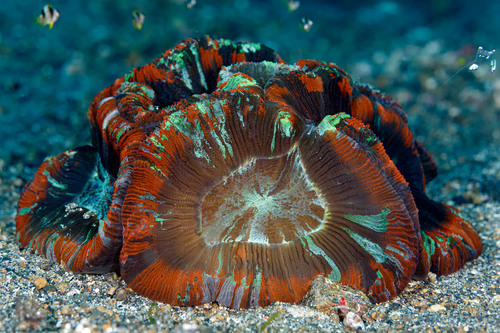
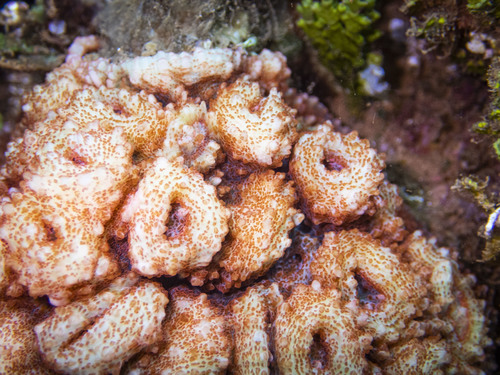
Echinophyllia aspera, commonly referred to as the Red Chalice Coral, is a striking species of large polyp stony corals found primarily in the western and central Indo-Pacific regions. This coral exhibits a unique growth form, combining both encrusting and laminate layers, which can create beautiful, tiered formations on the reef. Its vivid hues, ranging from deep reds to vibrant oranges, make it a sought-after addition for both aquarists and reef displays alike.
In terms of appearance, Red Chalice Corals feature large, fleshy polyps that extend from their calcareous skeletons, giving them a plush, appealing look. The polyps can open during the night to feed and retract during the day, showcasing their stunning colors. Their structure provides ample space for symbiotic algae, which contribute to their vibrant shades through photosynthesis, indicating their partial dependence on light for energy.
Red Chalice Corals thrive in diverse environments, often found in shallow waters where light penetration is optimal. They typically inhabit reef slopes and lagoons, where they can benefit from the nutrient-rich waters. Their ability to adapt to varying water conditions makes them resilient, but they still require specific parameters to flourish in captivity.
Behaviorally, these corals are known to engage in aggressive interactions with neighboring corals using their sweeper tentacles. This territoriality is essential for their survival, ensuring that they secure enough space and resources in the competitive reef ecosystem. In aquariums, it’s crucial to place them at a safe distance from other corals to minimize aggression and promote healthy growth.
In terms of appearance, Red Chalice Corals feature large, fleshy polyps that extend from their calcareous skeletons, giving them a plush, appealing look. The polyps can open during the night to feed and retract during the day, showcasing their stunning colors. Their structure provides ample space for symbiotic algae, which contribute to their vibrant shades through photosynthesis, indicating their partial dependence on light for energy.
Red Chalice Corals thrive in diverse environments, often found in shallow waters where light penetration is optimal. They typically inhabit reef slopes and lagoons, where they can benefit from the nutrient-rich waters. Their ability to adapt to varying water conditions makes them resilient, but they still require specific parameters to flourish in captivity.
Behaviorally, these corals are known to engage in aggressive interactions with neighboring corals using their sweeper tentacles. This territoriality is essential for their survival, ensuring that they secure enough space and resources in the competitive reef ecosystem. In aquariums, it’s crucial to place them at a safe distance from other corals to minimize aggression and promote healthy growth.
For optimal care of Red Chalice Coral, maintain water parameters at a temperature between 24°C to 28°C, with a salinity of 1.023 to 1.025 ppt, and a pH level between 8.1 and 8.4. These corals thrive in stable environments, so regular monitoring and adjustments are necessary to keep conditions ideal. Additionally, providing good water circulation will help prevent detritus accumulation and promote healthy growth.
Feeding these corals is essential for their health, especially in aquariums where light may not be sufficient for photosynthesis. A diet of fine zooplankton, coral-specific foods, and occasional meaty offerings will enhance their growth and coloration. Compatibility-wise, they can coexist with many reef species, but caution is advised to ensure they are not placed near aggressive corals that may harm them.
During acclimation, introduce the Red Chalice Coral slowly into the aquarium environment to prevent shock. A quarantine period is highly recommended to monitor for pests or diseases before adding them to the main display tank. Ensuring a stress-free acclimatization will significantly enhance their survival and vitality in captivity.
Feeding these corals is essential for their health, especially in aquariums where light may not be sufficient for photosynthesis. A diet of fine zooplankton, coral-specific foods, and occasional meaty offerings will enhance their growth and coloration. Compatibility-wise, they can coexist with many reef species, but caution is advised to ensure they are not placed near aggressive corals that may harm them.
During acclimation, introduce the Red Chalice Coral slowly into the aquarium environment to prevent shock. A quarantine period is highly recommended to monitor for pests or diseases before adding them to the main display tank. Ensuring a stress-free acclimatization will significantly enhance their survival and vitality in captivity.
The Red Chalice Coral is suitable for shipping, provided it is packed carefully to minimize movement and stress. Use insulated containers with adequate moisture retention to maintain temperature during transit. Ideal shipping temperatures should range between 24°C to 28°C. This species is not listed under CITES, making it easier for export from Indonesia.
Species Parameters
Max Adult Size
30.0 cm
Origin
Indo-Pacific
Habitat
reef
Temp Min
24.0 °C
Temp Max
28.0 °C
Salinity Min
35.000
Salinity Max
35.000
pH Min
8.10
pH Max
8.40
Min Tank
100 L