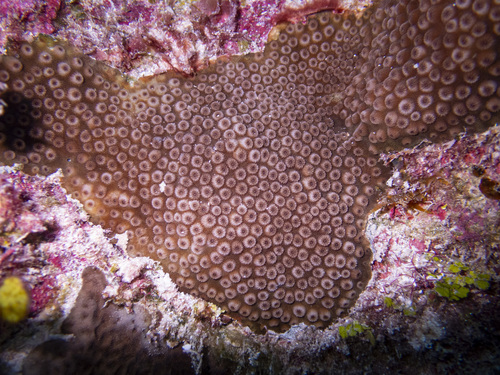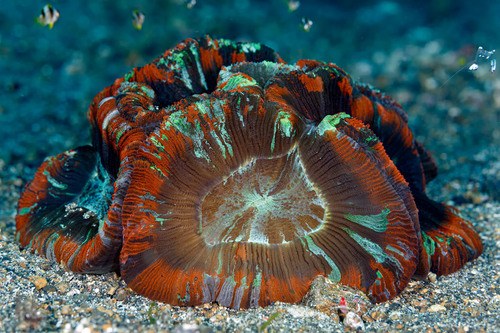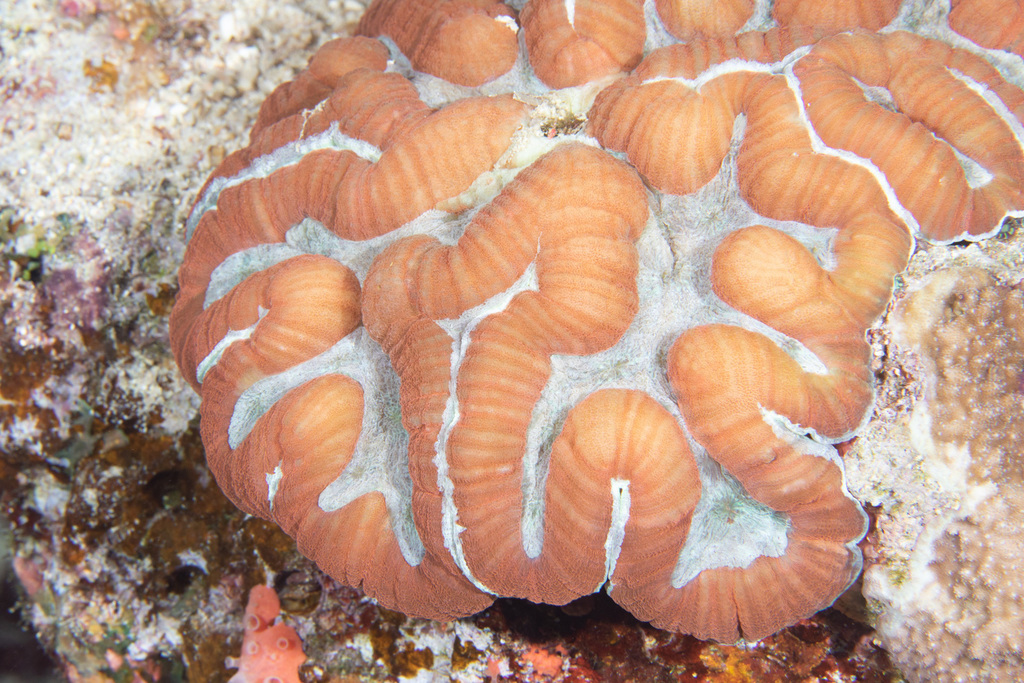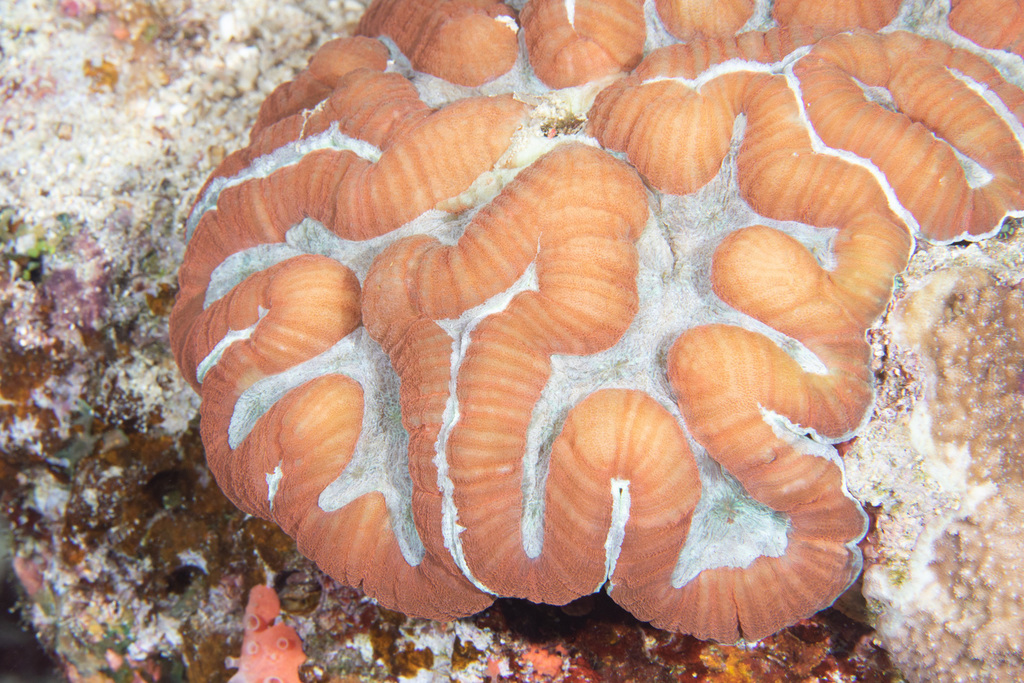
CITES App. II
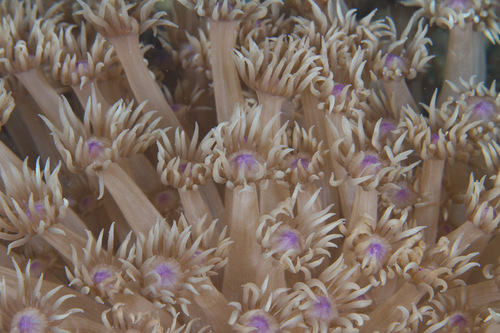
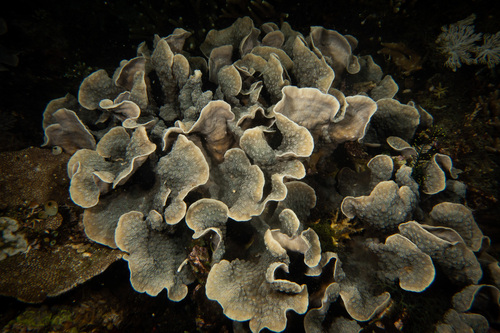
Red eyes Yellow Thin Plating coral
Echinopora lamellosa
In Stock
Common stock
Aquacultured
Easy care
Reef Safe ✓
SKU: CRECHIrede
The Red Eyes Yellow Thin Plating coral features vibrant colors and unique morphology, making it a stunning addition to any reef aquarium.
Pricing for Verified Importers
Log in to see wholesale prices and order.
Export Size
up to 15.0 cm
Origin
Coral Triangle
Temperature
24.0–28.0°C
Min. Tank Size
100 L
Salinity
32.000–36.000 ppt
pH
8.10–8.40
Echinopora lamellosa, commonly known as the Red Eyes Yellow Thin Plating coral, is a remarkable species found predominantly in the Coral Triangle of Southeast Asia, particularly in Bali, Indonesia. This coral exhibits a distinctive plating morphology, characterized by its thin, plate-like structures that provide an ideal habitat for various marine organisms. Its vibrant yellow coloration, complemented by striking red polyps, offers a visual spectacle that enhances the aesthetic appeal of reef aquariums.
In its natural habitat, Echinopora lamellosa thrives in shallow, clear waters, typically at depths of less than 20 meters. It is often found in areas with moderate water movement and ample sunlight, which are crucial for its photosynthetic symbionts, zooxanthellae. These symbiotic algae not only provide energy through photosynthesis but also contribute to the coral's vibrant coloration. The coral's growth pattern is influenced by environmental factors, such as light intensity and water quality, making it a vital species for maintaining biodiversity in coral reef ecosystems.
Behaviorally, the Red Eyes Yellow Thin Plating coral is relatively peaceful and can coexist with various reef inhabitants. It plays a critical role in the reef ecosystem by providing shelter and food for small marine organisms. Its unique structure offers hiding spots for juvenile fish and invertebrates, while also promoting a healthy habitat for algae and other microorganisms essential for reef health.
Overall, the Red Eyes Yellow Thin Plating coral is not only a beautiful specimen but also a crucial component of its ecosystem, contributing to the overall health and diversity of marine life in its natural environment.
In its natural habitat, Echinopora lamellosa thrives in shallow, clear waters, typically at depths of less than 20 meters. It is often found in areas with moderate water movement and ample sunlight, which are crucial for its photosynthetic symbionts, zooxanthellae. These symbiotic algae not only provide energy through photosynthesis but also contribute to the coral's vibrant coloration. The coral's growth pattern is influenced by environmental factors, such as light intensity and water quality, making it a vital species for maintaining biodiversity in coral reef ecosystems.
Behaviorally, the Red Eyes Yellow Thin Plating coral is relatively peaceful and can coexist with various reef inhabitants. It plays a critical role in the reef ecosystem by providing shelter and food for small marine organisms. Its unique structure offers hiding spots for juvenile fish and invertebrates, while also promoting a healthy habitat for algae and other microorganisms essential for reef health.
Overall, the Red Eyes Yellow Thin Plating coral is not only a beautiful specimen but also a crucial component of its ecosystem, contributing to the overall health and diversity of marine life in its natural environment.
For successful cultivation of Echinopora lamellosa, maintaining stable water parameters is essential. Ideal conditions include a temperature range of 24-28°C, salinity between 32-36 ppt, and a pH level of 8.1-8.4. Regular monitoring of these parameters can prevent stress and promote healthy growth.
Feeding this coral primarily relies on its symbiotic relationship with zooxanthellae; however, occasional supplemental feeding with fine particulate foods or coral-specific formulas can enhance its health and coloration. Compatibility with other tank inhabitants is generally good, but caution should be exercised with aggressive species that may compete for space or resources.
Acclimation is a crucial process when introducing Echinopora lamellosa to a new environment. A slow acclimation over several hours, gradually introducing the coral to the new water conditions, is recommended to minimize shock. Quarantine is also advisable for new arrivals to prevent the introduction of pests or diseases into established systems.
Feeding this coral primarily relies on its symbiotic relationship with zooxanthellae; however, occasional supplemental feeding with fine particulate foods or coral-specific formulas can enhance its health and coloration. Compatibility with other tank inhabitants is generally good, but caution should be exercised with aggressive species that may compete for space or resources.
Acclimation is a crucial process when introducing Echinopora lamellosa to a new environment. A slow acclimation over several hours, gradually introducing the coral to the new water conditions, is recommended to minimize shock. Quarantine is also advisable for new arrivals to prevent the introduction of pests or diseases into established systems.
Echinopora lamellosa is suitable for shipping and can be packed efficiently for export. Optimal packing density should ensure adequate space to prevent damage during transit. Temperature sensitivity is moderate; thus, maintaining a stable temperature around 25°C during shipping is essential. This species is not listed under CITES, ensuring a straightforward export process without additional regulatory constraints.
Species Parameters
Max Adult Size
15.0 cm
Origin
Coral Triangle
Habitat
reef
Temp Min
24.0 °C
Temp Max
28.0 °C
Salinity Min
32.000
Salinity Max
36.000
pH Min
8.10
pH Max
8.40
Min Tank
100 L