CITES App. II
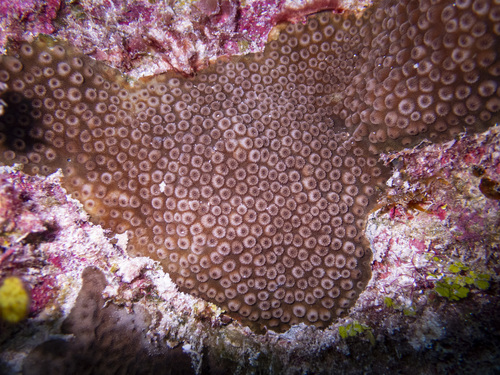
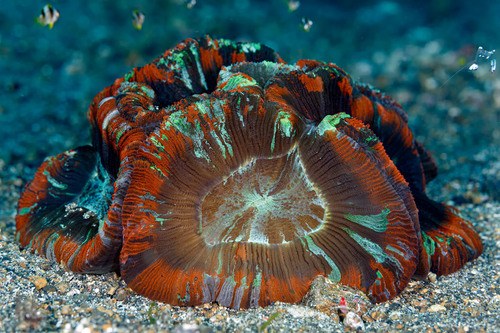
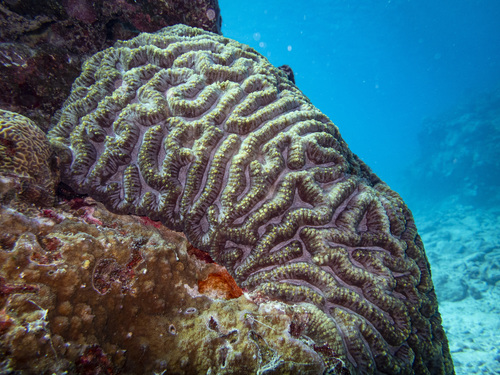
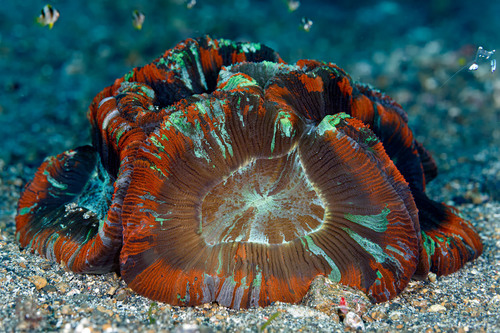
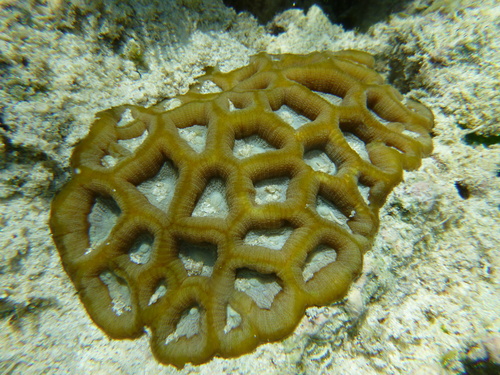
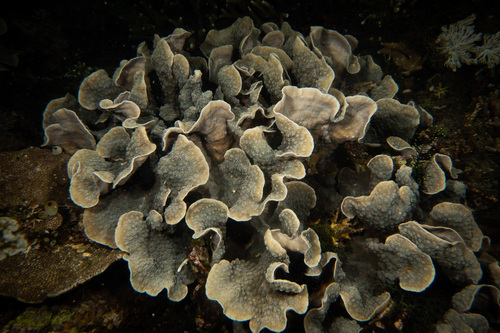
super sepecial Thin Plating coral
Echinopora lamellosa
In Stock
Common stock
Aquacultured
Easy care
Reef Safe ✓
SKU: CRECHIsupe
Discover the beauty of the super special Thin Plating coral, known for its unique plating structure and vibrant colors.
Pricing for Verified Importers
Log in to see wholesale prices and order.
Export Size
up to 30.0 cm
Origin
Coral Triangle
Temperature
24.0–28.0°C
Min. Tank Size
200 L
Salinity
32.000–35.000 ppt
pH
8.10–8.40
The super special Thin Plating coral (Echinopora lamellosa) is a remarkable species found in the warm, shallow waters of the Coral Triangle, particularly around the islands of Bali, Indonesia. This coral is characterized by its distinctive thin plates that spread out gracefully, resembling a delicate fan. Its vibrant hues, which can range from deep blues to bright greens, make it a stunning addition to any reef aquarium, showcasing the diversity of marine life.
Echinopora lamellosa thrives in well-lit environments, typically found in areas with moderate water movement. It forms large, flat structures that can grow several centimeters in height, creating a habitat for various marine organisms. The coral's skeletal structure is composed of calcium carbonate, which provides both strength and resilience against natural disturbances. This species is also known for its fascinating symbiotic relationship with zooxanthellae, which are photosynthetic algae that live within its tissues, providing energy and nutrients through the process of photosynthesis.
In terms of behavior, the super special Thin Plating coral exhibits a slow growth rate but can live for many years if conditions are favorable. It is a peaceful species, often cohabitating with other corals and marine life without aggressive competition for space. However, it does require specific care to flourish in captivity, making it essential for importers and retailers to understand its needs fully.
Habitat-wise, this coral prefers shallow reef areas and can often be found in lagoons and on outer reef slopes. The optimal environment includes stable water temperatures, adequate light exposure, and low nutrient levels, which help maintain the health of the coral and its associated ecosystems.
Echinopora lamellosa thrives in well-lit environments, typically found in areas with moderate water movement. It forms large, flat structures that can grow several centimeters in height, creating a habitat for various marine organisms. The coral's skeletal structure is composed of calcium carbonate, which provides both strength and resilience against natural disturbances. This species is also known for its fascinating symbiotic relationship with zooxanthellae, which are photosynthetic algae that live within its tissues, providing energy and nutrients through the process of photosynthesis.
In terms of behavior, the super special Thin Plating coral exhibits a slow growth rate but can live for many years if conditions are favorable. It is a peaceful species, often cohabitating with other corals and marine life without aggressive competition for space. However, it does require specific care to flourish in captivity, making it essential for importers and retailers to understand its needs fully.
Habitat-wise, this coral prefers shallow reef areas and can often be found in lagoons and on outer reef slopes. The optimal environment includes stable water temperatures, adequate light exposure, and low nutrient levels, which help maintain the health of the coral and its associated ecosystems.
For optimal health, the super special Thin Plating coral requires specific water parameters: a temperature range of 24-28°C, salinity levels of 32-35 ppt, and a pH between 8.1 and 8.4. Lighting should be moderate to high, as this coral relies on its symbiotic algae for energy. It is important to provide indirect light to prevent bleaching while ensuring sufficient illumination for photosynthesis.
Feeding is crucial for this species, as it benefits from both photosynthesis and supplemental feeding. Importers should provide a diet of fine plankton, coral-specific foods, and, occasionally, small pieces of marine gel foods. Compatibility with other corals is generally good; however, it is advisable to avoid placing it near aggressive species that may outcompete it for space and resources.
Acclimation should be gradual, allowing the coral to adjust to the new environment without stress. Quarantine procedures are recommended to prevent the introduction of pests and diseases. Monitor water parameters regularly and ensure stable conditions during the acclimation process to promote long-term health and growth.
Feeding is crucial for this species, as it benefits from both photosynthesis and supplemental feeding. Importers should provide a diet of fine plankton, coral-specific foods, and, occasionally, small pieces of marine gel foods. Compatibility with other corals is generally good; however, it is advisable to avoid placing it near aggressive species that may outcompete it for space and resources.
Acclimation should be gradual, allowing the coral to adjust to the new environment without stress. Quarantine procedures are recommended to prevent the introduction of pests and diseases. Monitor water parameters regularly and ensure stable conditions during the acclimation process to promote long-term health and growth.
The super special Thin Plating coral is suitable for shipping and requires careful packing to minimize stress during transit. Utilize insulated boxes with appropriate cushioning to protect the coral from impacts. Maintain a stable temperature between 22-25°C during shipping, as temperature fluctuations can adversely affect its health. While not currently listed under CITES, it is essential to stay updated on regulations to ensure compliance with export guidelines.
Species Parameters
Max Adult Size
30.0 cm
Origin
Coral Triangle
Habitat
reef
Temp Min
24.0 °C
Temp Max
28.0 °C
Salinity Min
32.000
Salinity Max
35.000
pH Min
8.10
pH Max
8.40
Min Tank
200 L