CITES App. II
Elegant Coral
Catalaphyllia jardinei
In Stock
Common stock
Maricultured
Experienced care
Reef Safe ✓
SKU: CB-HC-0028
Elegance Coral is a stunning addition to any marine aquarium, known for its vibrant colors and unique structure.
Pricing for Verified Importers
Log in to see wholesale prices and order.
Export Size
up to 50.0 cm
Origin
Coral Triangle
Temperature
24.0–28.0°C
Min. Tank Size
200 L
Salinity
35.000–35.000 ppt
pH
8.10–8.40
Catalaphyllia jardinei, commonly known as elegance coral, is a remarkable species of stony coral found in the warm waters of the western Pacific Ocean. This monotypic genus stands out due to its impressive size and beautiful coloration, making it a prized choice among aquarium enthusiasts. First described by William Saville-Kent in 1893, this coral exhibits a fascinating life cycle and plays a crucial role in its ecosystem.
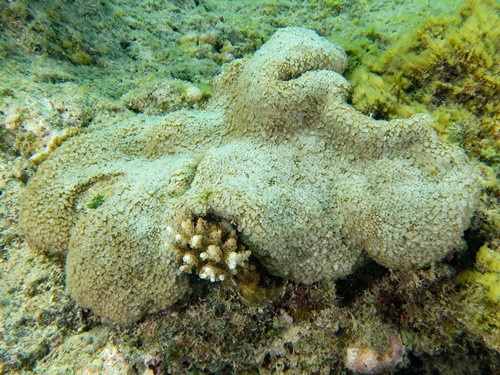
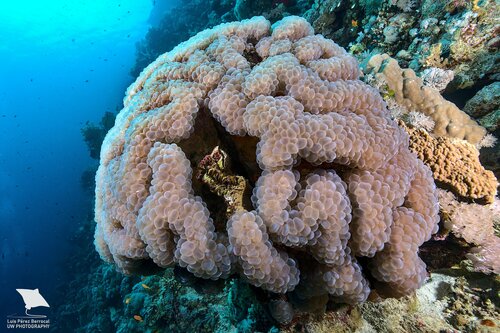
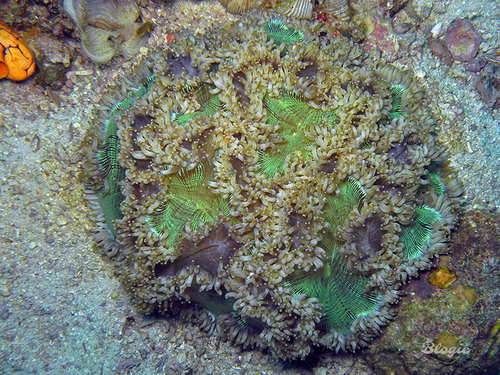
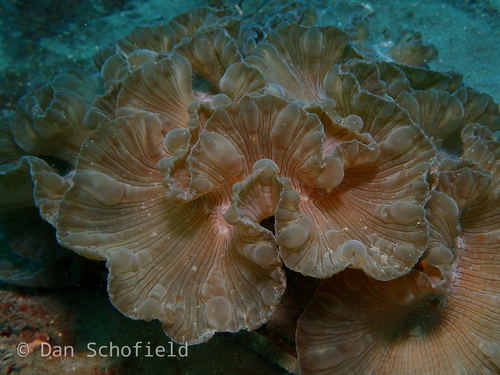
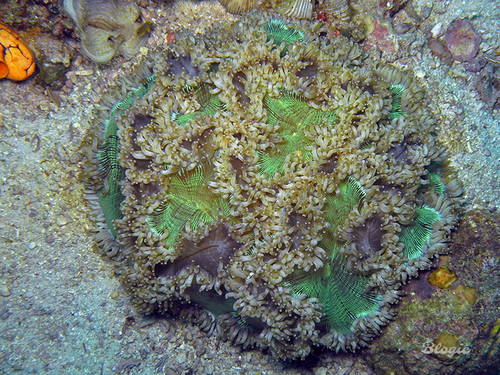
Elegance coral typically forms large, branching colonies that can reach up to 50 centimeters in diameter. Its fleshy, inflated tentacles are usually vibrant green, brown, or purple, adorned with contrasting tips that can glow under actinic lighting. These characteristics not only enhance its aesthetic appeal but also serve essential functions in capturing zooplankton and providing shelter to various marine organisms. The coral's polyps expand at night, creating a mesmerizing spectacle for observers.
In its natural habitat, the elegance coral thrives in shallow reefs where it benefits from adequate light and water flow. It prefers sandy substrates and can often be found in areas with moderate to strong currents that bring nutrient-rich waters. This coral is also known to engage in both a symbiotic relationship with zooxanthellae, which provide it with energy through photosynthesis, and heterotrophic feeding, capturing food particles from the surrounding water.
Elegance coral's unique behavior includes the ability to retract its tentacles during the day, minimizing predation risk while maximizing photosynthesis at optimal light levels. Additionally, it exhibits aggressive behavior towards neighboring corals, utilizing sweeper tentacles to defend its territory. This adaptability makes it a fascinating species to study and keep within aquariums, offering insights into coral ecology and health.
Elegance coral typically forms large, branching colonies that can reach up to 50 centimeters in diameter. Its fleshy, inflated tentacles are usually vibrant green, brown, or purple, adorned with contrasting tips that can glow under actinic lighting. These characteristics not only enhance its aesthetic appeal but also serve essential functions in capturing zooplankton and providing shelter to various marine organisms. The coral's polyps expand at night, creating a mesmerizing spectacle for observers.
In its natural habitat, the elegance coral thrives in shallow reefs where it benefits from adequate light and water flow. It prefers sandy substrates and can often be found in areas with moderate to strong currents that bring nutrient-rich waters. This coral is also known to engage in both a symbiotic relationship with zooxanthellae, which provide it with energy through photosynthesis, and heterotrophic feeding, capturing food particles from the surrounding water.
Elegance coral's unique behavior includes the ability to retract its tentacles during the day, minimizing predation risk while maximizing photosynthesis at optimal light levels. Additionally, it exhibits aggressive behavior towards neighboring corals, utilizing sweeper tentacles to defend its territory. This adaptability makes it a fascinating species to study and keep within aquariums, offering insights into coral ecology and health.
For successful cultivation of Catalaphyllia jardinei, maintaining optimal water parameters is crucial. The ideal temperature range is between 24°C to 28°C, with a salinity of 35 ppt. pH levels should remain stable between 8.1 and 8.4. It is essential to provide moderate water flow to prevent sediment buildup while ensuring sufficient light, preferably through moderate to high-intensity lighting systems.
Feeding elegance coral involves providing a mix of both particulate food and liquid coral food, ideally several times a week. This species benefits from regular feeding, particularly when it's not able to photosynthesize effectively due to insufficient light conditions. Compatibility with other corals is important; ensure that it is placed away from more aggressive corals to avoid territorial disputes.
Acclimation of elegance coral should be done slowly over a period of several hours to minimize stress. A quarantine period of 2-4 weeks is recommended before introducing it to the main display tank, allowing for observation of any signs of disease or stress. Regular monitoring for pests and ensuring a stable environment will help promote the health and longevity of this stunning coral.
Feeding elegance coral involves providing a mix of both particulate food and liquid coral food, ideally several times a week. This species benefits from regular feeding, particularly when it's not able to photosynthesize effectively due to insufficient light conditions. Compatibility with other corals is important; ensure that it is placed away from more aggressive corals to avoid territorial disputes.
Acclimation of elegance coral should be done slowly over a period of several hours to minimize stress. A quarantine period of 2-4 weeks is recommended before introducing it to the main display tank, allowing for observation of any signs of disease or stress. Regular monitoring for pests and ensuring a stable environment will help promote the health and longevity of this stunning coral.
Elegance coral is suitable for shipping, provided proper precautions are taken. It should be packed with care in secure, insulated containers to minimize temperature fluctuations. The recommended packing density is low to moderate to ensure adequate water flow and prevent physical damage. It's temperature sensitive, ideally shipped between 24°C and 28°C. As a CITES Appendix II species, export is regulated, requiring appropriate documentation for international trade.
Species Parameters
Max Adult Size
50.0 cm
Origin
Coral Triangle
Temp Min
24.0 °C
Temp Max
28.0 °C
Salinity Min
35.000
Salinity Max
35.000
pH Min
8.10
pH Max
8.40
Min Tank
200 L