CITES App. II
Green neon Frogspawn Branch
Euphyllia paradivisa
In Stock
Common stock
Aquacultured
Moderate care
Reef Safe ✓
SKU: CREUPHgree14
The Green neon Frogspawn Branch is a visually stunning coral, perfect for reef aquariums.
Pricing for Verified Importers
Log in to see wholesale prices and order.
Export Size
up to 30.0 cm
Origin
Coral Triangle
Temperature
24.0–28.0°C
Min. Tank Size
100 L
Salinity
1.023–1.025 ppt
pH
8.10–8.40
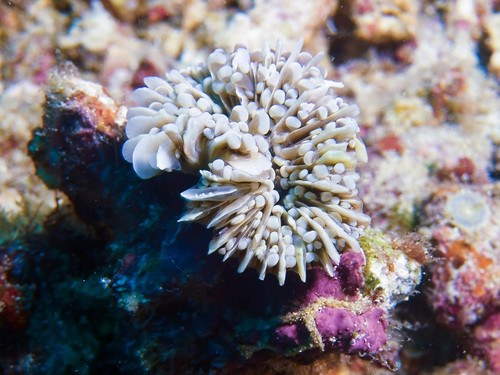
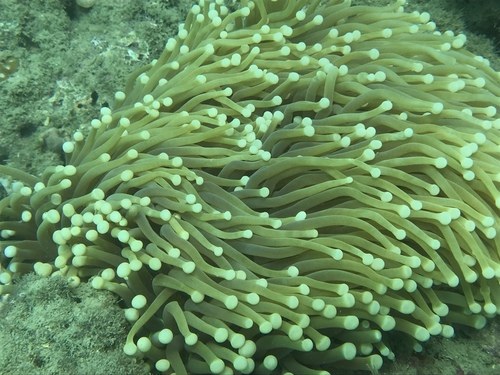
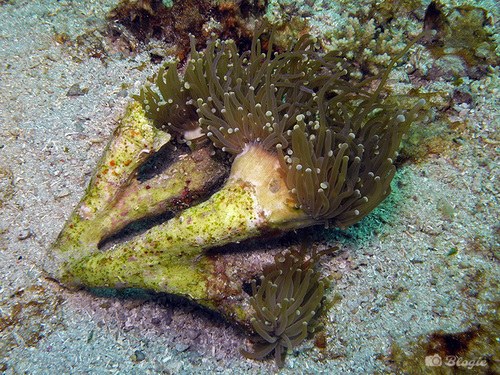
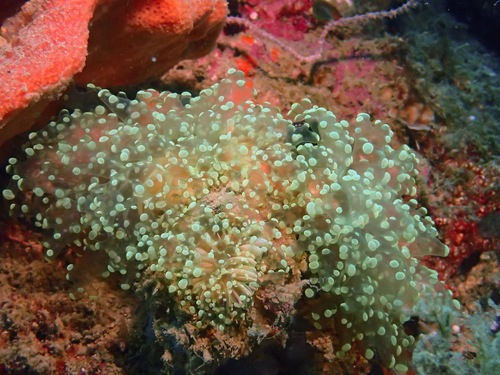
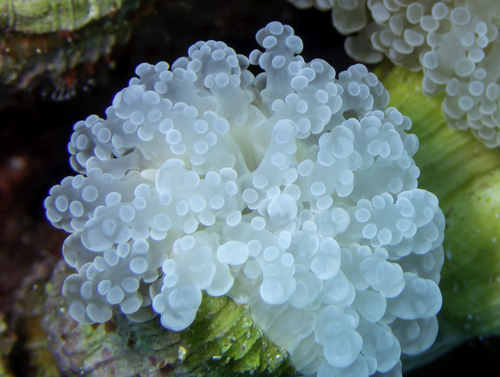
Euphyllia paradivisa, commonly known as the branching frogspawn coral, is a captivating member of the Euphylliidae family. This coral features a unique branching structure, setting it apart from its close relative, Euphyllia divisa, which has a wall-like formation. The branching frogspawn coral is characterized by its vibrant green coloration, which can create striking contrasts against other corals in a marine aquarium. Its large polyps extend outward, giving it a fluffy appearance that is both inviting and fascinating to observe.
In the wild, Euphyllia paradivisa inhabits diverse reef environments, often found in shallow waters where they benefit from ample sunlight. This species thrives in areas with moderate water movement, allowing for the optimal capture of plankton and nutrients. The coral is typically found in colonies, with individual polyps forming around a central skeleton. This communal living arrangement not only enhances their survival but also contributes to the overall stability of the reef ecosystem.
Behaviorally, branching frogspawn corals exhibit a degree of aggression towards neighboring corals, utilizing their sweeper tentacles to defend their territory. However, they can coexist peacefully with many other species when provided with adequate space. Euphyllia paradivisa has a remarkable ability to adapt to varying light conditions, making it a versatile addition to both novice and experienced aquarists' collections.
The green neon coloration of this species is the result of symbiotic relationships with zooxanthellae, single-celled algae that live within the coral's tissues. This relationship not only provides the coral with essential nutrients via photosynthesis but also enhances its vibrant appearance, making it a sought-after choice for ornamental aquariums.
In the wild, Euphyllia paradivisa inhabits diverse reef environments, often found in shallow waters where they benefit from ample sunlight. This species thrives in areas with moderate water movement, allowing for the optimal capture of plankton and nutrients. The coral is typically found in colonies, with individual polyps forming around a central skeleton. This communal living arrangement not only enhances their survival but also contributes to the overall stability of the reef ecosystem.
Behaviorally, branching frogspawn corals exhibit a degree of aggression towards neighboring corals, utilizing their sweeper tentacles to defend their territory. However, they can coexist peacefully with many other species when provided with adequate space. Euphyllia paradivisa has a remarkable ability to adapt to varying light conditions, making it a versatile addition to both novice and experienced aquarists' collections.
The green neon coloration of this species is the result of symbiotic relationships with zooxanthellae, single-celled algae that live within the coral's tissues. This relationship not only provides the coral with essential nutrients via photosynthesis but also enhances its vibrant appearance, making it a sought-after choice for ornamental aquariums.
To successfully care for Euphyllia paradivisa, maintaining stable water parameters is crucial. The ideal temperature range for this coral is between 24-28°C, with salinity levels around 1.023 to 1.025 ppt. The pH should be kept between 8.1 and 8.4 to support healthy growth. Providing moderate lighting, such as T5 or LED, along with gentle water flow will encourage optimal development of the polyps.
Feeding this coral involves a mix of direct food such as small meaty foods and plankton, supplemented by the natural nutrients derived from light through photosynthesis. Regular feedings, ideally 2-3 times a week, can enhance growth and coloration. Compatibility with other coral species is generally good, but it’s advisable to monitor interactions, as Euphyllia paradivisa can exhibit aggressive tendencies towards nearby corals.
When introducing this species to a new aquarium, a slow acclimation process over several hours is recommended to minimize stress. Quarantine for 2-4 weeks in a separate tank is advisable before introducing it to the main display to ensure it is free from pests and diseases. Regular monitoring and maintenance of water quality will support the long-term health of the coral.
Feeding this coral involves a mix of direct food such as small meaty foods and plankton, supplemented by the natural nutrients derived from light through photosynthesis. Regular feedings, ideally 2-3 times a week, can enhance growth and coloration. Compatibility with other coral species is generally good, but it’s advisable to monitor interactions, as Euphyllia paradivisa can exhibit aggressive tendencies towards nearby corals.
When introducing this species to a new aquarium, a slow acclimation process over several hours is recommended to minimize stress. Quarantine for 2-4 weeks in a separate tank is advisable before introducing it to the main display to ensure it is free from pests and diseases. Regular monitoring and maintenance of water quality will support the long-term health of the coral.
Euphyllia paradivisa is suitable for shipping due to its hardy nature, but care must be taken to minimize stress during transit. Packing density should allow for adequate space to prevent physical damage. The coral is sensitive to extreme temperature fluctuations, so maintaining a stable temperature between 24-28°C during shipping is essential. This species is not currently listed under CITES, simplifying export regulations.
Species Parameters
Max Adult Size
30.0 cm
Origin
Coral Triangle
Habitat
reef
Temp Min
24.0 °C
Temp Max
28.0 °C
Salinity Min
1.023
Salinity Max
1.025
pH Min
8.10
pH Max
8.40
Min Tank
100 L