CITES App. II
Halfire Torch Torch coral
Euphyllia glabrescens
In Stock
Common stock
Aquacultured
Moderate care
Reef Safe ✓
SKU: CREUPHhalf
The Halfire Torch coral captivates with its vibrant colors and dynamic tentacle movement.
Pricing for Verified Importers
Log in to see wholesale prices and order.
Export Size
up to 30.0 cm
Origin
Coral Triangle
Temperature
24.0–28.0°C
Min. Tank Size
200 L
Salinity
35.000–35.000 ppt
pH
8.10–8.40
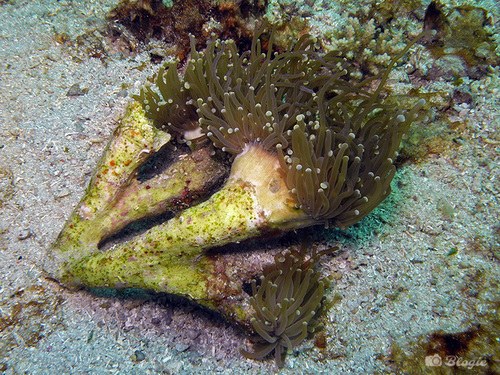
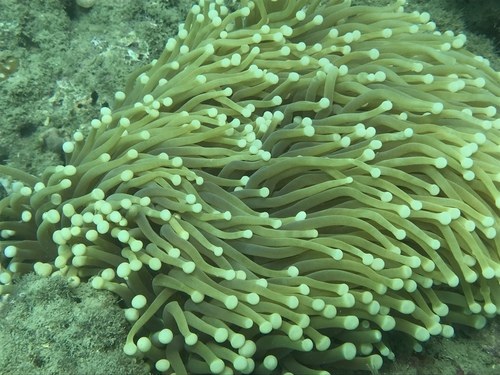
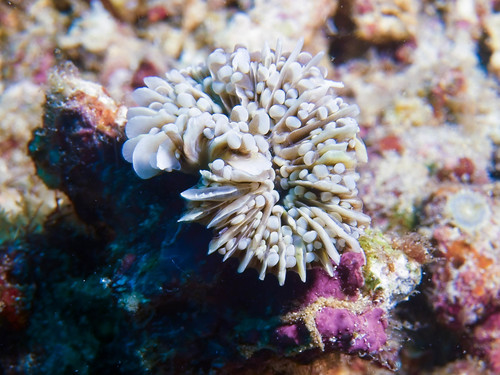
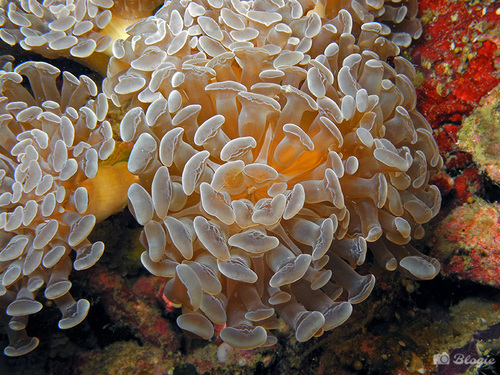
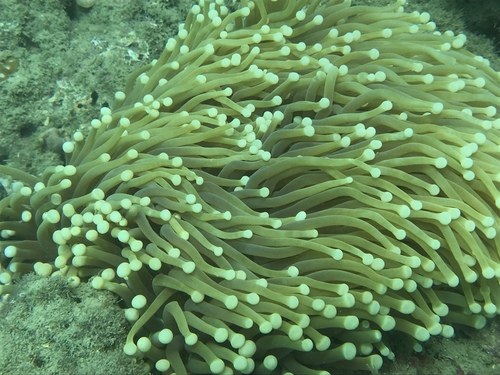
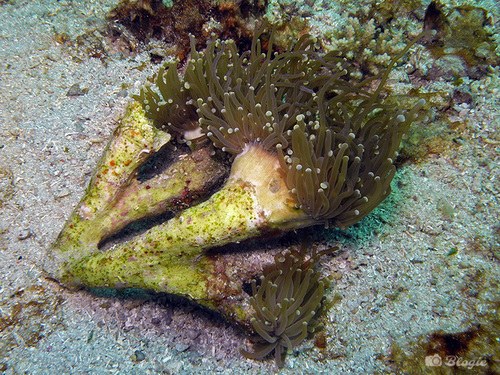
Euphyllia glabrescens, commonly known as the Halfire Torch coral, is a stunning species of large-polyped stony coral that belongs to the Euphylliidae family. This species is particularly prized in the aquarium trade for its unique appearance, characterized by elongated, flowing tentacles that can sway gracefully in the water. The tentacles are often tipped with striking colors, ranging from green to orange, which can create a breathtaking display in a marine setup. Found predominantly in the Coral Triangle, this coral thrives in warm, shallow waters where it can receive ample light and nutrients.
In its natural habitat, the Halfire Torch coral often forms colonies that can grow to considerable sizes, providing essential structure for marine ecosystems. This species plays a vital role in reef building and offers refuge to various marine organisms. Its long sweeper tentacles, equipped with potent cnidocytes, are not only visually appealing but also serve a functional purpose, helping to deter predators and compete for space against other corals.
Behaviorally, Euphyllia glabrescens exhibits a symbiotic relationship with zooxanthellae, which are photosynthetic algae that live within its tissues. This relationship allows the coral to derive energy from sunlight, making it partially photosynthetic. However, it can also capture planktonic food, showcasing its adaptability. The Halfire Torch coral typically exhibits a peaceful demeanor, making it compatible with many other marine species, though caution should be taken when placed near aggressive corals.
This coral species is commonly exported from regions like Indonesia, where sustainable practices are in place to meet the demands of the aquarium trade without depleting natural populations. The Halfire Torch coral is not only a beautiful addition to any aquarium but also a crucial species for maintaining the health and biodiversity of coral reef ecosystems.
In its natural habitat, the Halfire Torch coral often forms colonies that can grow to considerable sizes, providing essential structure for marine ecosystems. This species plays a vital role in reef building and offers refuge to various marine organisms. Its long sweeper tentacles, equipped with potent cnidocytes, are not only visually appealing but also serve a functional purpose, helping to deter predators and compete for space against other corals.
Behaviorally, Euphyllia glabrescens exhibits a symbiotic relationship with zooxanthellae, which are photosynthetic algae that live within its tissues. This relationship allows the coral to derive energy from sunlight, making it partially photosynthetic. However, it can also capture planktonic food, showcasing its adaptability. The Halfire Torch coral typically exhibits a peaceful demeanor, making it compatible with many other marine species, though caution should be taken when placed near aggressive corals.
This coral species is commonly exported from regions like Indonesia, where sustainable practices are in place to meet the demands of the aquarium trade without depleting natural populations. The Halfire Torch coral is not only a beautiful addition to any aquarium but also a crucial species for maintaining the health and biodiversity of coral reef ecosystems.
For optimal care of Euphyllia glabrescens, maintaining stable water parameters is crucial. Ideal conditions include a temperature range of 24-28°C, salinity between 1.023-1.025 ppt, and a pH level of 8.1-8.4. Regular testing of water quality is essential to ensure that these parameters remain stable. The Halfire Torch coral benefits from moderate to strong lighting, as well as moderate water flow. This allows the coral's tentacles to extend fully and capture both light and food efficiently.
Feeding the Halfire Torch coral involves providing a mix of high-quality coral foods and small particulate foods. It can also benefit from the occasional addition of zooplankton or brine shrimp. While it primarily relies on photosynthesis, supplemental feeding can enhance its growth and color vibrancy, especially in lower-light conditions. Compatibility is generally good with other non-aggressive corals, but it's advisable to monitor interactions with more aggressive species to prevent potential harm.
Acclimating newly imported specimens involves a slow drip acclimation process, allowing the coral to adjust gradually to the new water conditions. Quarantine is recommended to monitor for pests or diseases before introducing it to a display tank. This practice helps ensure the health of both the new coral and the existing tank inhabitants.
Feeding the Halfire Torch coral involves providing a mix of high-quality coral foods and small particulate foods. It can also benefit from the occasional addition of zooplankton or brine shrimp. While it primarily relies on photosynthesis, supplemental feeding can enhance its growth and color vibrancy, especially in lower-light conditions. Compatibility is generally good with other non-aggressive corals, but it's advisable to monitor interactions with more aggressive species to prevent potential harm.
Acclimating newly imported specimens involves a slow drip acclimation process, allowing the coral to adjust gradually to the new water conditions. Quarantine is recommended to monitor for pests or diseases before introducing it to a display tank. This practice helps ensure the health of both the new coral and the existing tank inhabitants.
The Halfire Torch coral is suitable for shipping due to its resilience, but care must be taken to maintain appropriate temperature and water quality during transport. Packing should allow for adequate water movement while preventing damage to the tentacles. Ideal shipping temperatures range from 24-26°C, and it should be shipped in insulated boxes with oxygen supplementation. CITES status is not applicable for this species, allowing for easier trade.
Species Parameters
Max Adult Size
30.0 cm
Origin
Coral Triangle
Habitat
reef
Temp Min
24.0 °C
Temp Max
28.0 °C
Salinity Min
35.000
Salinity Max
35.000
pH Min
8.10
pH Max
8.40
Min Tank
200 L