CITES App. II
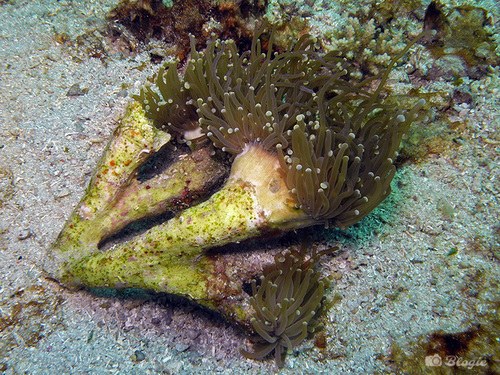
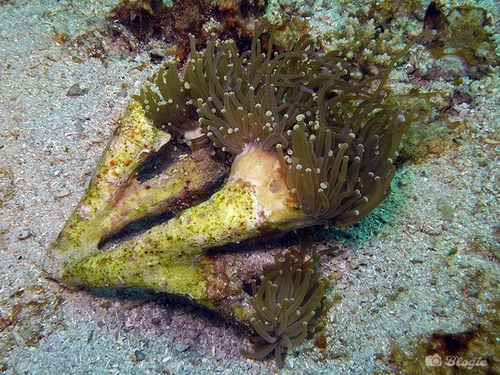
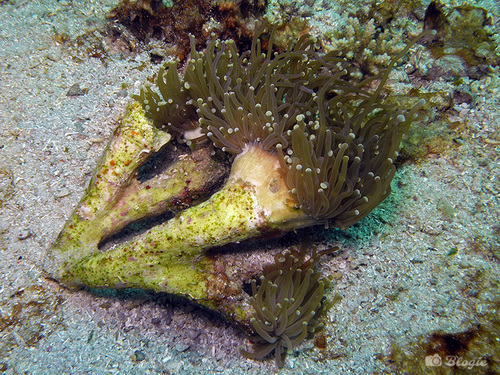
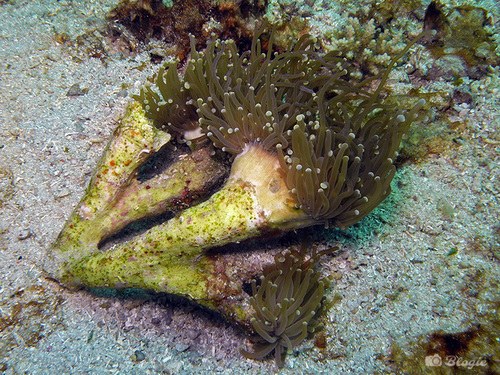
Hollygray A (one Head) Torch coral
Euphyllia glabrescens
In Stock
Common stock
Aquacultured
Moderate care
Reef Safe ✓
SKU: CREUPHholl
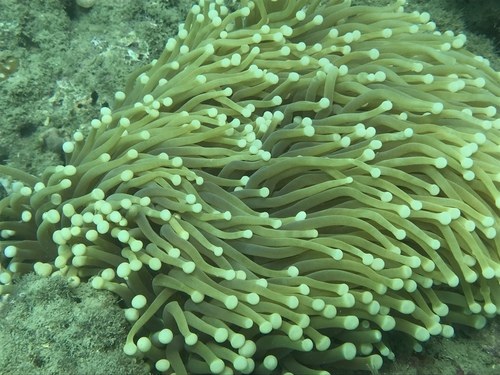
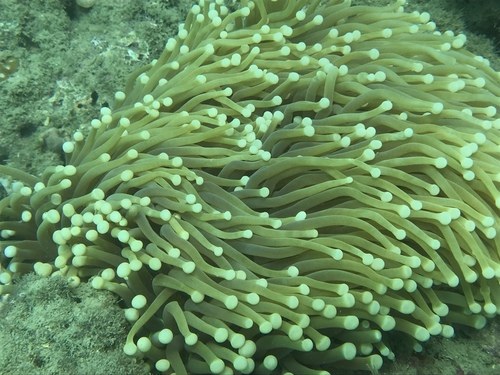
The Hollygray A Torch coral captivates with its vibrant colors and unique tentacle structure.
Pricing for Verified Importers
Log in to see wholesale prices and order.
Export Size
up to 30.0 cm
Origin
Indo-Pacific
Temperature
24.0–28.0°C
Min. Tank Size
100 L
Salinity
35.000–35.000 ppt
pH
8.10–8.40
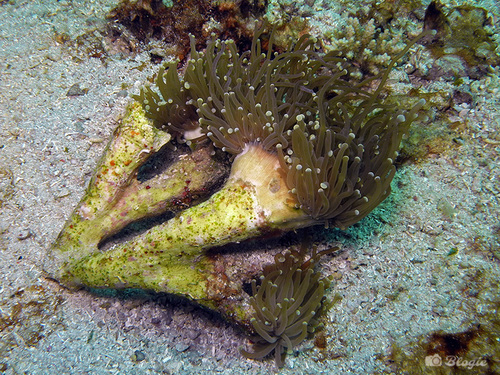
Euphyllia glabrescens, commonly known as the torch coral, is renowned for its distinctive long, sweeping tentacles that resemble flames, making it a striking addition to any marine aquarium. This species is part of the Euphylliidae family and is characterized by its large polyps, which can expand significantly when healthy and well-cared for. The torch coral exhibits a range of colors, often displaying a combination of greens, yellows, and blues that add vibrancy to reef tanks.
In their natural habitat, torch corals are typically found in shallow waters of the Indo-Pacific region, thriving on coral reefs where they can receive ample sunlight. They often form colonies, but each individual coral can also thrive as a solitary specimen. Torch corals are known for their aggressive behavior, using their long sweeper tentacles to defend their territory against intruders, which can be a consideration when planning community tanks.
Behaviorally, torch corals are nocturnal feeders, extending their tentacles at night to capture plankton and small fish. This feeding strategy helps them supplement their energy needs, as they also rely on photosynthesis from the symbiotic zooxanthellae algae residing within their tissues. Understanding the balance between their feeding and light requirements is essential for maintaining their health in captivity.
Torch corals can also adapt to various environmental conditions, but they prefer steady water flow and good lighting, which are crucial for their growth and coloration. Fostering a stable environment simulating their natural habitat is key to successful cultivation in aquariums.
In their natural habitat, torch corals are typically found in shallow waters of the Indo-Pacific region, thriving on coral reefs where they can receive ample sunlight. They often form colonies, but each individual coral can also thrive as a solitary specimen. Torch corals are known for their aggressive behavior, using their long sweeper tentacles to defend their territory against intruders, which can be a consideration when planning community tanks.
Behaviorally, torch corals are nocturnal feeders, extending their tentacles at night to capture plankton and small fish. This feeding strategy helps them supplement their energy needs, as they also rely on photosynthesis from the symbiotic zooxanthellae algae residing within their tissues. Understanding the balance between their feeding and light requirements is essential for maintaining their health in captivity.
Torch corals can also adapt to various environmental conditions, but they prefer steady water flow and good lighting, which are crucial for their growth and coloration. Fostering a stable environment simulating their natural habitat is key to successful cultivation in aquariums.
To ensure optimal health for Euphyllia glabrescens, maintaining stable water parameters is crucial. Ideal temperature ranges from 24°C to 28°C, with a salinity between 1.020 and 1.025 ppt. The pH should be kept between 8.1 and 8.4. Providing adequate lighting is essential, as torch corals thrive under moderate to high light conditions, preferably using LED or metal halide systems to mimic their natural habitat.
Feeding should be done several times a week with a mixture of high-quality marine pellets, frozen foods, and occasional feedings of plankton or small mysis shrimp. Compatibility is important; torch corals can be aggressive towards neighboring corals, so it is advisable to provide ample space between them and other species. They do well with peaceful fish species but can be stressed by overly aggressive tank mates.
Acclimation should be done gradually, ideally over a few hours, to minimize stress. Quarantine new specimens for at least two weeks before introducing them into the main tank to monitor for any signs of disease or stress. Regular water changes and monitoring of water quality will help maintain a healthy environment for these corals.
Feeding should be done several times a week with a mixture of high-quality marine pellets, frozen foods, and occasional feedings of plankton or small mysis shrimp. Compatibility is important; torch corals can be aggressive towards neighboring corals, so it is advisable to provide ample space between them and other species. They do well with peaceful fish species but can be stressed by overly aggressive tank mates.
Acclimation should be done gradually, ideally over a few hours, to minimize stress. Quarantine new specimens for at least two weeks before introducing them into the main tank to monitor for any signs of disease or stress. Regular water changes and monitoring of water quality will help maintain a healthy environment for these corals.
The Hollygray A Torch coral is suitable for shipping due to its robustness, but care must be taken to maintain temperature stability during transit, ideally between 24°C and 28°C. Packing density should allow for adequate water circulation to prevent stress. CITES status is not applicable, ensuring smoother export processes for wholesalers and importers.
Species Parameters
Max Adult Size
30.0 cm
Origin
Indo-Pacific
Habitat
reef
Temp Min
24.0 °C
Temp Max
28.0 °C
Salinity Min
35.000
Salinity Max
35.000
pH Min
8.10
pH Max
8.40
Min Tank
100 L