CITES App. II
Yellow Grape Coral
Euphyllia cristata
In Stock
Common stock
Aquacultured
Moderate care
Reef Safe ✓
SKU: CREUPHyell2
Discover the unique allure of Yellow Grape Coral, a captivating addition to any marine aquarium.
Pricing for Verified Importers
Log in to see wholesale prices and order.
Export Size
up to 30.0 cm
Origin
Indo-Pacific
Temperature
24.0–28.0°C
Min. Tank Size
100 L
Salinity
35.000–35.000 ppt
pH
8.10–8.40
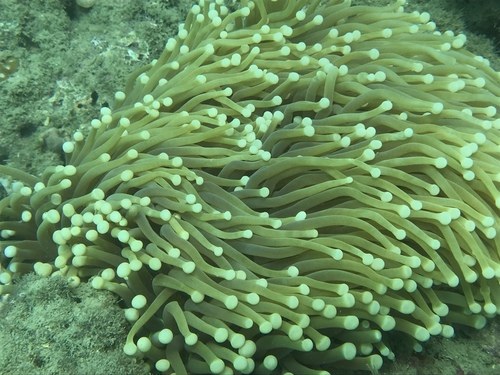
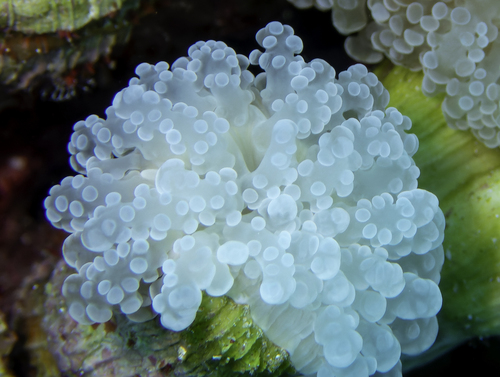
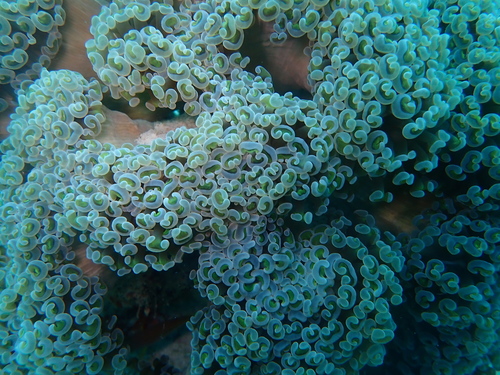
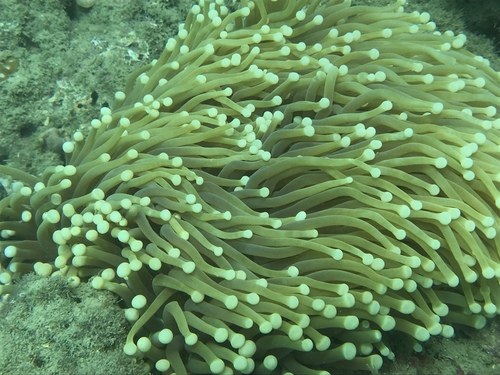
Euphyllia cristata, commonly known as Yellow Grape Coral, is a stunning species belonging to the Euphylliidae family and the Scleractinia order. This hard coral is widely distributed across the tropical waters of the Indo-West Pacific, with a notable presence in Indonesia. What sets this species apart is its slightly lower abundance compared to other corals, making it a more unique find for collectors and aquarists alike. Typically, E. cristata can be found in shallow waters at depths ranging from 1 to 35 meters, where it thrives in a variety of substrates.
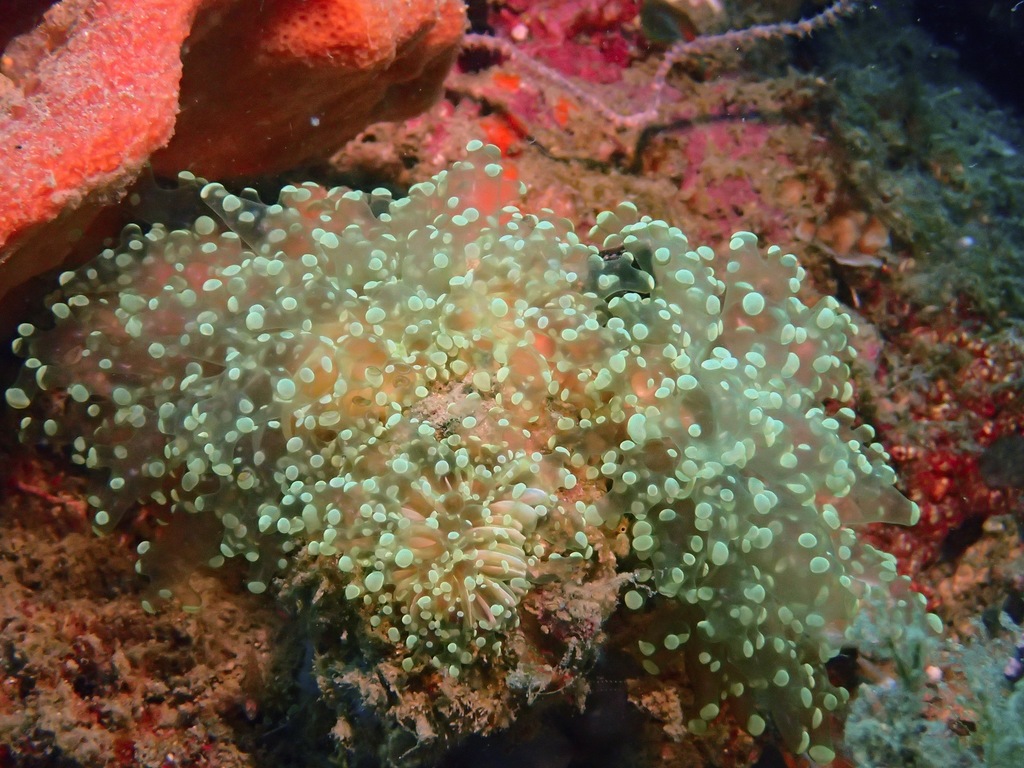
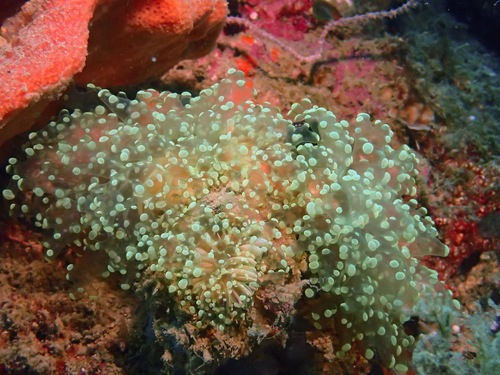
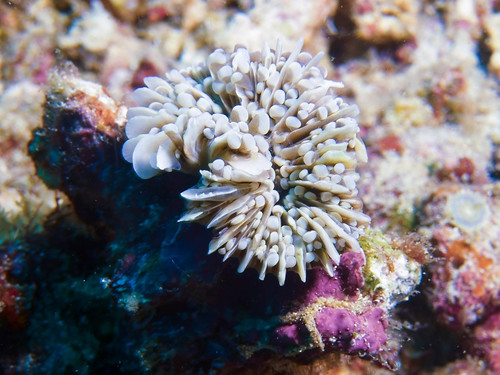
Yellow Grape Coral exhibits a distinctive appearance with its grape-like polyps that can vary in color, often showcasing vibrant yellow hues. These polyps are known for their fleshy, bulbous tips, which contribute to the coral's overall aesthetic appeal. The coral has a branching structure that allows it to capture light efficiently, making it a visually striking specimen in aquarium displays. Its unique morphology not only enhances its beauty but also plays a vital role in its ecological niche, providing habitat and shelter for various marine species.
In terms of behavior, Euphyllia cristata is generally peaceful and can coexist with a variety of other marine life, including fish and invertebrates. However, it is essential to monitor its interactions, as it may exhibit aggressive tendencies towards similar species. The coral feeds primarily through photosynthesis, utilizing the symbiotic algae living in its tissues, while also benefiting from filtered food particles in the water column. This dual feeding strategy makes it adaptable to different environmental conditions.
Habitat-wise, Yellow Grape Coral prefers well-lit areas with moderate water flow, which allows for optimal photosynthesis and nutrient uptake. It can often be found in coral reefs and lagoons where it plays a crucial role in maintaining the ecological balance. As a species that contributes significantly to reef structures, E. cristata is an essential component of coral ecosystems, making its preservation vital for marine biodiversity.
Yellow Grape Coral exhibits a distinctive appearance with its grape-like polyps that can vary in color, often showcasing vibrant yellow hues. These polyps are known for their fleshy, bulbous tips, which contribute to the coral's overall aesthetic appeal. The coral has a branching structure that allows it to capture light efficiently, making it a visually striking specimen in aquarium displays. Its unique morphology not only enhances its beauty but also plays a vital role in its ecological niche, providing habitat and shelter for various marine species.
In terms of behavior, Euphyllia cristata is generally peaceful and can coexist with a variety of other marine life, including fish and invertebrates. However, it is essential to monitor its interactions, as it may exhibit aggressive tendencies towards similar species. The coral feeds primarily through photosynthesis, utilizing the symbiotic algae living in its tissues, while also benefiting from filtered food particles in the water column. This dual feeding strategy makes it adaptable to different environmental conditions.
Habitat-wise, Yellow Grape Coral prefers well-lit areas with moderate water flow, which allows for optimal photosynthesis and nutrient uptake. It can often be found in coral reefs and lagoons where it plays a crucial role in maintaining the ecological balance. As a species that contributes significantly to reef structures, E. cristata is an essential component of coral ecosystems, making its preservation vital for marine biodiversity.
For successful cultivation of Yellow Grape Coral, maintaining optimal water parameters is crucial. The ideal temperature range for E. cristata is between 24°C to 28°C, with a salinity level of 35 ppt. The pH should be maintained between 8.1 and 8.4 to promote healthy growth. It is advisable to provide a minimum tank size of 100 liters to ensure adequate space for growth and stability.
Feeding this coral involves a combination of quality marine flakes, pellets, and zooplankton, supplemented with regular light exposure to support its photosynthetic needs. Compatibility with other marine species is generally favorable, but caution should be exercised around aggressive corals or fish that may harm it. Acclimation should be gradual, allowing the coral to adjust to new water conditions over several hours.
Quarantine is recommended before introducing Yellow Grape Coral into a display tank to prevent the spread of potential pests or diseases. Monitoring water quality during this period is essential to ensure a smooth transition. By providing proper care and attention, importers and retailers can successfully enhance the longevity and health of this beautiful coral species in their aquariums.
Feeding this coral involves a combination of quality marine flakes, pellets, and zooplankton, supplemented with regular light exposure to support its photosynthetic needs. Compatibility with other marine species is generally favorable, but caution should be exercised around aggressive corals or fish that may harm it. Acclimation should be gradual, allowing the coral to adjust to new water conditions over several hours.
Quarantine is recommended before introducing Yellow Grape Coral into a display tank to prevent the spread of potential pests or diseases. Monitoring water quality during this period is essential to ensure a smooth transition. By providing proper care and attention, importers and retailers can successfully enhance the longevity and health of this beautiful coral species in their aquariums.
Yellow Grape Coral is suitable for shipping under controlled conditions. It is recommended to pack the coral with sufficient water and cushioning to prevent damage during transit. The ideal shipping temperature should be maintained between 22°C to 26°C to minimize stress. This species is not listed under CITES, allowing for easier export regulations.
Species Parameters
Max Adult Size
30.0 cm
Origin
Indo-Pacific
Habitat
reef
Temp Min
24.0 °C
Temp Max
28.0 °C
Salinity Min
35.000
Salinity Max
35.000
pH Min
8.10
pH Max
8.40
Min Tank
100 L