CITES App. II
Yellow Grape Coral
Euphyllia cristata
In Stock
Common stock
Aquacultured
Experienced care
Reef Safe ✓
SKU: ML-HC-0061
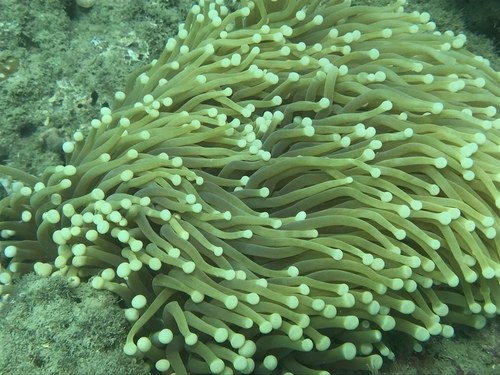
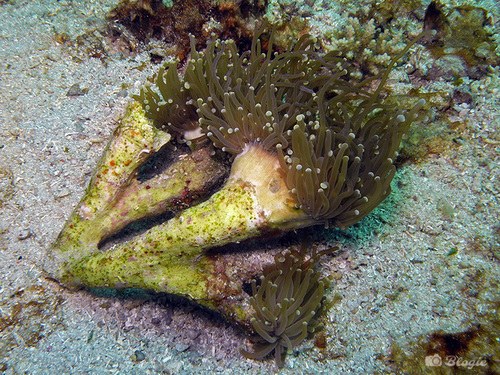
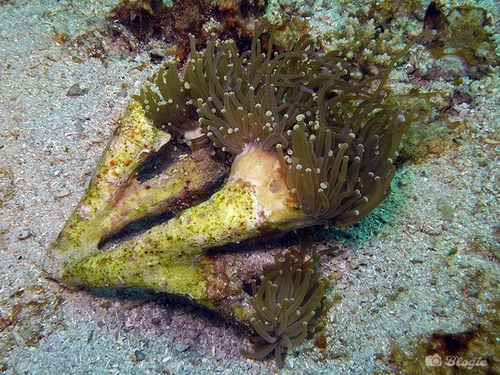
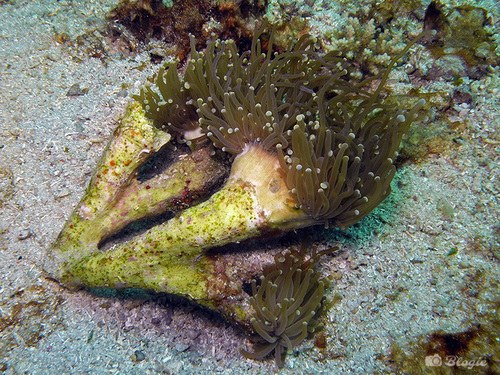
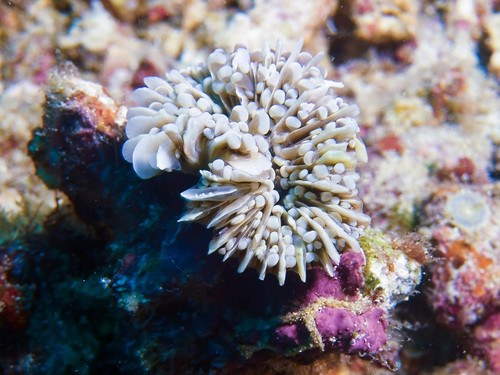
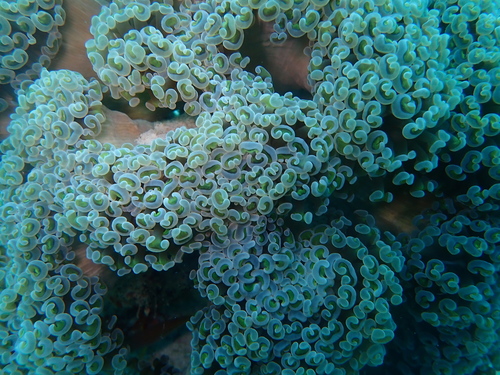
The Yellow Grape Coral is a stunning addition to any marine aquarium, known for its unique grape-like polyps.
Pricing for Verified Importers
Log in to see wholesale prices and order.
Export Size
up to 30.0 cm
Origin
Indo-Pacific
Temperature
24.0–28.0°C
Min. Tank Size
150 L
Salinity
32.000–35.000 ppt
pH
8.10–8.40
Euphyllia cristata, commonly referred to as the Yellow Grape Coral, is a fascinating stony coral belonging to the family Euphylliidae. This species is predominantly found in the tropical waters of the Indo-West Pacific, with a significant population in Indonesia. Despite its wide distribution, E. cristata is relatively less abundant than other coral species, making it a unique find for aquarium enthusiasts. Typically, these corals inhabit shallow environments ranging from 1 to 35 meters deep, often thriving in lagoons and reef slopes where they can benefit from ample light and water movement.
The Yellow Grape Coral is characterized by its distinctive grape-like clusters of polyps that are vibrant yellow in color, providing a striking contrast against the blues of the ocean. Each polyp can retract into the skeletal structure, offering a dynamic display as they expand and contract. In terms of behavior, E. cristata is known to exhibit a symbiotic relationship with zooxanthellae, microscopic algae that live within its tissues, aiding in photosynthesis and providing essential nutrients to the coral.
In their natural habitat, these corals play a significant role in the reef ecosystem, contributing to calcium carbonate production and providing shelter for various marine organisms. They can also engage in aggressive interactions with neighboring corals through the release of mesenterial filaments to compete for space and resources. Their social structure is complex, as they form colonies that can grow quite large over time, showcasing both individual and collective behaviors.
Due to their beauty and relatively rare occurrence, Yellow Grape Corals have become increasingly popular among marine aquarists. However, their specific habitat requirements necessitate careful consideration when introducing them to aquarium environments to ensure their long-term health and vitality.
The Yellow Grape Coral is characterized by its distinctive grape-like clusters of polyps that are vibrant yellow in color, providing a striking contrast against the blues of the ocean. Each polyp can retract into the skeletal structure, offering a dynamic display as they expand and contract. In terms of behavior, E. cristata is known to exhibit a symbiotic relationship with zooxanthellae, microscopic algae that live within its tissues, aiding in photosynthesis and providing essential nutrients to the coral.
In their natural habitat, these corals play a significant role in the reef ecosystem, contributing to calcium carbonate production and providing shelter for various marine organisms. They can also engage in aggressive interactions with neighboring corals through the release of mesenterial filaments to compete for space and resources. Their social structure is complex, as they form colonies that can grow quite large over time, showcasing both individual and collective behaviors.
Due to their beauty and relatively rare occurrence, Yellow Grape Corals have become increasingly popular among marine aquarists. However, their specific habitat requirements necessitate careful consideration when introducing them to aquarium environments to ensure their long-term health and vitality.
For successful care of Euphyllia cristata, maintaining optimal water parameters is crucial. Ideal temperature ranges from 24°C to 28°C, with salinity levels between 32 to 35 ppt. The pH should be maintained between 8.1 and 8.4. A minimum tank size of 150 liters is recommended to provide ample space for growth and stability.
Feeding E. cristata involves a combination of photosynthesis and direct feeding. While they primarily rely on the photosynthetic capabilities of their symbiotic algae, providing them with supplemental feed such as micro-plankton or coral-specific foods can enhance their health and vibrancy. When it comes to compatibility, Yellow Grape Corals are best kept with other peaceful coral species to avoid aggressive interactions.
Acclimation is essential to reduce stress during the introduction to a new environment. It is advisable to drip acclimate the coral over several hours. Additionally, a quarantine period of at least two weeks is recommended to monitor for pests or diseases before adding them to the main display tank.
Feeding E. cristata involves a combination of photosynthesis and direct feeding. While they primarily rely on the photosynthetic capabilities of their symbiotic algae, providing them with supplemental feed such as micro-plankton or coral-specific foods can enhance their health and vibrancy. When it comes to compatibility, Yellow Grape Corals are best kept with other peaceful coral species to avoid aggressive interactions.
Acclimation is essential to reduce stress during the introduction to a new environment. It is advisable to drip acclimate the coral over several hours. Additionally, a quarantine period of at least two weeks is recommended to monitor for pests or diseases before adding them to the main display tank.
Yellow Grape Corals are suitable for air freight shipping with proper packing. It is crucial to maintain stable temperatures between 24°C and 28°C during transport. Packing density should allow for adequate water circulation and minimize stress. E. cristata is not listed under CITES, but adherence to local regulations is necessary.
Species Parameters
Max Adult Size
30.0 cm
Origin
Indo-Pacific
Temp Min
24.0 °C
Temp Max
28.0 °C
Salinity Min
32.000
Salinity Max
35.000
pH Min
8.10
pH Max
8.40
Min Tank
150 L