CITES App. II
Black Sun Coral
Dendrophyllia fistula
In Stock
Common stock
Aquacultured
Easy care
Reef Safe ✓
SKU: CRDENDblac
Discover the captivating beauty of Black Sun Coral, a unique addition to any marine aquarium.
Pricing for Verified Importers
Log in to see wholesale prices and order.
Origin
Coral Triangle
Temperature
24.0–28.0°C
Min. Tank Size
100 L
Salinity
1.020–1.025 ppt
pH
8.10–8.40
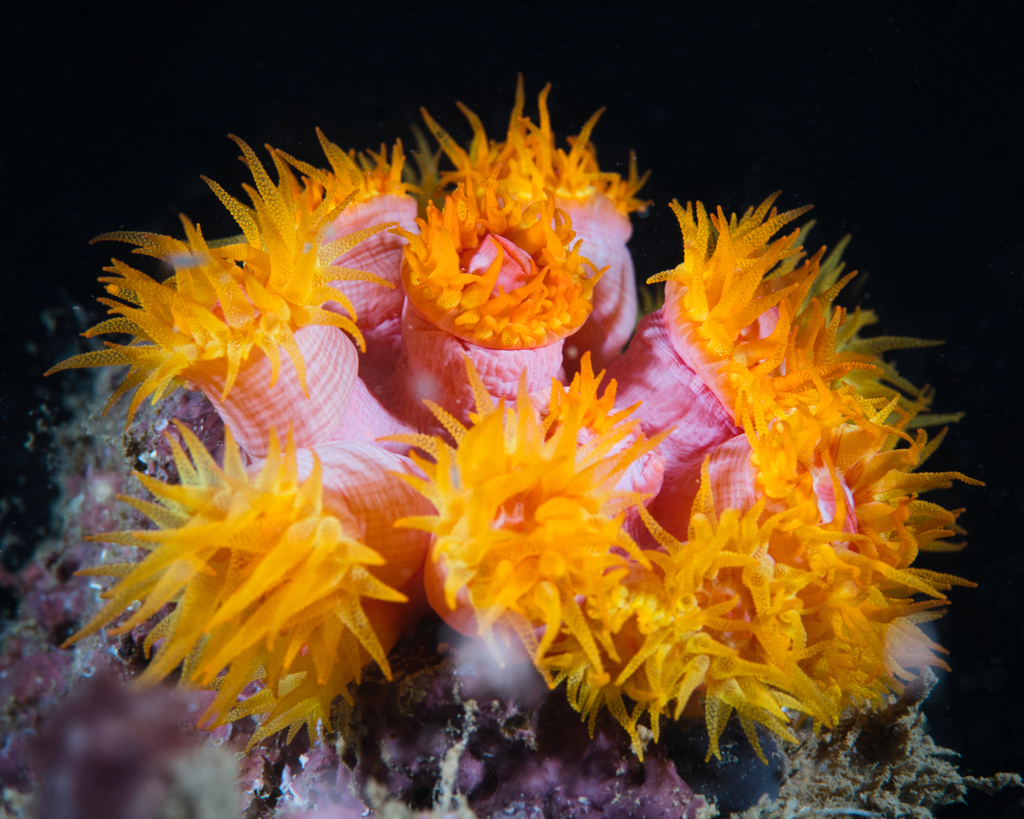
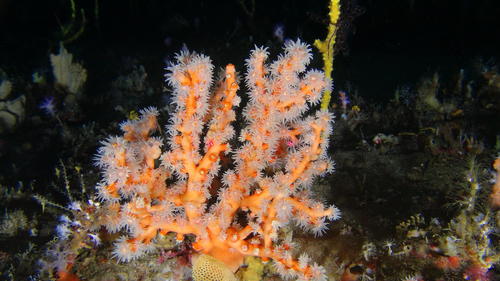
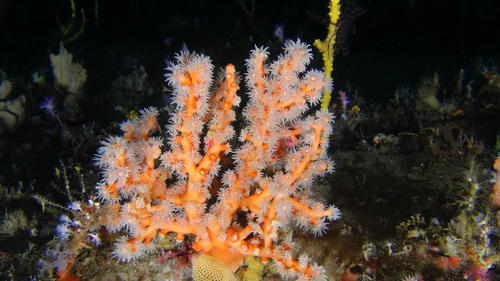
Black Sun Coral (Dendrophyllia fistula) is a fascinating species known for its striking appearance and nocturnal behavior. Unlike many other corals, this species is not photosynthetic, relying instead on capturing plankton and small organisms from the water column. Its vibrant, yellow-orange polyps stand out starkly against its dark skeletal base, creating a stunning visual effect in any reef tank. This coral thrives in various marine environments, showcasing its adaptability and resilience.
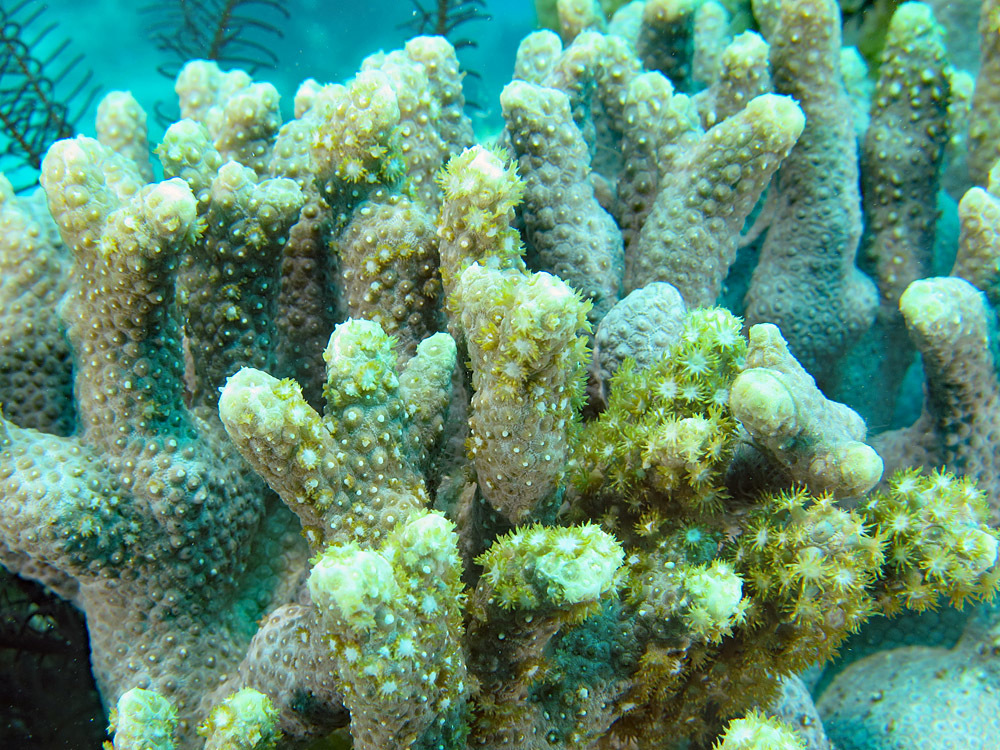
In the wild, Black Sun Coral is typically found in deeper waters of the coral reefs, where it can benefit from the steady flow of nutrients in the water. Its habitat ranges from the Coral Triangle to other Indo-Pacific regions, where it forms small clusters on rocky substrates. The colonial structure of this coral allows it to grow into bush-like formations, providing shelter and habitat for various marine organisms.
Behaviorally, Black Sun Coral is most active during the night, extending its polyps to feed. This nocturnal feeding strategy makes it a unique species among corals, as it relies heavily on the availability of zooplankton and other small marine organisms. Its feeding habits also contribute to the overall health of the reef ecosystem by filtering water and removing excess nutrients.
The Black Sun Coral is not only striking in appearance but also plays a vital role in its ecosystem. Its ability to thrive in low-light conditions makes it a valuable addition to deeper or shaded aquarium settings, providing both aesthetic appeal and ecological benefits.
In the wild, Black Sun Coral is typically found in deeper waters of the coral reefs, where it can benefit from the steady flow of nutrients in the water. Its habitat ranges from the Coral Triangle to other Indo-Pacific regions, where it forms small clusters on rocky substrates. The colonial structure of this coral allows it to grow into bush-like formations, providing shelter and habitat for various marine organisms.
Behaviorally, Black Sun Coral is most active during the night, extending its polyps to feed. This nocturnal feeding strategy makes it a unique species among corals, as it relies heavily on the availability of zooplankton and other small marine organisms. Its feeding habits also contribute to the overall health of the reef ecosystem by filtering water and removing excess nutrients.
The Black Sun Coral is not only striking in appearance but also plays a vital role in its ecosystem. Its ability to thrive in low-light conditions makes it a valuable addition to deeper or shaded aquarium settings, providing both aesthetic appeal and ecological benefits.
To successfully care for Black Sun Coral, maintaining optimal water parameters is critical. Ideal temperature ranges from 24°C to 28°C, with salinity levels between 1.020 and 1.025 ppt. The pH should be maintained between 8.1 and 8.4 to ensure a healthy environment. This species requires a minimum tank size of 100 liters to accommodate its growth and feeding habits.
Feeding Black Sun Coral involves offering a diet rich in zooplankton, which can be provided through specialized coral foods or live feeds. It is essential to feed this coral several times a week, especially during its nocturnal feeding hours. Compatibility with other tank inhabitants is generally good, but care should be taken to avoid aggressive species that may harm or outcompete it for resources.
Acclimation should be gradual to minimize stress; floating the coral in the bag for 15-20 minutes to equalize temperature, followed by slowly introducing tank water, is recommended. Quarantine is advised to prevent the introduction of diseases or pests into the main tank, especially if sourced from different suppliers. Regular monitoring of water quality and coral health will ensure the longevity and vibrancy of this captivating species.
Feeding Black Sun Coral involves offering a diet rich in zooplankton, which can be provided through specialized coral foods or live feeds. It is essential to feed this coral several times a week, especially during its nocturnal feeding hours. Compatibility with other tank inhabitants is generally good, but care should be taken to avoid aggressive species that may harm or outcompete it for resources.
Acclimation should be gradual to minimize stress; floating the coral in the bag for 15-20 minutes to equalize temperature, followed by slowly introducing tank water, is recommended. Quarantine is advised to prevent the introduction of diseases or pests into the main tank, especially if sourced from different suppliers. Regular monitoring of water quality and coral health will ensure the longevity and vibrancy of this captivating species.
Black Sun Coral is suitable for shipping with proper packing techniques to maintain optimal conditions. It should be packed with adequate cushioning and moisture retention to prevent desiccation. Temperature sensitivity requires careful monitoring during transit, ideally keeping the temperature between 24°C to 28°C. As a coral species, it is not listed under CITES but still requires responsible handling and compliance with local regulations to ensure sustainability.
Species Parameters
Origin
Coral Triangle
Habitat
reef
Temp Min
24.0 °C
Temp Max
28.0 °C
Salinity Min
1.020
Salinity Max
1.025
pH Min
8.10
pH Max
8.40
Min Tank
100 L