CITES App. II
Green Plate Coral
Heliofungia actiniformis
In Stock
Common stock
Maricultured
Experienced care
Reef Safe ✓
SKU: CB-HC-0055
The Green Plate Coral, a stunning solitary coral, adds vibrant color to any reef aquarium.
Pricing for Verified Importers
Log in to see wholesale prices and order.
Export Size
up to 30.0 cm
Origin
Indo-Pacific
Temperature
24.0–28.0°C
Min. Tank Size
100 L
Salinity
32.000–35.000 ppt
pH
8.10–8.40
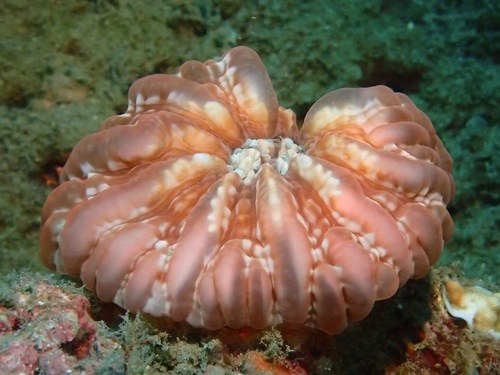
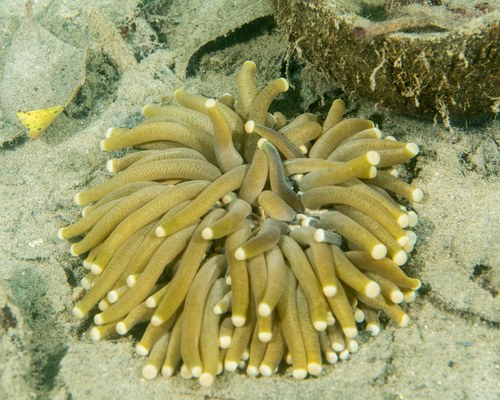
Heliofungia actiniformis, commonly known as the Green Plate Coral, is a remarkable species of mushroom coral that belongs to the Fungiidae family. This coral is primarily found in shallow waters across the Indo-Pacific region, thriving on sandy substrates and reef flats. As a zooxanthellate organism, it engages in a symbiotic relationship with photosynthetic algae, which contribute to its vibrant green coloration and energy needs. This species is not only visually striking but also plays a critical role in the ecosystem by providing habitat and shelter for various marine organisms.
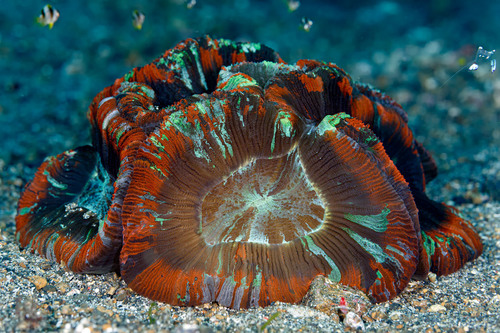
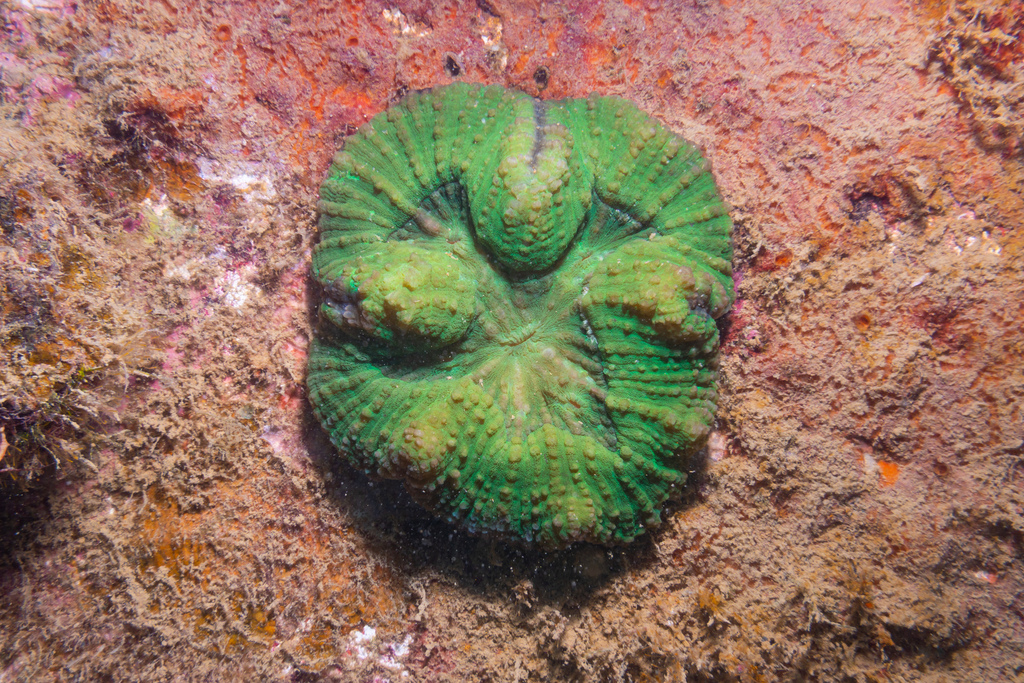
The Green Plate Coral features a distinctive, flat, and plate-like structure that can grow up to 30 cm in diameter. Its surface is adorned with large, fleshy polyps that extend during the day, capturing sunlight and nutrients from the water. The coloration can vary from bright green to brown, depending on the environmental conditions and the amount of light it receives. This coral species exhibits a unique behavior by retracting its polyps at night, which helps protect it from nocturnal predators.
In terms of habitat, Heliofungia actiniformis prefers warm, shallow waters typically found in lagoons and reef edges. These corals thrive in stable environments with moderate water movement and clear conditions that allow sunlight penetration. However, wild populations face significant threats from climate change, diseases, and over-collection for the aquarium trade, leading to its classification as a vulnerable species by the IUCN.
The Green Plate Coral is highly sought after in the reef aquarium trade due to its captivating appearance and relatively easy care requirements. Importers and retailers will find that this species can enhance the aesthetic appeal of coral displays, making it a valuable addition to any aquarium setup.
The Green Plate Coral features a distinctive, flat, and plate-like structure that can grow up to 30 cm in diameter. Its surface is adorned with large, fleshy polyps that extend during the day, capturing sunlight and nutrients from the water. The coloration can vary from bright green to brown, depending on the environmental conditions and the amount of light it receives. This coral species exhibits a unique behavior by retracting its polyps at night, which helps protect it from nocturnal predators.
In terms of habitat, Heliofungia actiniformis prefers warm, shallow waters typically found in lagoons and reef edges. These corals thrive in stable environments with moderate water movement and clear conditions that allow sunlight penetration. However, wild populations face significant threats from climate change, diseases, and over-collection for the aquarium trade, leading to its classification as a vulnerable species by the IUCN.
The Green Plate Coral is highly sought after in the reef aquarium trade due to its captivating appearance and relatively easy care requirements. Importers and retailers will find that this species can enhance the aesthetic appeal of coral displays, making it a valuable addition to any aquarium setup.
To ensure the health and vitality of Heliofungia actiniformis in captivity, it is essential to maintain optimal water parameters. The ideal temperature range is between 24°C to 28°C, with a salinity of 32-35 ppt. The pH should be maintained between 8.1 and 8.4. Proper lighting is crucial, as this coral relies on photosynthesis; therefore, providing moderate to high light levels will promote growth and coloration.
Feeding the Green Plate Coral can be accomplished through a combination of photosynthesis and supplemental feeding. While the coral derives energy from zooxanthellae, it can also benefit from targeted feeding of plankton and coral-specific foods several times a week. Compatibility with other tank inhabitants is generally good, but caution should be exercised with aggressive species that may harm the coral.
Acclimation is an important step when introducing this coral into a new tank. Gradually acclimatizing the Green Plate Coral to new water conditions over several hours will help reduce stress. Additionally, a quarantine period of at least two weeks is recommended to ensure that the coral is free from pests and diseases before adding it to a display tank.
Feeding the Green Plate Coral can be accomplished through a combination of photosynthesis and supplemental feeding. While the coral derives energy from zooxanthellae, it can also benefit from targeted feeding of plankton and coral-specific foods several times a week. Compatibility with other tank inhabitants is generally good, but caution should be exercised with aggressive species that may harm the coral.
Acclimation is an important step when introducing this coral into a new tank. Gradually acclimatizing the Green Plate Coral to new water conditions over several hours will help reduce stress. Additionally, a quarantine period of at least two weeks is recommended to ensure that the coral is free from pests and diseases before adding it to a display tank.
The Green Plate Coral is suitable for shipping due to its hardy nature; however, care must be taken to maintain stable temperature conditions during transit. Packing density should allow for adequate water circulation, and it is crucial to keep temperatures between 24°C to 26°C to prevent stress. This species is listed under CITES Appendix II, indicating that it requires monitoring to ensure sustainable trade practices.
Species Parameters
Max Adult Size
30.0 cm
Origin
Indo-Pacific
Temp Min
24.0 °C
Temp Max
28.0 °C
Salinity Min
32.000
Salinity Max
35.000
pH Min
8.10
pH Max
8.40
Min Tank
100 L