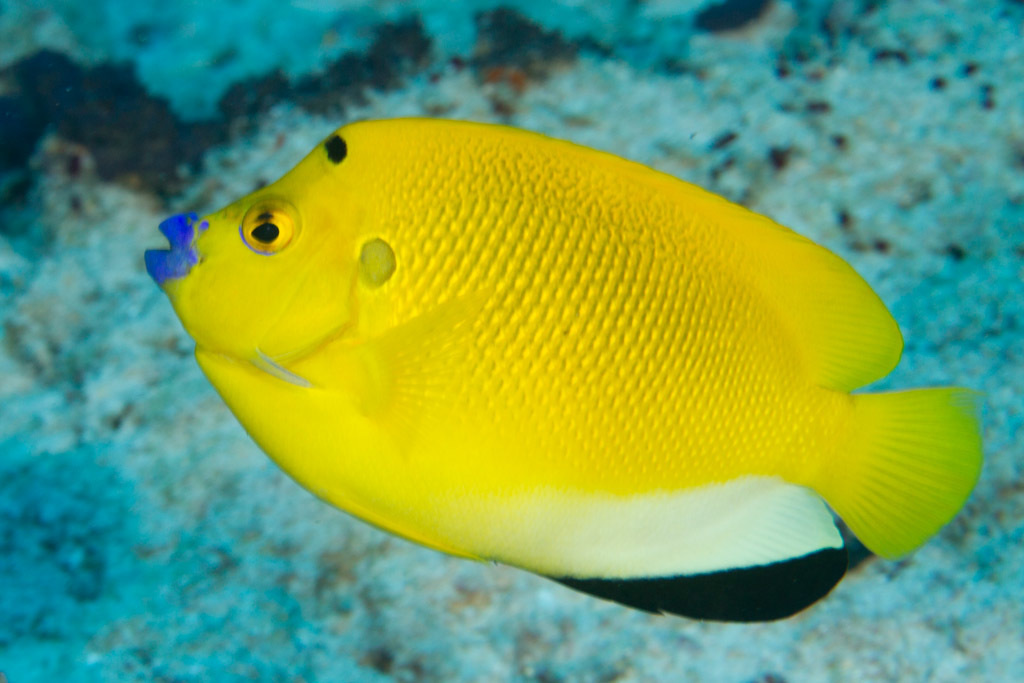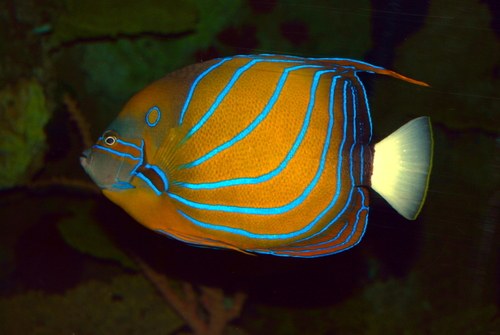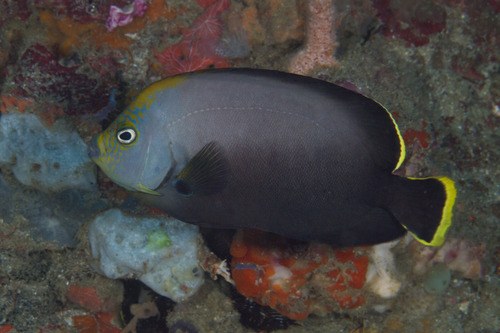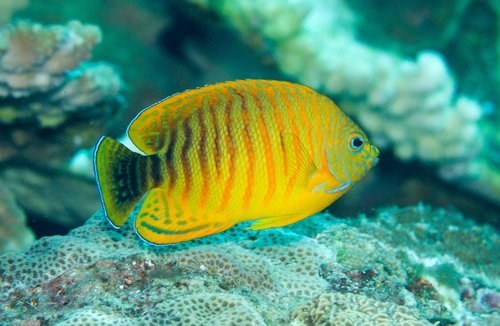
Blue-Faced Angel
Pomacanthus xanthometopon
In Stock
Common stock
Wild Caught
Moderate care
With Caution
SKU: CB-MF-0072
The Blue-Faced Angel is a stunning marine fish with vibrant coloration, ideal for premium aquariums.
Pricing for Verified Importers
Log in to see wholesale prices and order.
Export Size
up to 30.0 cm
Origin
Indo-Pacific
Temperature
24.0–28.0°C
Min. Tank Size
400 L
Salinity
20.000–25.000 ppt
pH
8.10–8.40
Diet
herbivore
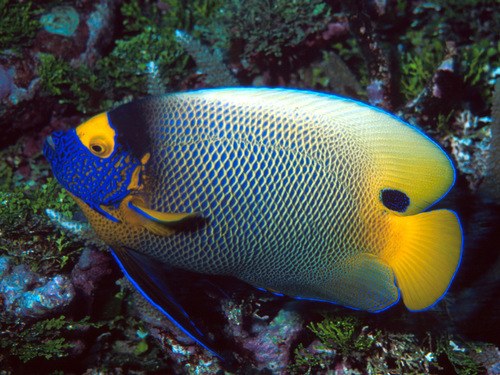
The Blue-Faced Angel (Pomacanthus xanthometopon) is a striking marine fish recognized for its vivid blue face, yellow body, and intricate patterns. This species is native to the coral reefs of the Indo-Pacific region, where it plays a significant role in the reef ecosystem by grazing on algae and maintaining coral health. Adult Blue-Faced Angels can be found in deep waters, often near steep drop-offs, showcasing their need for both space and a varied environment.
In terms of appearance, the Blue-Faced Angel is truly a visual delight. The bright blue coloration on their face contrasts beautifully with the warm yellow of their body. Juveniles exhibit a different coloration, often displaying a dark blue body with yellow stripes, which gradually transitions as they mature. This change not only enhances their aesthetic appeal but also serves as a survival mechanism, helping them blend into the colorful corals of their habitat.
Behaviorally, Blue-Faced Angels are known to be somewhat territorial, especially males. They establish a home range on the reef and will defend it against intruders vigorously. Despite their territorial nature, they can coexist with other species in larger aquariums, provided that the tank is spacious enough to accommodate their swimming needs. They are also known to be curious and can display interesting behaviors, including rooting through the substrate for food.
In their natural habitat, these fish thrive in warm, clean waters with abundant coral formations. They are often found at depths ranging from 10 to 50 meters, where they forage among the reef structure. This species contributes to the ecological balance of the reef by feeding on algae and small invertebrates, making them an essential part of their ecosystem.
In terms of appearance, the Blue-Faced Angel is truly a visual delight. The bright blue coloration on their face contrasts beautifully with the warm yellow of their body. Juveniles exhibit a different coloration, often displaying a dark blue body with yellow stripes, which gradually transitions as they mature. This change not only enhances their aesthetic appeal but also serves as a survival mechanism, helping them blend into the colorful corals of their habitat.
Behaviorally, Blue-Faced Angels are known to be somewhat territorial, especially males. They establish a home range on the reef and will defend it against intruders vigorously. Despite their territorial nature, they can coexist with other species in larger aquariums, provided that the tank is spacious enough to accommodate their swimming needs. They are also known to be curious and can display interesting behaviors, including rooting through the substrate for food.
In their natural habitat, these fish thrive in warm, clean waters with abundant coral formations. They are often found at depths ranging from 10 to 50 meters, where they forage among the reef structure. This species contributes to the ecological balance of the reef by feeding on algae and small invertebrates, making them an essential part of their ecosystem.
To ensure the health and well-being of Blue-Faced Angels, importers and retailers should maintain water parameters that closely mimic their natural habitat. Ideal temperature ranges from 24°C to 28°C, with a salinity of 1.020 to 1.025 ppt. The pH should be kept between 8.1 and 8.4. A minimum tank size of 400 liters is recommended to provide ample swimming space and territorial boundaries.
Feeding Blue-Faced Angels requires a varied diet to maintain their vibrant colors and health. They are primarily herbivorous but will also consume meaty foods. A diet rich in marine algae, spirulina, and high-quality pellets or flakes supplemented with occasional meaty treats is ideal. Compatibility is generally good with other large fish species, but caution should be taken when introducing them to smaller or similarly shaped fish that may be perceived as competitors.
Acclimation is critical for Blue-Faced Angels due to their sensitivity to changes in water conditions. A slow drip acclimation over several hours is recommended. Quarantine for at least two weeks is advisable before introducing them to the main display tank to monitor for any signs of disease and to prevent potential outbreaks. Regular monitoring of water quality and tank mates will ensure a healthy environment for these stunning fish.
Feeding Blue-Faced Angels requires a varied diet to maintain their vibrant colors and health. They are primarily herbivorous but will also consume meaty foods. A diet rich in marine algae, spirulina, and high-quality pellets or flakes supplemented with occasional meaty treats is ideal. Compatibility is generally good with other large fish species, but caution should be taken when introducing them to smaller or similarly shaped fish that may be perceived as competitors.
Acclimation is critical for Blue-Faced Angels due to their sensitivity to changes in water conditions. A slow drip acclimation over several hours is recommended. Quarantine for at least two weeks is advisable before introducing them to the main display tank to monitor for any signs of disease and to prevent potential outbreaks. Regular monitoring of water quality and tank mates will ensure a healthy environment for these stunning fish.
Blue-Faced Angels are suitable for shipping, but careful consideration of packing density is vital. It is recommended to ship no more than 1 fish per 20 liters of water to minimize stress. They are sensitive to temperature fluctuations, so maintaining a consistent temperature between 24°C and 28°C during transit is essential. As of now, there are no specific CITES restrictions on this species, making it easier for exporters to manage compliance requirements.
Species Parameters
Max Adult Size
30.0 cm
Origin
Indo-Pacific
Diet
herbivore
Temp Min
24.0 °C
Temp Max
28.0 °C
Salinity Min
20.000
Salinity Max
25.000
pH Min
8.10
pH Max
8.40
Min Tank
400 L