Blue Girdled/Majestic Angelfish
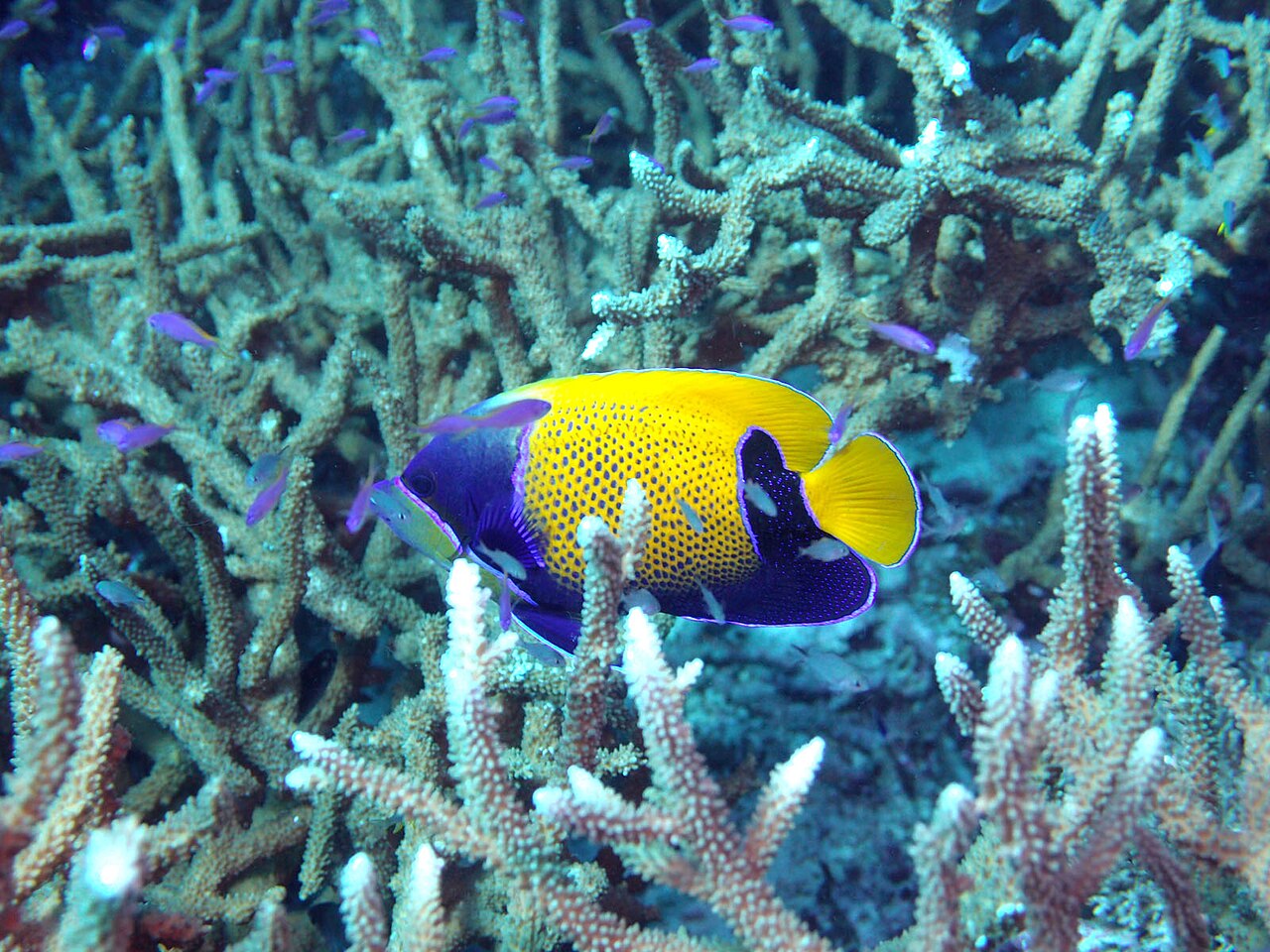
pomacanthus navarchus adult
In Stock
Common stock
Wild Caught
Moderate care
With Caution
SKU: ML-MF-0029
The Blue Girdled Angelfish is a stunning marine species known for its vibrant colors and graceful nature.
Pricing for Verified Importers
Log in to see wholesale prices and order.
Export Size
up to 30.0 cm
Origin
Indo-Pacific
Temperature
24.0–28.0°C
Min. Tank Size
300 L
Salinity
1.020–1.025 ppt
pH
8.10–8.40
Diet
herbivore
The Blue Girdled Angelfish (Pomacanthus navarchus), also commonly referred to as the Majestic Angelfish, is a strikingly beautiful marine species found predominantly in the coral-rich waters of the Indo-Pacific region. Adults display a captivating combination of deep blue and yellow hues, with intricate patterns that make them a popular choice among aquarium enthusiasts and collectors. This species can grow to a maximum size of around 30 cm, making it a significant centerpiece in larger marine aquariums.
In their natural habitat, Blue Girdled Angelfish inhabit coral reefs, where they can be found swimming among the crevices and overhangs. They are known for their territorial behavior, often establishing a defined area within the reef. These angelfish are herbivorous, feeding primarily on algae and small invertebrates, which they graze on from the reef substrate. This feeding behavior is crucial for maintaining the health of coral ecosystems, as it helps control algae growth and promotes coral vitality.
Behaviorally, the Blue Girdled Angelfish is relatively active, often engaging in playful interactions with other fish species. They exhibit a degree of social structure, with dominant individuals displaying more vibrant colors and more pronounced territoriality. Their peaceful demeanor makes them compatible with a variety of marine species, although care should be taken when introducing them to aggressive tank mates.
To ensure their health and well-being, it is essential to replicate their natural environment in captivity. Providing ample hiding spots, such as live rock and coral formations, along with a stable water quality, will encourage their natural behaviors and reduce stress levels in the aquarium setting.
In their natural habitat, Blue Girdled Angelfish inhabit coral reefs, where they can be found swimming among the crevices and overhangs. They are known for their territorial behavior, often establishing a defined area within the reef. These angelfish are herbivorous, feeding primarily on algae and small invertebrates, which they graze on from the reef substrate. This feeding behavior is crucial for maintaining the health of coral ecosystems, as it helps control algae growth and promotes coral vitality.
Behaviorally, the Blue Girdled Angelfish is relatively active, often engaging in playful interactions with other fish species. They exhibit a degree of social structure, with dominant individuals displaying more vibrant colors and more pronounced territoriality. Their peaceful demeanor makes them compatible with a variety of marine species, although care should be taken when introducing them to aggressive tank mates.
To ensure their health and well-being, it is essential to replicate their natural environment in captivity. Providing ample hiding spots, such as live rock and coral formations, along with a stable water quality, will encourage their natural behaviors and reduce stress levels in the aquarium setting.
To successfully care for the Blue Girdled Angelfish, it is crucial to maintain optimal water parameters. The ideal temperature range is between 24°C and 28°C, with a salinity level of 1.020 to 1.025 ppt. The pH should be kept between 8.1 and 8.4 to mimic their natural habitat. Regular water changes and monitoring of ammonia, nitrite, and nitrate levels are essential for their health.
Feeding practices should include a varied diet of high-quality marine flakes, pellets, and frozen foods such as brine shrimp and spirulina. This will ensure they receive the necessary nutrients for their growth and coloration. It is advisable to feed them small amounts multiple times a day to mimic their natural grazing habits.
When introducing Blue Girdled Angelfish to a new aquarium, acclimation should be done slowly over several hours to reduce stress. Quarantine procedures are also recommended for new arrivals to prevent the spread of disease. They generally exhibit peaceful behavior towards other non-aggressive fish, but caution should be exercised when introducing them to more territorial species, as they may assert dominance over their territory.
Feeding practices should include a varied diet of high-quality marine flakes, pellets, and frozen foods such as brine shrimp and spirulina. This will ensure they receive the necessary nutrients for their growth and coloration. It is advisable to feed them small amounts multiple times a day to mimic their natural grazing habits.
When introducing Blue Girdled Angelfish to a new aquarium, acclimation should be done slowly over several hours to reduce stress. Quarantine procedures are also recommended for new arrivals to prevent the spread of disease. They generally exhibit peaceful behavior towards other non-aggressive fish, but caution should be exercised when introducing them to more territorial species, as they may assert dominance over their territory.
Blue Girdled Angelfish are suitable for shipping, but care must be taken to ensure their well-being during transit. Packing density should be moderate to prevent stress, and temperatures should be maintained between 24°C and 28°C. They are not listed under CITES, making them easier to export, but compliance with all local regulations is essential.
Species Parameters
Max Adult Size
30.0 cm
Origin
Indo-Pacific
Diet
herbivore
Temp Min
24.0 °C
Temp Max
28.0 °C
Salinity Min
1.020
Salinity Max
1.025
pH Min
8.10
pH Max
8.40
Min Tank
300 L