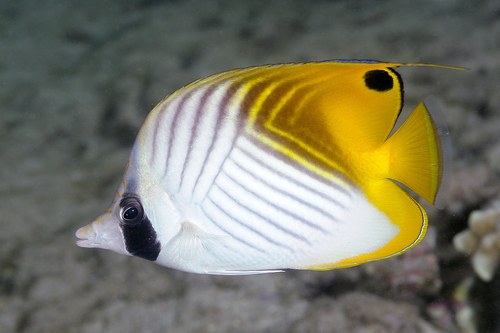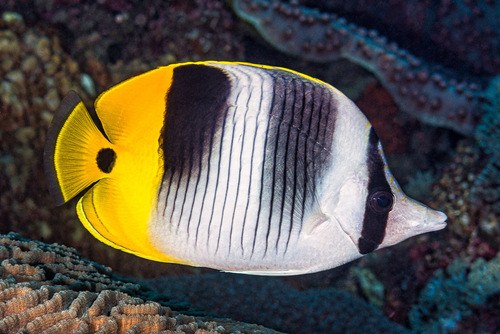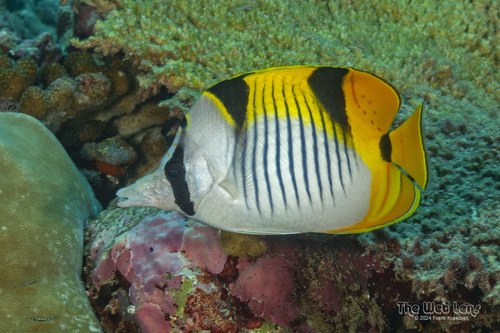
Sickle Butterfly
Chaetodon falcula
In Stock
Common stock
Wild Caught
Moderate care
With Caution
SKU: CB-MF-0034
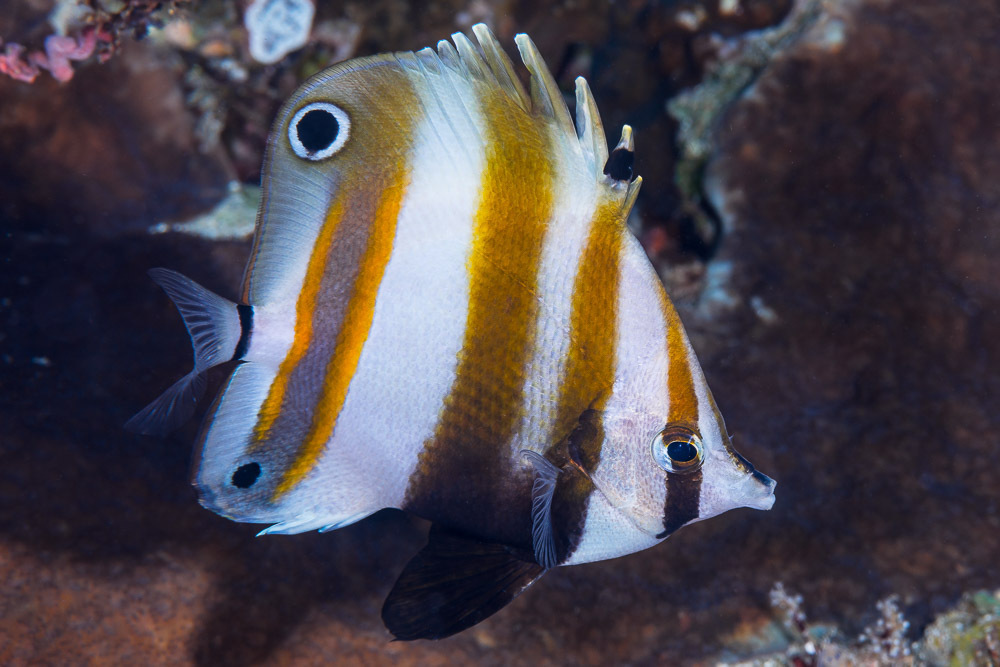
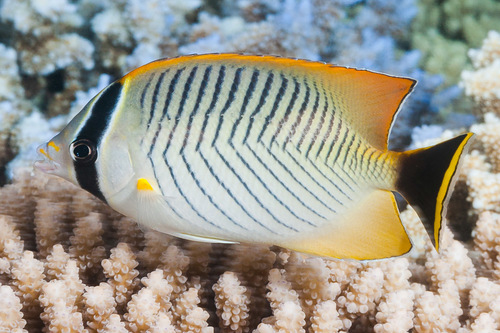
The Sickle Butterfly is a striking marine fish known for its unique shape and vibrant coloration.
Pricing for Verified Importers
Log in to see wholesale prices and order.
Export Size
up to 20.0 cm
Origin
Indo-Pacific
Temperature
24.0–28.0°C
Min. Tank Size
200 L
Salinity
1.020–1.025 ppt
pH
8.10–8.40
Diet
omnivore
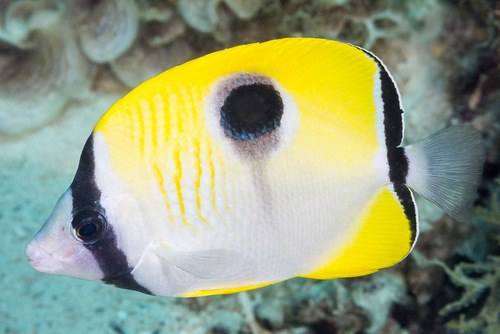
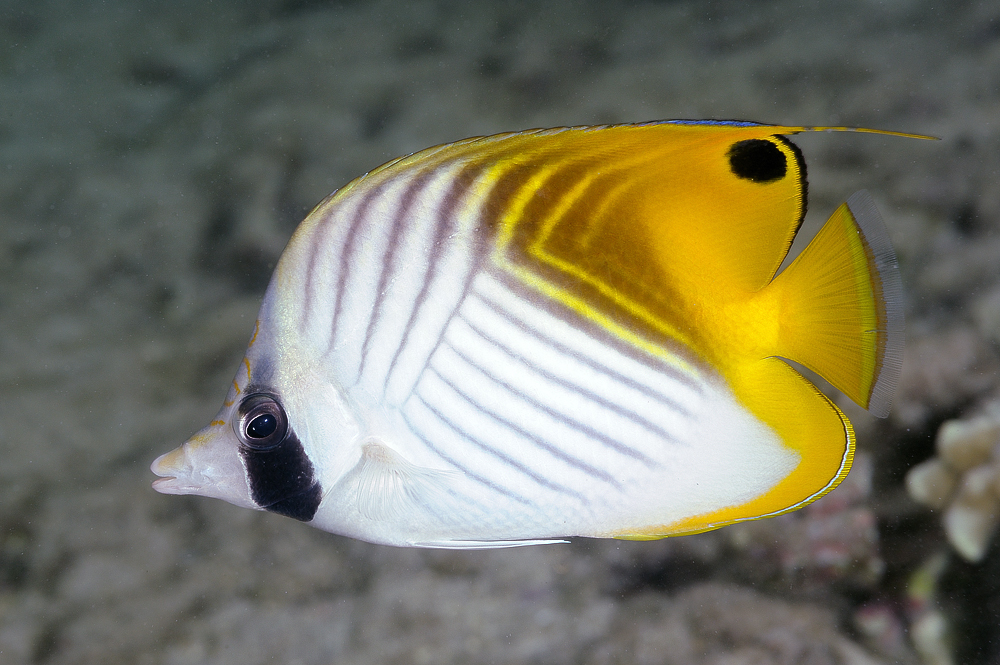
The Sickle Butterfly (Chaetodon falcula) is a stunning marine species renowned for its distinctive sickle-shaped body and vibrant coloration. Typically found in the warm waters of the Indo-Pacific region, this butterflyfish showcases a striking pattern of yellow and black, which serves as both a warning to predators and a form of camouflage among the coral reefs. Adult fish can grow up to 20 cm in length, making them a visually impressive addition to any marine aquarium.
In terms of natural history, the Sickle Butterfly primarily inhabits coral reefs, where it forages for food among the corals and rock structures. Its diet mainly consists of small invertebrates, algae, and coral polyps, which it skillfully extracts using its specialized mouth structure. This species is known for its territorial behavior, often asserting dominance over its chosen feeding areas, thus making it a fascinating species to observe in both the wild and in captivity.
Behaviorally, the Sickle Butterfly is social and often found in pairs or small groups, especially during mating seasons. They exhibit a range of behaviors from aggressive displays to cooperative feeding. Their vibrant colors not only contribute to their beauty but also play a crucial role in their social interactions and communication with other marine species.
Habitat-wise, the Sickle Butterfly thrives in shallow reef environments, typically at depths of 1 to 30 meters. They prefer areas with abundant coral cover, which provides shelter and food sources. The health of coral reefs is critical for their survival, making them indicators of the overall health of marine ecosystems.
In terms of natural history, the Sickle Butterfly primarily inhabits coral reefs, where it forages for food among the corals and rock structures. Its diet mainly consists of small invertebrates, algae, and coral polyps, which it skillfully extracts using its specialized mouth structure. This species is known for its territorial behavior, often asserting dominance over its chosen feeding areas, thus making it a fascinating species to observe in both the wild and in captivity.
Behaviorally, the Sickle Butterfly is social and often found in pairs or small groups, especially during mating seasons. They exhibit a range of behaviors from aggressive displays to cooperative feeding. Their vibrant colors not only contribute to their beauty but also play a crucial role in their social interactions and communication with other marine species.
Habitat-wise, the Sickle Butterfly thrives in shallow reef environments, typically at depths of 1 to 30 meters. They prefer areas with abundant coral cover, which provides shelter and food sources. The health of coral reefs is critical for their survival, making them indicators of the overall health of marine ecosystems.
For successful care of the Sickle Butterfly, it is crucial to maintain stable water parameters. Ideal temperature ranges between 24°C to 28°C, with a salinity of 1.020 to 1.025 ppt. The pH should be kept between 8.1 and 8.4 to ensure optimal health. Given their diet, it is important to provide a varied menu that includes high-quality flake food, frozen or live brine shrimp, and finely chopped marine fish or invertebrates.
Compatibility is key when housing the Sickle Butterfly in a community tank. They generally do well with other peaceful species but may exhibit aggressive behavior towards similar-looking fish or during mating seasons. Acclimation should be gradual; introduce them slowly to the aquarium environment to minimize stress. A quarantine period of at least two weeks is recommended to monitor for any signs of disease before adding them to the main display tank.
Regular water quality testing and maintenance are essential to prevent diseases and promote a healthy environment, especially in a tank housing multiple species. Providing plenty of hiding spots and swimming space will help reduce stress among these active swimmers.
Compatibility is key when housing the Sickle Butterfly in a community tank. They generally do well with other peaceful species but may exhibit aggressive behavior towards similar-looking fish or during mating seasons. Acclimation should be gradual; introduce them slowly to the aquarium environment to minimize stress. A quarantine period of at least two weeks is recommended to monitor for any signs of disease before adding them to the main display tank.
Regular water quality testing and maintenance are essential to prevent diseases and promote a healthy environment, especially in a tank housing multiple species. Providing plenty of hiding spots and swimming space will help reduce stress among these active swimmers.
The Sickle Butterfly is suitable for shipping, but it requires careful handling due to its sensitivity to temperature fluctuations. Packing density should be moderate to ensure adequate oxygen levels during transport. Maintain water temperature between 24°C and 28°C during shipping to prevent stress. This species is not listed under CITES, simplifying export regulations.
Species Parameters
Max Adult Size
20.0 cm
Origin
Indo-Pacific
Diet
omnivore
Temp Min
24.0 °C
Temp Max
28.0 °C
Salinity Min
1.020
Salinity Max
1.025
pH Min
8.10
pH Max
8.40
Min Tank
200 L