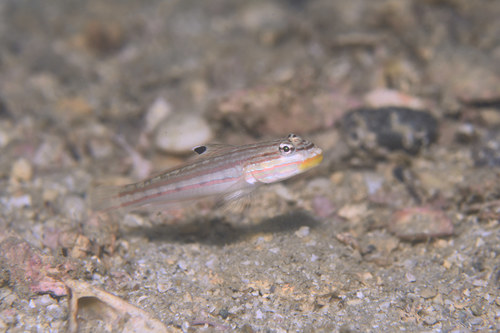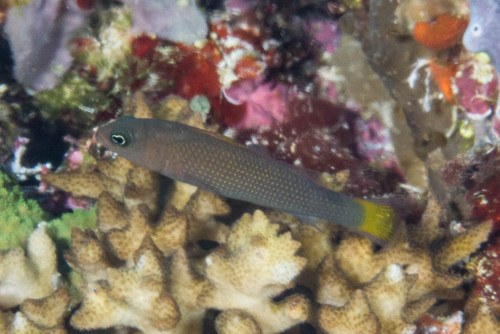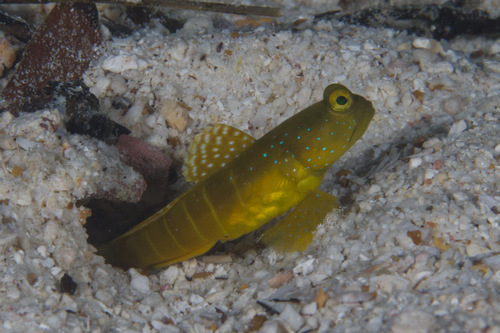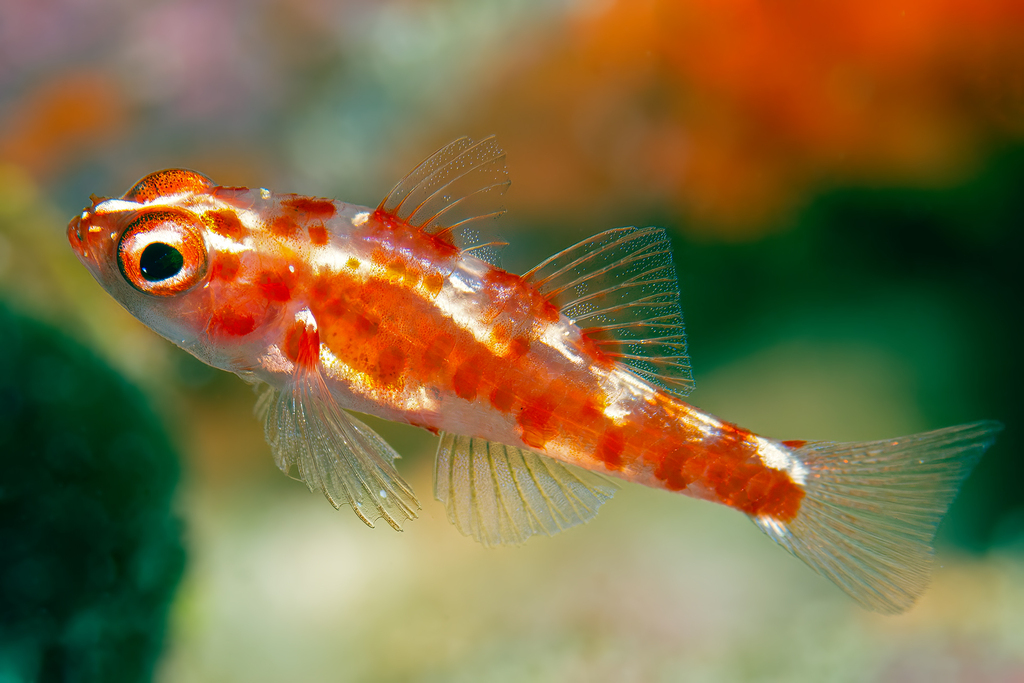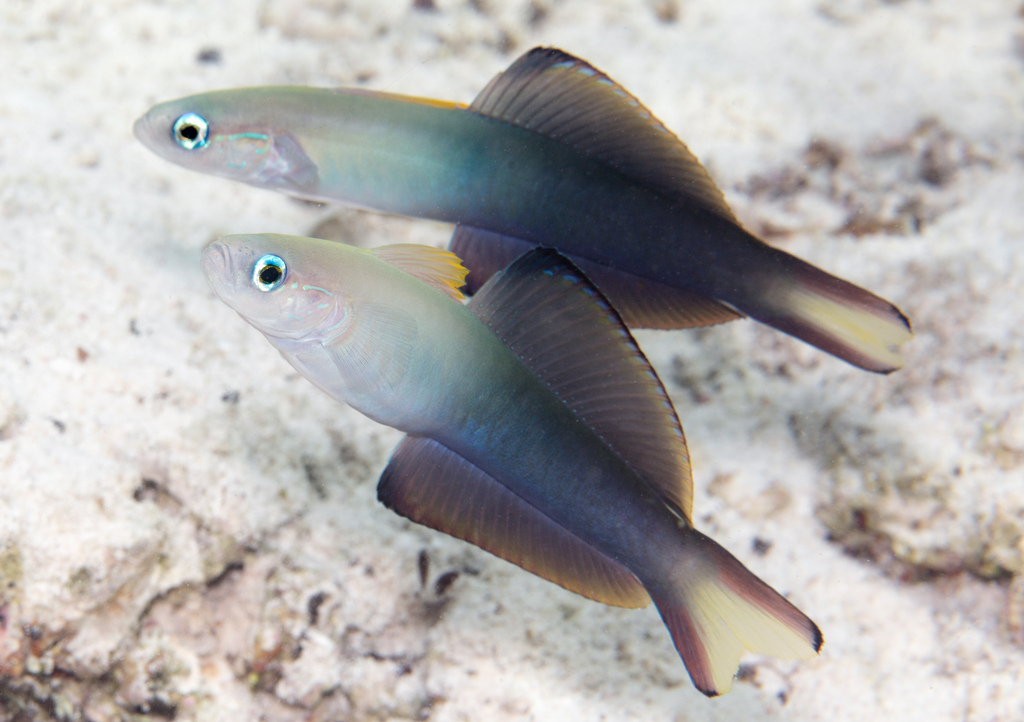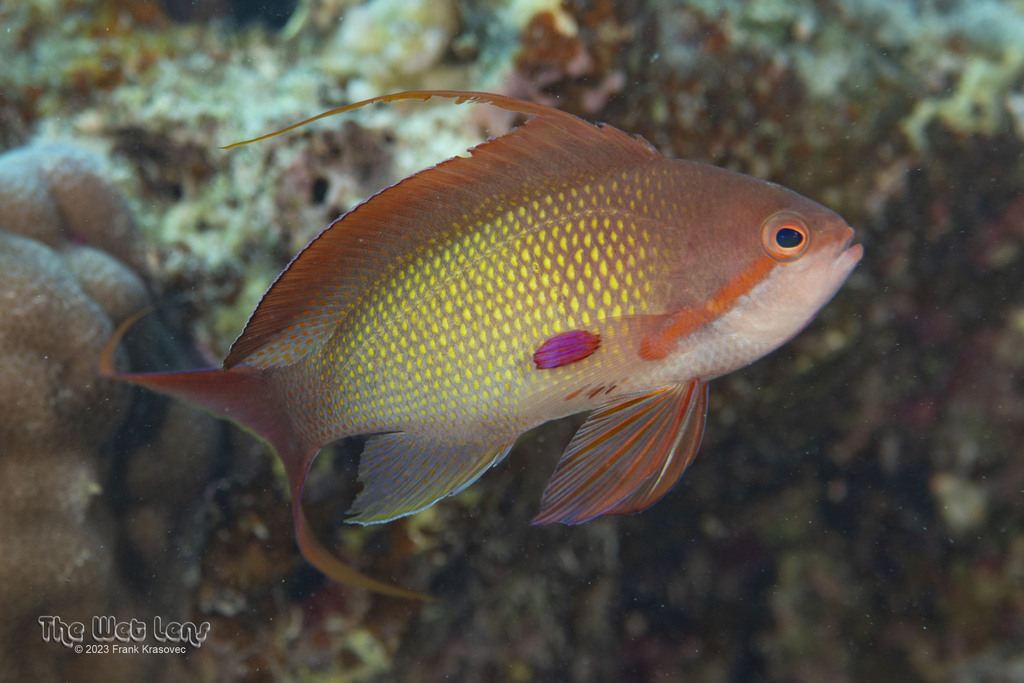
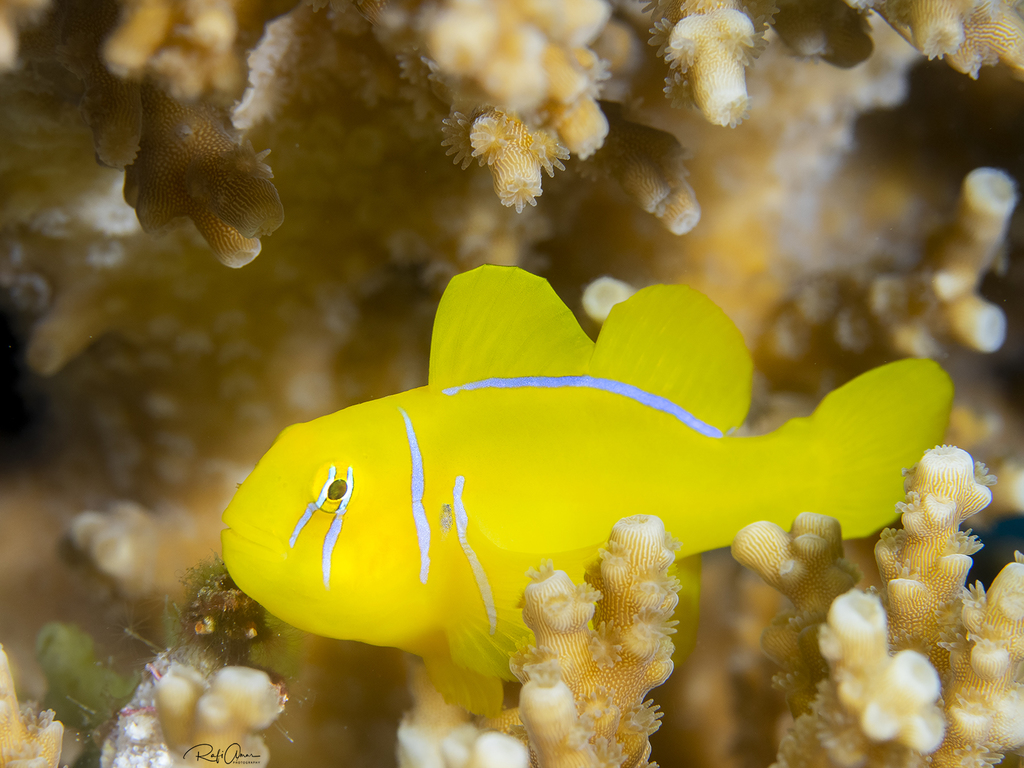
Broad-barred/Green Coral Goby Fish
gobiodon histrio
In Stock
Common stock
Wild Caught
Moderate care
With Caution
SKU: ML-MF-0217
The Broad-barred/Green Coral Goby is a vibrant reef inhabitant known for its unique coloration and symbiotic relationships.
Pricing for Verified Importers
Log in to see wholesale prices and order.
Export Size
up to 7.0 cm
Origin
Indo-Pacific
Temperature
24.0–28.0°C
Min. Tank Size
100 L
Salinity
32.000–35.000 ppt
pH
8.10–8.40
Diet
herbivore
The Broad-barred Coral Goby (gobiodon histrio) is a striking marine fish found primarily in the coral reefs of the Indo-Pacific region. This species is distinguished by its vivid green body adorned with broad, dark bars, which provides excellent camouflage against the colorful corals of its habitat. Typically reaching a maximum size of around 7 cm, these small fish are known for their agile movements and dynamic presence in the reef ecosystem.
Behaviorally, the Broad-barred Coral Goby is a social species often seen darting between coral branches, where it establishes territorial boundaries. They are primarily herbivorous, feeding on algae and detritus, which they expertly graze from the surfaces of corals and rocks. Their unique adaptations allow them to thrive in symbiosis with certain coral species, where they take refuge from predators while simultaneously helping to keep the coral clean and free from harmful algae.
In terms of habitat, the Broad-barred Coral Goby prefers shallow reef environments, typically residing in areas with abundant coral cover. These fish are commonly found in lagoons and on the outer reef slopes, where they can easily access food sources and maintain their territory. Their reliance on coral structures makes them vulnerable to habitat degradation, highlighting the importance of sustainable practices in marine aquaculture and reef conservation.
With their vibrant colors and intriguing behaviors, Broad-barred Coral Gobies are not only a joy to observe but also play a crucial role in the health of coral ecosystems. Their presence in an aquarium can greatly enhance the visual appeal and ecological balance of a marine setup.
Behaviorally, the Broad-barred Coral Goby is a social species often seen darting between coral branches, where it establishes territorial boundaries. They are primarily herbivorous, feeding on algae and detritus, which they expertly graze from the surfaces of corals and rocks. Their unique adaptations allow them to thrive in symbiosis with certain coral species, where they take refuge from predators while simultaneously helping to keep the coral clean and free from harmful algae.
In terms of habitat, the Broad-barred Coral Goby prefers shallow reef environments, typically residing in areas with abundant coral cover. These fish are commonly found in lagoons and on the outer reef slopes, where they can easily access food sources and maintain their territory. Their reliance on coral structures makes them vulnerable to habitat degradation, highlighting the importance of sustainable practices in marine aquaculture and reef conservation.
With their vibrant colors and intriguing behaviors, Broad-barred Coral Gobies are not only a joy to observe but also play a crucial role in the health of coral ecosystems. Their presence in an aquarium can greatly enhance the visual appeal and ecological balance of a marine setup.
When caring for Broad-barred Coral Gobies, it is essential to maintain stable water parameters. Optimal temperature ranges from 24 to 28 degrees Celsius, with salinity levels around 32-35 ppt. The pH should be maintained between 8.1 and 8.4 to ensure a healthy environment. A minimum tank size of 100 liters is recommended to provide ample swimming space and territory.
These fish are primarily herbivores and thrive on a diet rich in algae. High-quality flake food, pellets, and fresh or frozen algae should be included in their diet to promote vibrant coloration and health. It’s advisable to feed them several small meals throughout the day rather than one large feeding.
Compatibility with other species is generally good, but caution should be exercised when introducing new tank mates. Avoid housing them with aggressive species that might threaten their territory. Acclimation should be done slowly over several hours to minimize stress, and it is highly recommended to quarantine new arrivals for at least two weeks before introducing them to the main display tank to prevent the spread of diseases.
These fish are primarily herbivores and thrive on a diet rich in algae. High-quality flake food, pellets, and fresh or frozen algae should be included in their diet to promote vibrant coloration and health. It’s advisable to feed them several small meals throughout the day rather than one large feeding.
Compatibility with other species is generally good, but caution should be exercised when introducing new tank mates. Avoid housing them with aggressive species that might threaten their territory. Acclimation should be done slowly over several hours to minimize stress, and it is highly recommended to quarantine new arrivals for at least two weeks before introducing them to the main display tank to prevent the spread of diseases.
Broad-barred Coral Gobies are suitable for shipping, provided they are packed with care to minimize stress. Using insulated boxes and oxygenated bags is essential for maintaining water quality during transit. Ideal packing density is one fish per 1-2 liters of water. They are sensitive to temperature fluctuations, so maintaining a stable temperature between 24-28 degrees Celsius during shipping is crucial. This species is not listed under CITES, ensuring easier export processes.
Species Parameters
Max Adult Size
7.0 cm
Origin
Indo-Pacific
Diet
herbivore
Temp Min
24.0 °C
Temp Max
28.0 °C
Salinity Min
32.000
Salinity Max
35.000
pH Min
8.10
pH Max
8.40
Min Tank
100 L