Dwarf Dartfish
Aioliops megastigma
In Stock
Common stock
Wild Caught
Moderate care
With Caution
SKU: CB-MF-0245
The Dwarf Dartfish is a vibrant and peaceful addition to any marine aquarium.
Pricing for Verified Importers
Log in to see wholesale prices and order.
Export Size
up to 5.0 cm
Origin
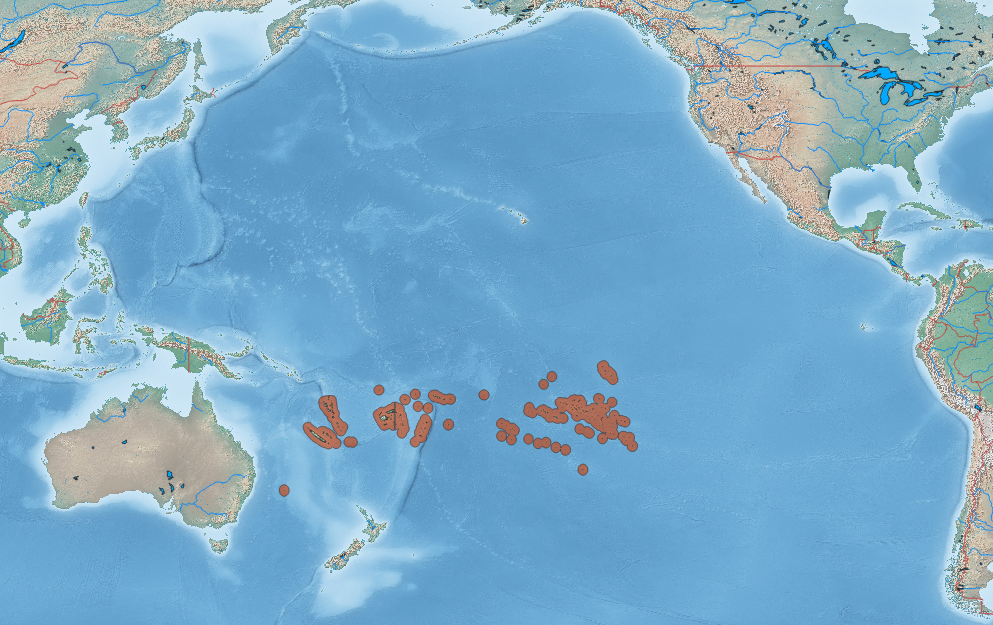
Indo-Pacific
Temperature
24.0–28.0°C
Min. Tank Size
100 L
Salinity
1.020–1.025 ppt
pH
8.10–8.40
Diet
omnivore
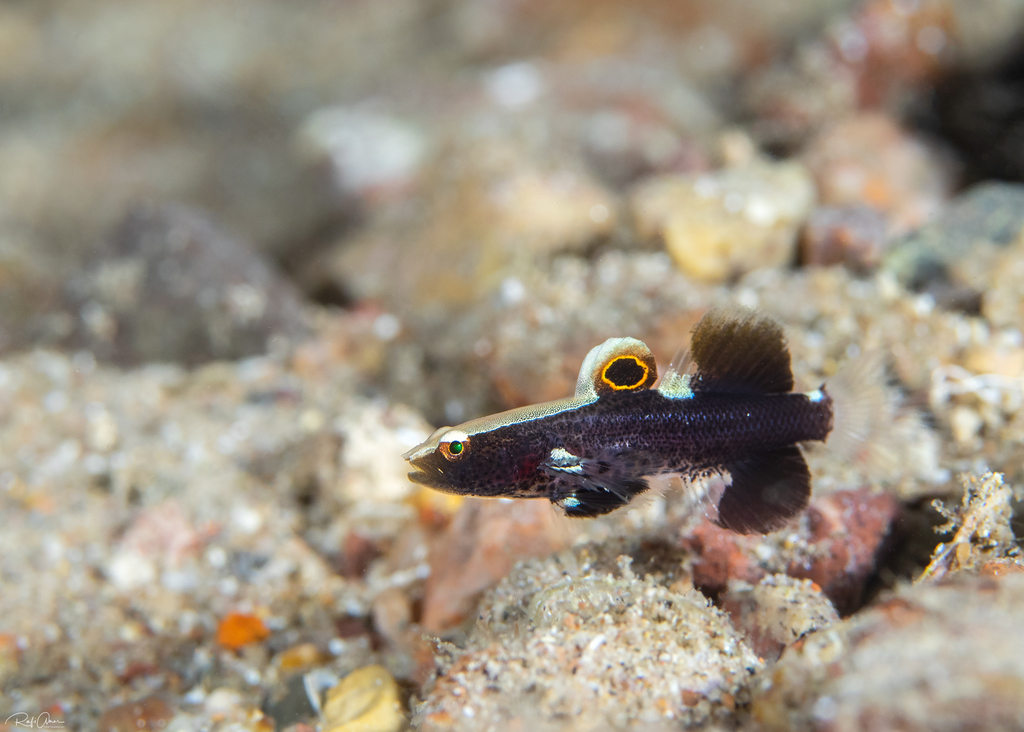
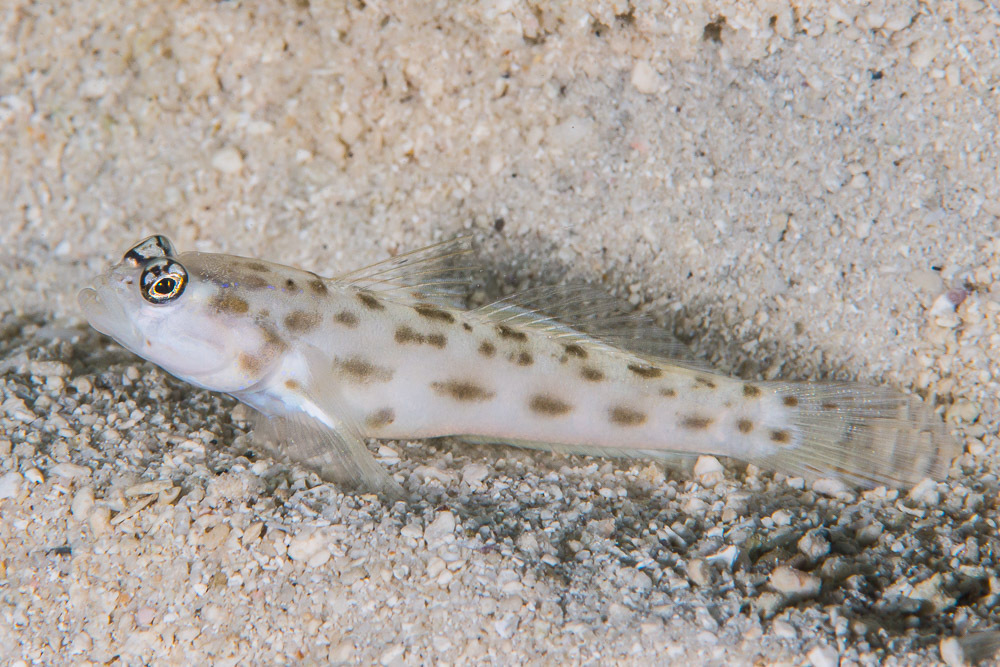
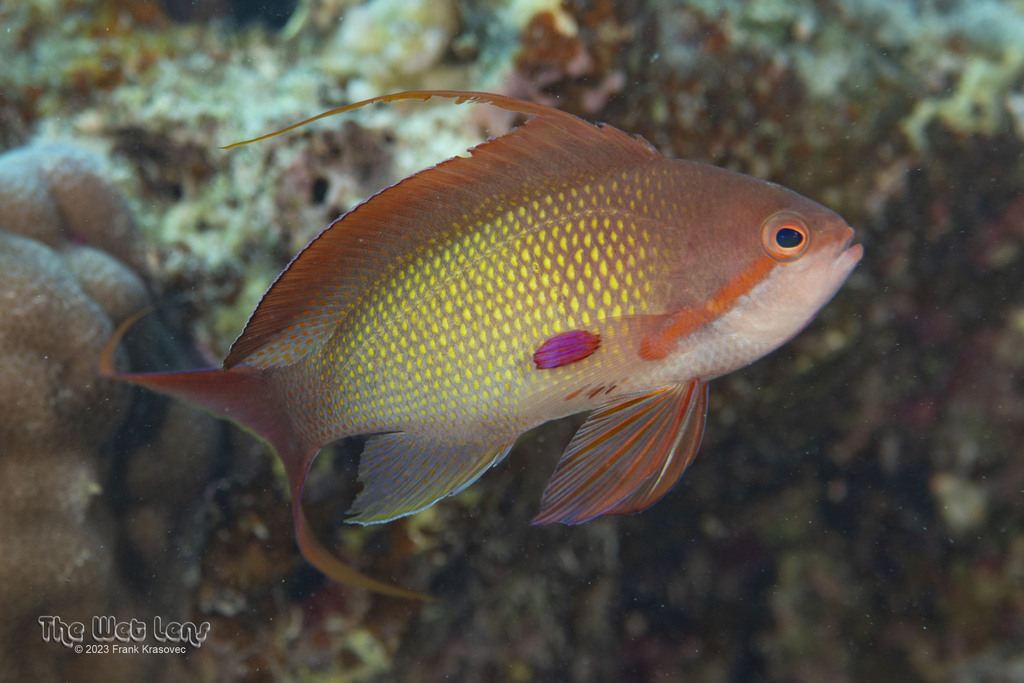
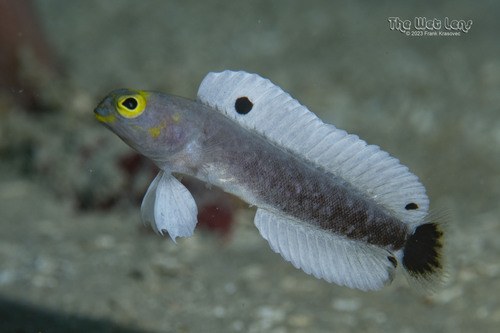
The Dwarf Dartfish (Aioliops megastigma) is a small, colorful marine fish native to the coral reefs of the Indo-Pacific region. This species is notable for its striking coloration, which features a mix of yellow, blue, and black hues that provide a stunning visual appeal in any aquarium setting. Adult Dwarf Dartfish typically reach a maximum size of around 5 cm, making them an ideal choice for smaller tanks. Their streamlined bodies are perfectly adapted for darting in and out of crevices, offering a fascinating glimpse into their natural behavior and habitat.
In terms of behavior, Dwarf Dartfish are known to be social and peaceful, often found in small groups. They exhibit a unique swimming style, often hovering above the substrate and darting to safety among rocks or coral when threatened. This species thrives in well-structured environments, showcasing their natural instinct for hiding and seeking refuge. In the wild, they primarily inhabit shallow reefs, where they can easily find shelter and food.
Dwarf Dartfish are also known for their ability to adapt to a variety of marine environments, although they are most commonly found in areas with abundant coral cover. Their presence in aquariums can help to create a lively and dynamic environment, as they interact with other fish and invertebrates while exhibiting their characteristic darting behavior. As such, they serve as both a visual and ecological asset to any marine setup, contributing to the overall health and activity of the tank.
To maintain the health and vibrancy of Dwarf Dartfish, it is crucial for aquarists to replicate their natural habitat as closely as possible. Providing ample hiding places and structures will encourage their natural behaviors and reduce stress levels, ensuring a thriving aquarium environment for these beautiful marine inhabitants.
In terms of behavior, Dwarf Dartfish are known to be social and peaceful, often found in small groups. They exhibit a unique swimming style, often hovering above the substrate and darting to safety among rocks or coral when threatened. This species thrives in well-structured environments, showcasing their natural instinct for hiding and seeking refuge. In the wild, they primarily inhabit shallow reefs, where they can easily find shelter and food.
Dwarf Dartfish are also known for their ability to adapt to a variety of marine environments, although they are most commonly found in areas with abundant coral cover. Their presence in aquariums can help to create a lively and dynamic environment, as they interact with other fish and invertebrates while exhibiting their characteristic darting behavior. As such, they serve as both a visual and ecological asset to any marine setup, contributing to the overall health and activity of the tank.
To maintain the health and vibrancy of Dwarf Dartfish, it is crucial for aquarists to replicate their natural habitat as closely as possible. Providing ample hiding places and structures will encourage their natural behaviors and reduce stress levels, ensuring a thriving aquarium environment for these beautiful marine inhabitants.
When caring for Dwarf Dartfish, it is essential to maintain stable water parameters to ensure their health and well-being. Ideal temperature ranges between 24-28°C, with a salinity level of 1.020-1.025 ppt. The pH should be maintained between 8.1 and 8.4. A minimum tank size of 100 liters is recommended to provide ample swimming space and hiding spots.
Feeding Dwarf Dartfish involves a varied diet consisting of high-quality marine flakes, frozen or live brine shrimp, and other small marine foods. They are not particularly aggressive feeders, so it's important to monitor their food intake to ensure they receive adequate nutrition. Compatibility with other species is generally good, making them suitable for community tanks, but care should be taken to avoid aggressive tankmates.
Acclimation is crucial for the successful introduction of Dwarf Dartfish into a new aquarium. It is recommended to use a slow drip acclimation method over a period of several hours. Quarantine all new arrivals for at least two weeks to prevent the introduction of diseases into the main tank. Regular water changes and monitoring for signs of stress or disease will also contribute to their long-term health and vitality.
Feeding Dwarf Dartfish involves a varied diet consisting of high-quality marine flakes, frozen or live brine shrimp, and other small marine foods. They are not particularly aggressive feeders, so it's important to monitor their food intake to ensure they receive adequate nutrition. Compatibility with other species is generally good, making them suitable for community tanks, but care should be taken to avoid aggressive tankmates.
Acclimation is crucial for the successful introduction of Dwarf Dartfish into a new aquarium. It is recommended to use a slow drip acclimation method over a period of several hours. Quarantine all new arrivals for at least two weeks to prevent the introduction of diseases into the main tank. Regular water changes and monitoring for signs of stress or disease will also contribute to their long-term health and vitality.
Dwarf Dartfish are suitable for shipping due to their hardy nature. They can be packed in groups of 4-6 per bag to ensure adequate space during transport. It is important to maintain a stable temperature between 22-26°C during shipping to minimize stress. As CITES does not list this species, shipping regulations are less stringent, facilitating smoother transit for international orders.
Species Parameters
Max Adult Size
5.0 cm
Origin
Indo-Pacific
Diet
omnivore
Temp Min
24.0 °C
Temp Max
28.0 °C
Salinity Min
1.020
Salinity Max
1.025
pH Min
8.10
pH Max
8.40
Min Tank
100 L