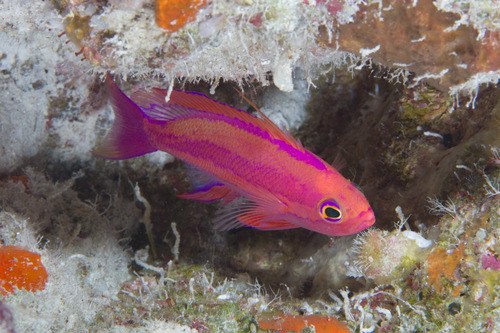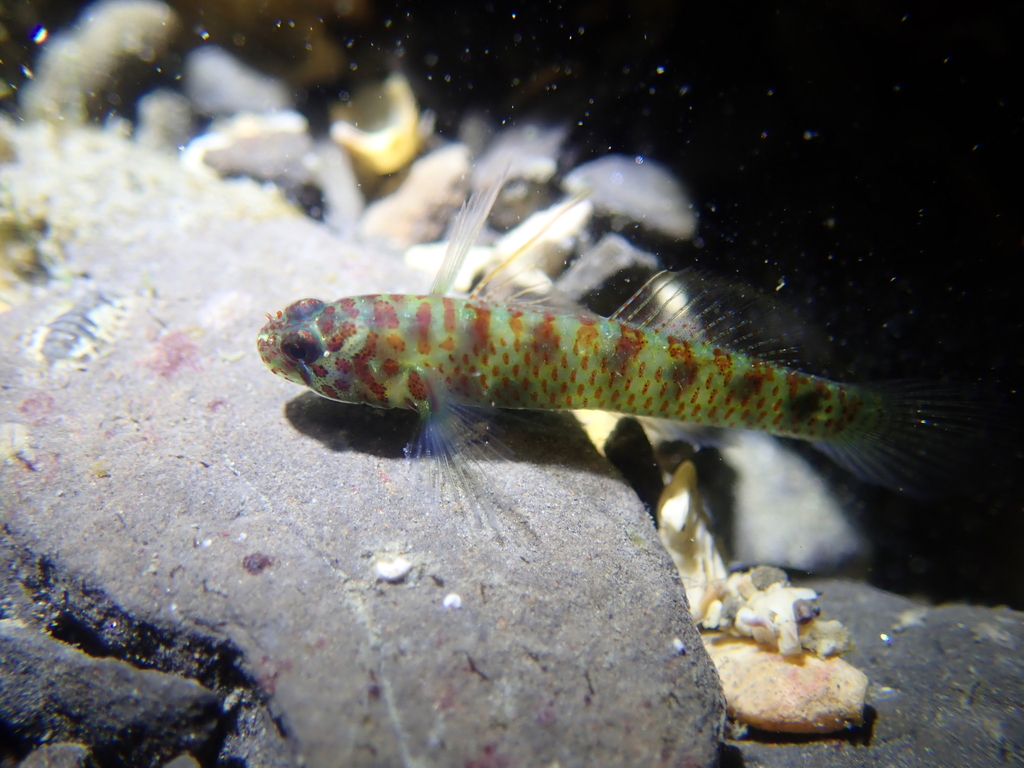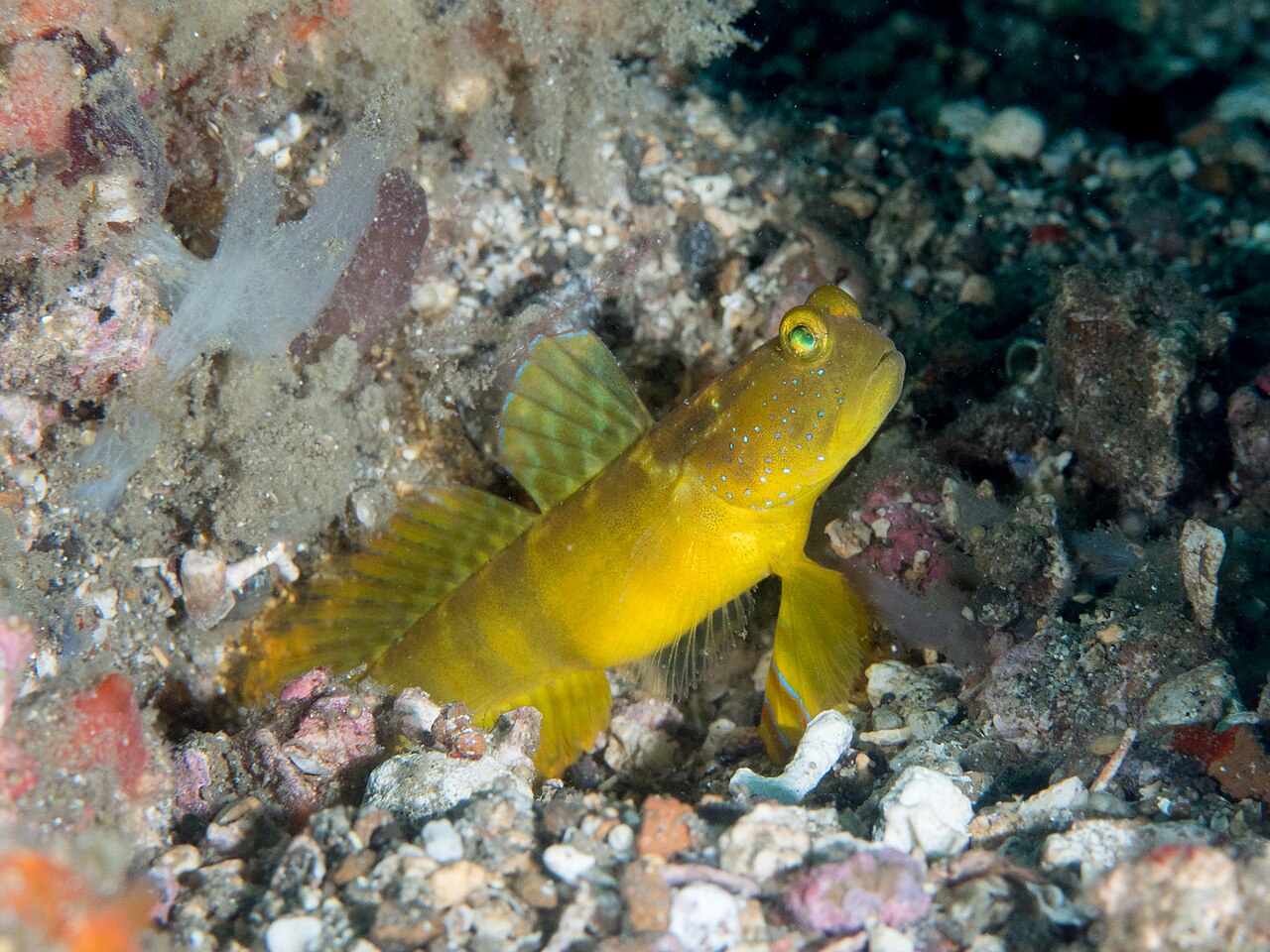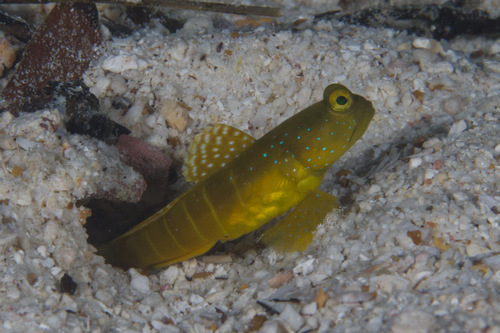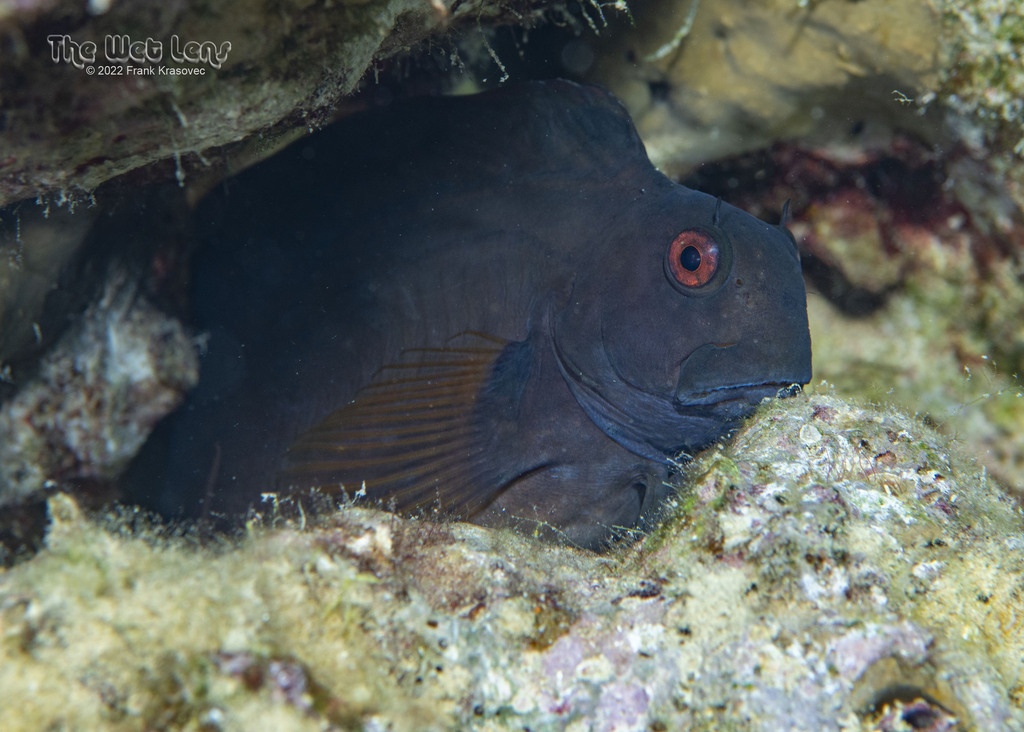
Phantom Blenny/Black Sailfin blenny
atrosalarias fuscus
In Stock
Common stock
Wild Caught
Moderate care
With Caution
SKU: ML-MF-0106
The Phantom Blenny captivates with its unique sail-like fins and intriguing behavior.
Pricing for Verified Importers
Log in to see wholesale prices and order.
Export Size
up to 10.0 cm
Origin
Indo-Pacific
Temperature
24.0–28.0°C
Min. Tank Size
100 L
Salinity
1.020–1.025 ppt
pH
8.10–8.40
Diet
omnivore
The Phantom Blenny, scientifically known as Atrosalarias fuscus, is a captivating marine fish native to the coral reefs of the Indo-Pacific region. This species is renowned for its striking appearance, characterized by a distinctively elongated body and vibrant coloration that varies from deep blues to greens, often with a hint of iridescence. One of its most notable features is the large, sail-like dorsal fin that can be raised or lowered, which not only adds to its visual appeal but also plays a role in its social interactions.
In terms of behavior, Phantom Blennies are known for their territorial nature, often claiming small sections of the reef as their own. They are typically found in shallow waters, where they inhabit crevices and rocky substrates, providing them with plenty of hiding spots from predators. Their unique swimming style, marked by quick bursts of speed and agile maneuvers, allows them to navigate through complex reef structures effectively. This adaptability to their environment makes them a fascinating species to observe in both natural habitats and aquarium settings.
Phantom Blennies primarily feed on small invertebrates and algae, showcasing their omnivorous diet. In addition to their dietary habits, they are social creatures that often engage in playful interactions with their tank mates, making them a delightful addition to community aquariums. Their vibrant colors and lively behavior can add considerable interest to any marine display, appealing to both hobbyists and professional aquarists alike.
The preferred habitat of the Phantom Blenny includes coral reefs and rocky areas where they can easily blend in with their surroundings. This species thrives in well-oxygenated waters and is typically found at depths ranging from 1 to 30 meters. Understanding their natural habitat is essential for creating optimal conditions in captivity, ensuring their health and well-being.
In terms of behavior, Phantom Blennies are known for their territorial nature, often claiming small sections of the reef as their own. They are typically found in shallow waters, where they inhabit crevices and rocky substrates, providing them with plenty of hiding spots from predators. Their unique swimming style, marked by quick bursts of speed and agile maneuvers, allows them to navigate through complex reef structures effectively. This adaptability to their environment makes them a fascinating species to observe in both natural habitats and aquarium settings.
Phantom Blennies primarily feed on small invertebrates and algae, showcasing their omnivorous diet. In addition to their dietary habits, they are social creatures that often engage in playful interactions with their tank mates, making them a delightful addition to community aquariums. Their vibrant colors and lively behavior can add considerable interest to any marine display, appealing to both hobbyists and professional aquarists alike.
The preferred habitat of the Phantom Blenny includes coral reefs and rocky areas where they can easily blend in with their surroundings. This species thrives in well-oxygenated waters and is typically found at depths ranging from 1 to 30 meters. Understanding their natural habitat is essential for creating optimal conditions in captivity, ensuring their health and well-being.
When caring for Phantom Blennies, it is crucial to maintain stable water parameters to replicate their natural environment. Ideal water temperature ranges from 24°C to 28°C, with a salinity level of 1.020 to 1.025 ppt. The pH should be kept between 8.1 and 8.4, as these conditions promote optimal health and vibrant coloration. A minimum tank size of 100 liters is recommended to provide ample space for territorial behavior and swimming.
Feeding Phantom Blennies is relatively straightforward, as they are omnivorous and accept a varied diet. High-quality flakes, pellets, and frozen foods rich in protein, such as brine shrimp and mysis shrimp, should be included in their diet alongside algae-based supplements. It is essential to monitor their feeding habits, as overfeeding can lead to health issues.
In terms of compatibility, Phantom Blennies can coexist with other peaceful marine species, but care should be taken when introducing new tank mates to avoid territorial disputes. Acclimation should be gradual; the use of drip acclimation is highly recommended to minimize stress. Quarantine new arrivals for at least two weeks to ensure they are free from diseases before adding them to the main tank.
Feeding Phantom Blennies is relatively straightforward, as they are omnivorous and accept a varied diet. High-quality flakes, pellets, and frozen foods rich in protein, such as brine shrimp and mysis shrimp, should be included in their diet alongside algae-based supplements. It is essential to monitor their feeding habits, as overfeeding can lead to health issues.
In terms of compatibility, Phantom Blennies can coexist with other peaceful marine species, but care should be taken when introducing new tank mates to avoid territorial disputes. Acclimation should be gradual; the use of drip acclimation is highly recommended to minimize stress. Quarantine new arrivals for at least two weeks to ensure they are free from diseases before adding them to the main tank.
Phantom Blennies are suitable for shipping due to their hardiness; however, it is vital to pack them with care to ensure their well-being during transit. The recommended packing density is 1-2 fish per liter of water to minimize stress. Maintain temperatures between 24°C and 28°C during shipping, as they are sensitive to temperature fluctuations. This species is not listed under CITES, making export processes straightforward.
Species Parameters
Max Adult Size
10.0 cm
Origin
Indo-Pacific
Diet
omnivore
Temp Min
24.0 °C
Temp Max
28.0 °C
Salinity Min
1.020
Salinity Max
1.025
pH Min
8.10
pH Max
8.40
Min Tank
100 L