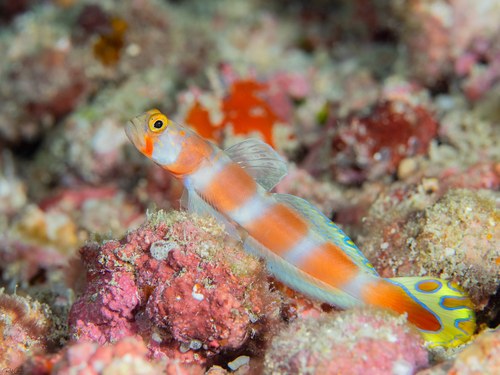
Pinkbar Goby
Amblyeleotris aurora
In Stock
Common stock
Wild Caught
Moderate care
With Caution
SKU: CB-MF-0232
The Pinkbar Goby is a stunning marine fish known for its vibrant colors and unique symbiotic relationship with shrimp.
Pricing for Verified Importers
Log in to see wholesale prices and order.
Export Size
up to 11.0 cm
Origin
Indo-Pacific
Temperature
24.0–28.0°C
Min. Tank Size
100 L
Salinity
1.020–1.025 ppt
pH
8.10–8.40
Diet
carnivore
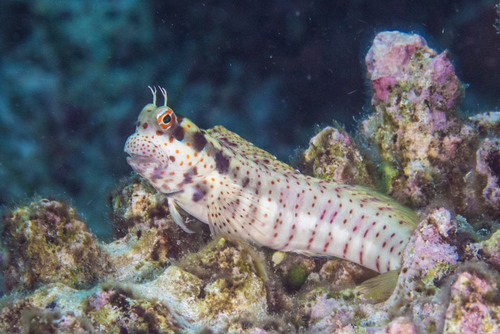
Amblyeleotris aurora, commonly known as the Pinkbar Goby, is a captivating species native to the coral reefs of the western Indian Ocean. Typically found at depths ranging from 5 to 40 meters, this goby thrives in shallow waters, where it often establishes a symbiotic relationship with the shrimp Alpheus randalli. This partnership not only offers the goby protection from predators but also provides the shrimp with a safe haven within the goby's burrow. The Pinkbar Goby is easily recognized by its striking coloration, featuring a pale body adorned with vibrant pink bars that run along its sides, making it a popular choice for aquarium enthusiasts.
In terms of behavior, the Pinkbar Goby is known for its territorial nature, often found perched at the entrance of its burrow, where it can quickly retreat if danger approaches. It is primarily a benthic feeder, foraging on small invertebrates and detritus in the substrate. Their social structure is fascinating; they can be seen in pairs or small groups, showcasing their social interactions and communal living. This species can reach a maximum length of approximately 11 centimeters (4.3 inches), making them relatively small yet impactful additions to any marine aquarium.
The natural habitat of the Pinkbar Goby includes sandy and rubble areas of coral reefs, where they can easily find suitable substrates to dig their burrows. Their preference for shallow waters makes them vulnerable to changes in their environment, including pollution and habitat destruction, emphasizing the importance of sustainable harvesting practices in the aquarium trade. As they adapt well to aquarium life, they are increasingly sought after by hobbyists and retailers alike, providing a glimpse into the vibrant underwater ecosystems of the Indo-Pacific region.
In terms of behavior, the Pinkbar Goby is known for its territorial nature, often found perched at the entrance of its burrow, where it can quickly retreat if danger approaches. It is primarily a benthic feeder, foraging on small invertebrates and detritus in the substrate. Their social structure is fascinating; they can be seen in pairs or small groups, showcasing their social interactions and communal living. This species can reach a maximum length of approximately 11 centimeters (4.3 inches), making them relatively small yet impactful additions to any marine aquarium.
The natural habitat of the Pinkbar Goby includes sandy and rubble areas of coral reefs, where they can easily find suitable substrates to dig their burrows. Their preference for shallow waters makes them vulnerable to changes in their environment, including pollution and habitat destruction, emphasizing the importance of sustainable harvesting practices in the aquarium trade. As they adapt well to aquarium life, they are increasingly sought after by hobbyists and retailers alike, providing a glimpse into the vibrant underwater ecosystems of the Indo-Pacific region.
To maintain the health of the Pinkbar Goby in captivity, it is essential to provide stable water parameters. The ideal temperature range is between 24°C to 28°C, with a salinity level of 1.020 to 1.025 ppt. The pH should be kept between 8.1 and 8.4 for optimal health. A minimum tank size of 100 liters is recommended to allow ample swimming space and territory for this species.
Feeding the Pinkbar Goby is relatively straightforward; they are carnivorous and thrive on a diet consisting of high-quality marine pellets, frozen brine shrimp, and other small marine foods. It is crucial to offer a varied diet to ensure they receive all necessary nutrients. When introducing new individuals, acclimation should be done gradually to avoid stress, ideally over several hours, using the drip acclimation method.
Compatibility-wise, Pinkbar Gobies are generally peaceful and can coexist with other small to medium marine fish. However, they may exhibit territorial behavior, especially with their own kind, so it’s best to keep them in pairs or small groups in larger tanks. Quarantine of new arrivals for at least two weeks is recommended to prevent the introduction of diseases into the main aquarium.
Feeding the Pinkbar Goby is relatively straightforward; they are carnivorous and thrive on a diet consisting of high-quality marine pellets, frozen brine shrimp, and other small marine foods. It is crucial to offer a varied diet to ensure they receive all necessary nutrients. When introducing new individuals, acclimation should be done gradually to avoid stress, ideally over several hours, using the drip acclimation method.
Compatibility-wise, Pinkbar Gobies are generally peaceful and can coexist with other small to medium marine fish. However, they may exhibit territorial behavior, especially with their own kind, so it’s best to keep them in pairs or small groups in larger tanks. Quarantine of new arrivals for at least two weeks is recommended to prevent the introduction of diseases into the main aquarium.
The Pinkbar Goby is well-suited for shipping, provided proper packing methods are utilized. It is recommended to pack them in well-oxygenated bags with minimal water to reduce stress during transit. Maintain a shipping temperature between 20°C to 24°C to ensure their comfort and viability. Due to its popularity and sustainable harvesting practices, this species is not listed under CITES, making it easier for importers to manage paperwork.
Species Parameters
Max Adult Size
11.0 cm
Origin
Indo-Pacific
Diet
carnivore
Temp Min
24.0 °C
Temp Max
28.0 °C
Salinity Min
1.020
Salinity Max
1.025
pH Min
8.10
pH Max
8.40
Min Tank
100 L