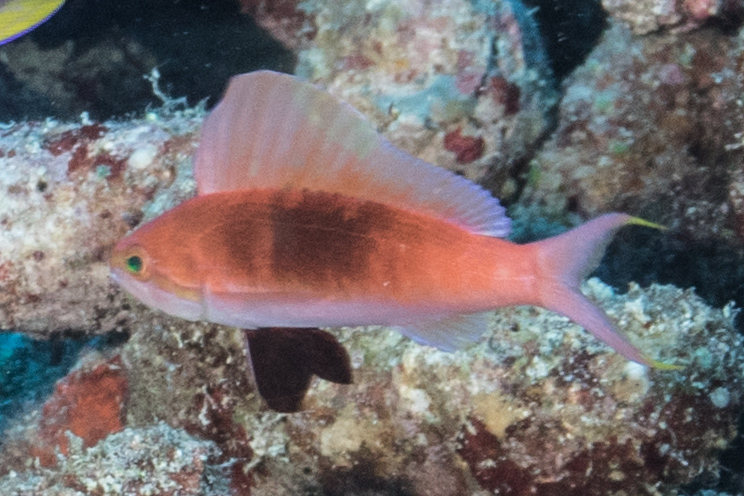
Princess Anthias
Pseudanthias smithvanizi
In Stock
Common stock
Wild Caught
Moderate care
With Caution
SKU: CB-MF-0201
The Princess Anthias boasts vibrant colors and a peaceful demeanor, making it a favorite for marine aquarists.
Pricing for Verified Importers
Log in to see wholesale prices and order.
Export Size
up to 10.0 cm
Origin
Indo-Pacific
Temperature
24.0–28.0°C
Min. Tank Size
200 L
Salinity
20.000–25.000 ppt
pH
8.10–8.40
Diet
carnivore
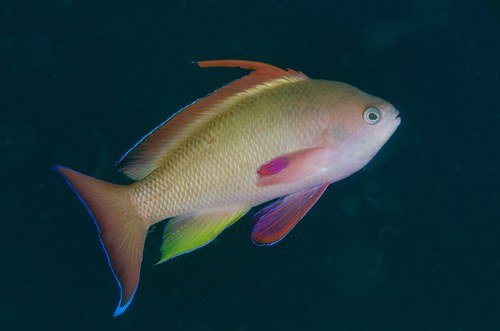
The Princess Anthias (Pseudanthias smithvanizi) is a striking marine fish known for its dazzling coloration and unique social behavior. Found predominantly in the coral reefs of the Indo-Pacific region, this species exhibits vibrant hues of pink, orange, and purple, particularly in males, which serve as a visual allure in aquariums. Females tend to be less colorful, displaying a more subdued palette that allows them to blend into their surroundings, providing a natural form of camouflage against potential predators.
In the wild, Princess Anthias inhabit areas of coral reef and rocky substrates, typically at depths ranging from 10 to 60 meters. They are often seen in small to large groups, where a stable social hierarchy forms. This species is known for its diurnal behavior, foraging during daylight hours for small zooplankton and crustaceans. Their social structure is fascinating, with males defending territories and courting females, which adds to their dynamic presence in the aquarium setting.
Princess Anthias are also notable for their ability to change sex in response to social cues, a trait that allows population stability in their natural habitats. This adaptability contributes to their resilience in changing environments. Their peaceful nature makes them compatible with a variety of tank mates, provided that the aquarium setup mimics their natural habitat, complete with ample hiding spots and open swimming areas.
Overall, the Princess Anthias is a captivating addition to any marine aquarium, bringing vibrant colors and lively behavior that can enhance the aesthetic appeal of the tank while also promoting biodiversity within captive environments.
In the wild, Princess Anthias inhabit areas of coral reef and rocky substrates, typically at depths ranging from 10 to 60 meters. They are often seen in small to large groups, where a stable social hierarchy forms. This species is known for its diurnal behavior, foraging during daylight hours for small zooplankton and crustaceans. Their social structure is fascinating, with males defending territories and courting females, which adds to their dynamic presence in the aquarium setting.
Princess Anthias are also notable for their ability to change sex in response to social cues, a trait that allows population stability in their natural habitats. This adaptability contributes to their resilience in changing environments. Their peaceful nature makes them compatible with a variety of tank mates, provided that the aquarium setup mimics their natural habitat, complete with ample hiding spots and open swimming areas.
Overall, the Princess Anthias is a captivating addition to any marine aquarium, bringing vibrant colors and lively behavior that can enhance the aesthetic appeal of the tank while also promoting biodiversity within captive environments.
When caring for Princess Anthias, maintaining optimal water parameters is crucial for their health and well-being. Ideal water temperature should range between 24-28°C, with a salinity of 1.020-1.025 ppt. The pH levels should be kept between 8.1 and 8.4. A minimum tank size of 200 liters is recommended to provide adequate space for swimming and social interaction.
Feeding these fish requires a varied diet, primarily consisting of high-quality marine flakes, granules, and live or frozen foods like brine shrimp and mysis shrimp. They are opportunistic feeders, so ensuring a diverse diet will promote their health and vibrant coloration. Compatibility is generally high with other peaceful marine species; however, caution should be taken when introducing them to aggressive tank mates.
Acclimation should be gradual, allowing these fish to adjust to their new environment without stress. It's advisable to use the drip acclimation method over several hours before introducing them to the main display tank. Quarantine new arrivals for at least two weeks to monitor for any signs of disease, ensuring the health of the established aquarium community before full introduction.
Feeding these fish requires a varied diet, primarily consisting of high-quality marine flakes, granules, and live or frozen foods like brine shrimp and mysis shrimp. They are opportunistic feeders, so ensuring a diverse diet will promote their health and vibrant coloration. Compatibility is generally high with other peaceful marine species; however, caution should be taken when introducing them to aggressive tank mates.
Acclimation should be gradual, allowing these fish to adjust to their new environment without stress. It's advisable to use the drip acclimation method over several hours before introducing them to the main display tank. Quarantine new arrivals for at least two weeks to monitor for any signs of disease, ensuring the health of the established aquarium community before full introduction.
Princess Anthias are well-suited for shipping due to their hardiness. Proper packing density of 1 fish per 2-3 liters is recommended to reduce stress during transit. It is essential to maintain a stable temperature between 24-26°C during shipping. No CITES status applies to this species, simplifying export procedures.
Species Parameters
Max Adult Size
10.0 cm
Origin
Indo-Pacific
Diet
carnivore
Temp Min
24.0 °C
Temp Max
28.0 °C
Salinity Min
20.000
Salinity Max
25.000
pH Min
8.10
pH Max
8.40
Min Tank
200 L