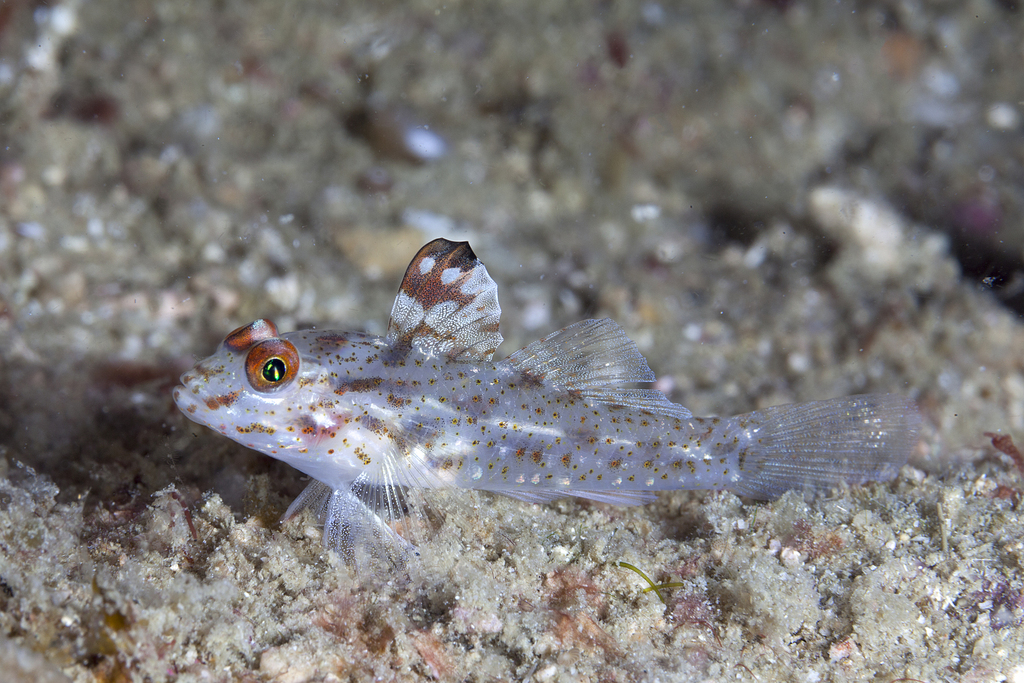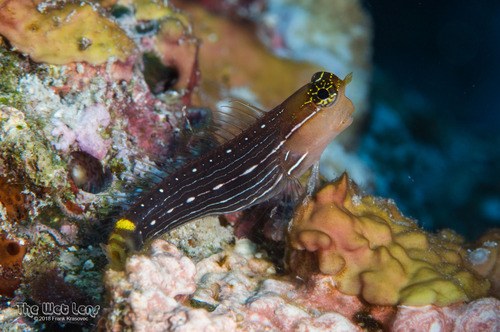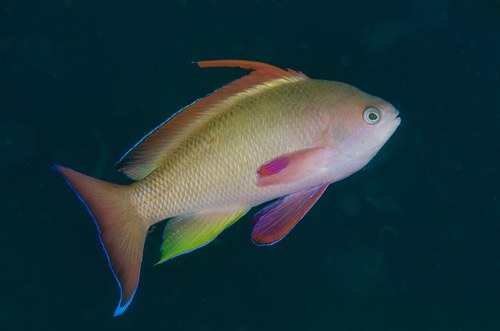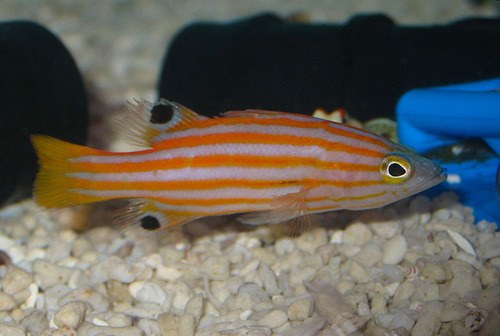
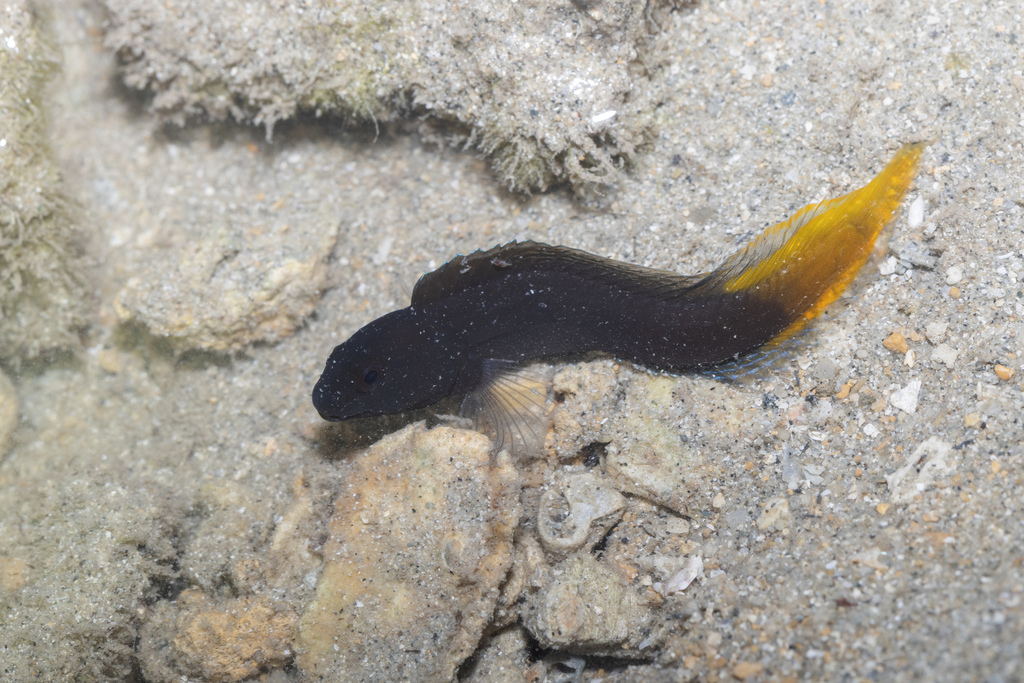
Yellowfin blenny/Yellowtail Black Blenny/combtooth blenny
enchelyurus flavipes
In Stock
Common stock
Wild Caught
Moderate care
With Caution
SKU: ML-MF-0105
The Yellowfin Blenny's vibrant colors and playful behavior make it a captivating addition to marine aquariums.
Pricing for Verified Importers
Log in to see wholesale prices and order.
Export Size
up to 10.0 cm
Origin
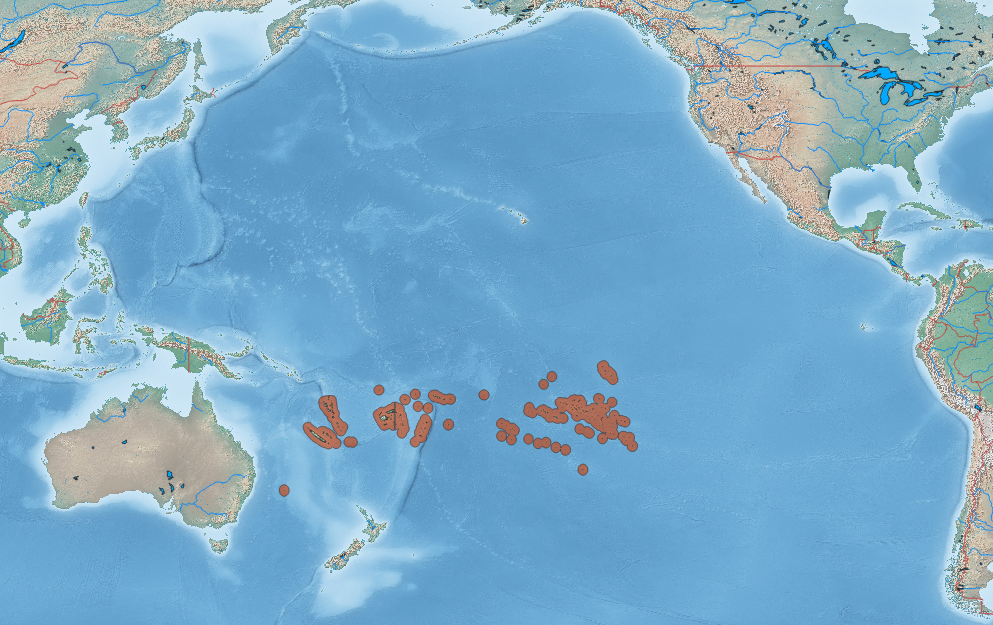
Indo-Pacific
Temperature
24.0–28.0°C
Min. Tank Size
100 L
Salinity
1.020–1.025 ppt
pH
8.10–8.40
Diet
herbivore
The Yellowfin Blenny (Enchelyurus flavipes), also known as the Yellowtail Black Blenny or Combtooth Blenny, is a captivating marine species found predominantly in the coral reefs of the Indo-Pacific region. This species is characterized by its striking yellow fins and a predominantly dark body, which allows it to blend seamlessly with its natural habitat while also showcasing its vibrant colors to onlookers. Adult Yellowfin Blennies typically reach a maximum size of around 10 cm, making them a manageable choice for aquarists.
In terms of behavior, the Yellowfin Blenny is known for its lively and curious nature. These fish are often observed darting in and out of crevices in the reef, using their elongated bodies and pectoral fins to navigate the rocky substrate. They are generally a social species, often found in small groups or pairs, and they exhibit territorial behavior, particularly during breeding seasons. Their unique feeding habits involve grazing on algae and small invertebrates, making them important contributors to the health of their ecosystems.
The natural habitat of the Yellowfin Blenny consists of shallow, reef-associated environments where they can find ample hiding spots among rocks and corals. These fish thrive in areas with abundant algae growth, which serves as their primary food source. Their preference for well-structured habitats means they are best suited to aquariums that replicate these conditions, providing plenty of hiding places and grazing opportunities.
Overall, the Yellowfin Blenny is a dynamic and visually striking fish that adds both color and activity to marine aquariums. Its unique adaptations and social behavior make it an interesting species for both novice and experienced aquarists alike.
In terms of behavior, the Yellowfin Blenny is known for its lively and curious nature. These fish are often observed darting in and out of crevices in the reef, using their elongated bodies and pectoral fins to navigate the rocky substrate. They are generally a social species, often found in small groups or pairs, and they exhibit territorial behavior, particularly during breeding seasons. Their unique feeding habits involve grazing on algae and small invertebrates, making them important contributors to the health of their ecosystems.
The natural habitat of the Yellowfin Blenny consists of shallow, reef-associated environments where they can find ample hiding spots among rocks and corals. These fish thrive in areas with abundant algae growth, which serves as their primary food source. Their preference for well-structured habitats means they are best suited to aquariums that replicate these conditions, providing plenty of hiding places and grazing opportunities.
Overall, the Yellowfin Blenny is a dynamic and visually striking fish that adds both color and activity to marine aquariums. Its unique adaptations and social behavior make it an interesting species for both novice and experienced aquarists alike.
When caring for the Yellowfin Blenny, it's essential to replicate their natural environment as closely as possible. Ideal water parameters include a temperature range of 24-28°C, salinity levels between 1.020 and 1.025 ppt, and a pH of 8.1 to 8.4. Regular water quality testing is crucial to ensure a stable environment, as these fish can be sensitive to fluctuations.
Feeding the Yellowfin Blenny should involve a diet rich in algae, as well as high-quality pellets or flakes designed for herbivorous fish. Supplementing their diet with occasional live or frozen foods like brine shrimp can also promote optimal health. Compatibility-wise, they generally coexist well with other peaceful species, but caution should be exercised with more aggressive tank mates that may intimidate them.
Acclimation is critical when introducing Yellowfin Blennies to a new tank. Gradual acclimation over several hours using the drip method is recommended to reduce stress. Quarantine new arrivals for at least two weeks to monitor for diseases and parasites before introducing them into the main display tank. This practice helps maintain the health of your aquarium and prevents the spread of any potential issues.
Feeding the Yellowfin Blenny should involve a diet rich in algae, as well as high-quality pellets or flakes designed for herbivorous fish. Supplementing their diet with occasional live or frozen foods like brine shrimp can also promote optimal health. Compatibility-wise, they generally coexist well with other peaceful species, but caution should be exercised with more aggressive tank mates that may intimidate them.
Acclimation is critical when introducing Yellowfin Blennies to a new tank. Gradual acclimation over several hours using the drip method is recommended to reduce stress. Quarantine new arrivals for at least two weeks to monitor for diseases and parasites before introducing them into the main display tank. This practice helps maintain the health of your aquarium and prevents the spread of any potential issues.
The Yellowfin Blenny is suitable for shipping, provided that proper care is taken during transportation. It is recommended to pack these fish in breathable bags with adequate water volume to minimize stress. The ideal shipping temperature should be maintained between 24-26°C. As for packing density, ensure that each bag contains no more than 1-2 fish to avoid overcrowding. Currently, there are no CITES restrictions for this species.
Species Parameters
Max Adult Size
10.0 cm
Origin
Indo-Pacific
Diet
herbivore
Temp Min
24.0 °C
Temp Max
28.0 °C
Salinity Min
1.020
Salinity Max
1.025
pH Min
8.10
pH Max
8.40
Min Tank
100 L