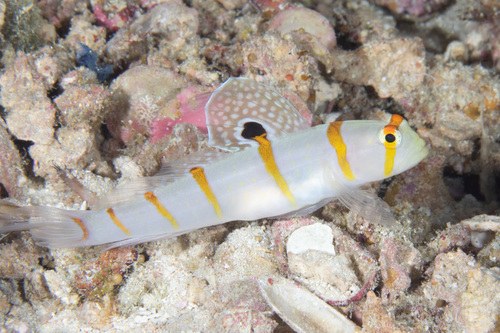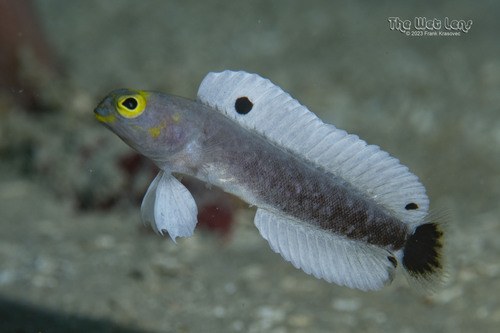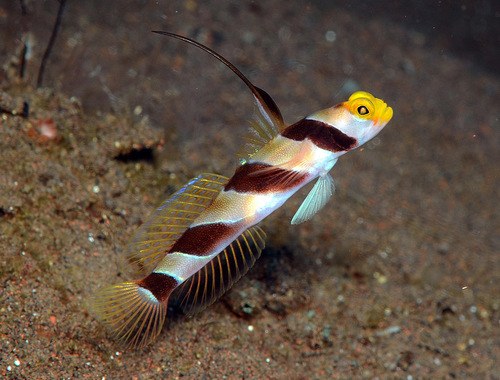
Yellowrose Goby
Stonogobiops nematodes
In Stock
Common stock
Wild Caught
Moderate care
With Caution
SKU: CB-MF-0230
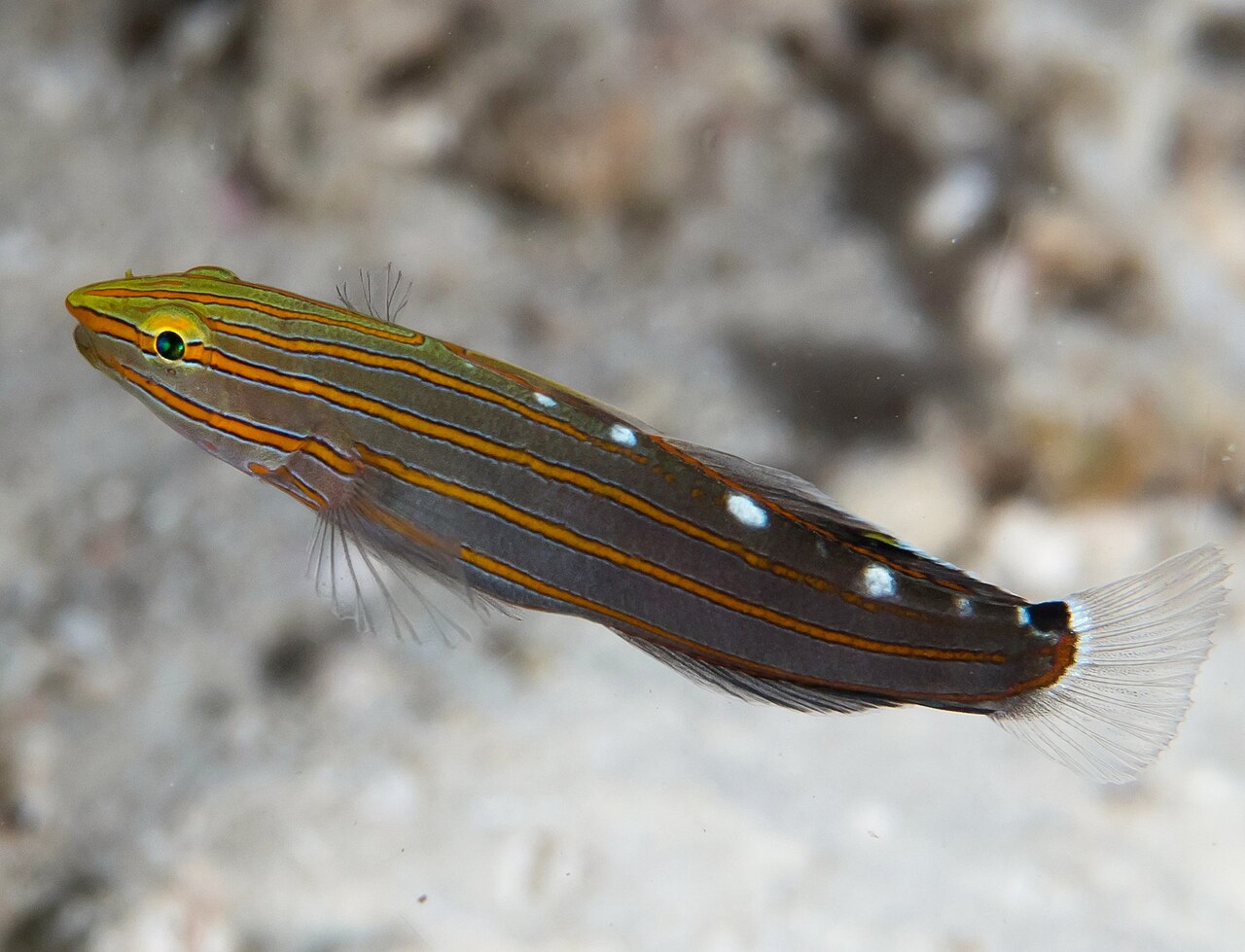
The Yellowrose Goby is a vibrant marine fish known for its striking colors and unique behavior.
Pricing for Verified Importers
Log in to see wholesale prices and order.
Export Size
up to 8.0 cm
Origin
Indo-Pacific
Temperature
24.0–28.0°C
Min. Tank Size
100 L
Salinity
1.020–1.025 ppt
pH
7.80–8.40
Diet
omnivore
Stonogobiops nematodes, commonly referred to as the Yellowrose Goby, is a captivating species native to the warm waters of the Indian Ocean and western Pacific Ocean, ranging from the Seychelles to the Philippines and Bali. This goby is characterized by its vibrant coloration, which typically features a mix of yellow, red, and blue hues, making it a popular choice among aquarists. The Yellowrose Goby is also notable for its distinctive filamentous fins, which add to its visual appeal and elegance in aquatic displays.
In their natural habitat, Yellowrose Gobies are often found in sandy or rubble substrates near coral reefs, where they establish burrows. They exhibit a unique behavior of forming symbiotic relationships with various shrimp species, particularly the Alpheus shrimp. These gobies serve as watchful sentinels for their shrimp partners, alerting them to potential predators, while the shrimp provide a safe dwelling for the goby within their burrows. This fascinating mutualism enhances the biodiversity of reef ecosystems.
Yellowrose Gobies are generally peaceful and social fish, thriving in small groups. They exhibit interesting behaviors such as darting in and out of their burrows and engaging in territorial displays. Their active nature, combined with their colorful appearance, makes them a delightful addition to marine aquariums, particularly in setups that mimic their natural environment with plenty of hiding spots and open sand areas for foraging.
As a species, they play an important role in their ecosystems, contributing to the health of coral reef communities. Their presence is indicative of a well-balanced marine environment, showcasing the intricate relationships that exist within these vibrant underwater habitats.
In their natural habitat, Yellowrose Gobies are often found in sandy or rubble substrates near coral reefs, where they establish burrows. They exhibit a unique behavior of forming symbiotic relationships with various shrimp species, particularly the Alpheus shrimp. These gobies serve as watchful sentinels for their shrimp partners, alerting them to potential predators, while the shrimp provide a safe dwelling for the goby within their burrows. This fascinating mutualism enhances the biodiversity of reef ecosystems.
Yellowrose Gobies are generally peaceful and social fish, thriving in small groups. They exhibit interesting behaviors such as darting in and out of their burrows and engaging in territorial displays. Their active nature, combined with their colorful appearance, makes them a delightful addition to marine aquariums, particularly in setups that mimic their natural environment with plenty of hiding spots and open sand areas for foraging.
As a species, they play an important role in their ecosystems, contributing to the health of coral reef communities. Their presence is indicative of a well-balanced marine environment, showcasing the intricate relationships that exist within these vibrant underwater habitats.
When caring for the Yellowrose Goby, it is essential to maintain stable water parameters to ensure their health and well-being. The ideal temperature range is between 24°C and 28°C, with a salinity level of 1.020 to 1.025 ppt. The pH should be kept between 7.8 and 8.4 to replicate their natural habitat. A minimum tank size of 100 liters is recommended to provide ample space for swimming and burrowing.
Feeding the Yellowrose Goby requires a diet that includes a mix of high-quality marine flakes, frozen foods, and live foods such as brine shrimp and mysis shrimp. They are generally omnivorous, and providing a varied diet will enhance their coloration and overall health. It's essential to feed them small amounts multiple times a day to mimic their natural foraging behavior.
In terms of compatibility, Yellowrose Gobies are peaceful and can be housed with other non-aggressive species. However, it's crucial to avoid keeping them with larger, more aggressive fish that may outcompete them for food or territory. Acclimation should be done gradually to reduce stress, using the drip acclimation method over several hours.
Quarantine new arrivals for at least two weeks before introducing them to the main tank to prevent the spread of any potential diseases. Monitoring water quality during this period is also vital to ensure a smooth transition.
Feeding the Yellowrose Goby requires a diet that includes a mix of high-quality marine flakes, frozen foods, and live foods such as brine shrimp and mysis shrimp. They are generally omnivorous, and providing a varied diet will enhance their coloration and overall health. It's essential to feed them small amounts multiple times a day to mimic their natural foraging behavior.
In terms of compatibility, Yellowrose Gobies are peaceful and can be housed with other non-aggressive species. However, it's crucial to avoid keeping them with larger, more aggressive fish that may outcompete them for food or territory. Acclimation should be done gradually to reduce stress, using the drip acclimation method over several hours.
Quarantine new arrivals for at least two weeks before introducing them to the main tank to prevent the spread of any potential diseases. Monitoring water quality during this period is also vital to ensure a smooth transition.
The Yellowrose Goby is well-suited for shipping, provided proper care is taken during transportation. They should be packed in breathable bags with sufficient water and oxygen to minimize stress. Maintaining a temperature range of 24°C to 26°C during shipping is crucial for their survival. The CITES status for this species is not listed, making it easier for export. However, adherence to local regulations and sustainability practices is encouraged.
Species Parameters
Max Adult Size
8.0 cm
Origin
Indo-Pacific
Diet
omnivore
Temp Min
24.0 °C
Temp Max
28.0 °C
Salinity Min
1.020
Salinity Max
1.025
pH Min
7.80
pH Max
8.40
Min Tank
100 L