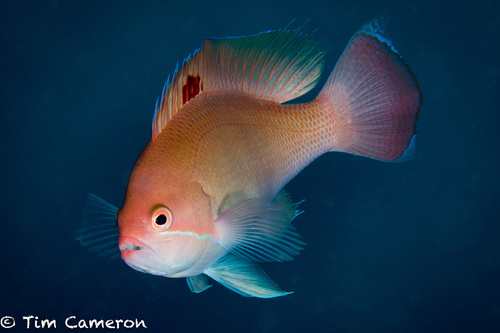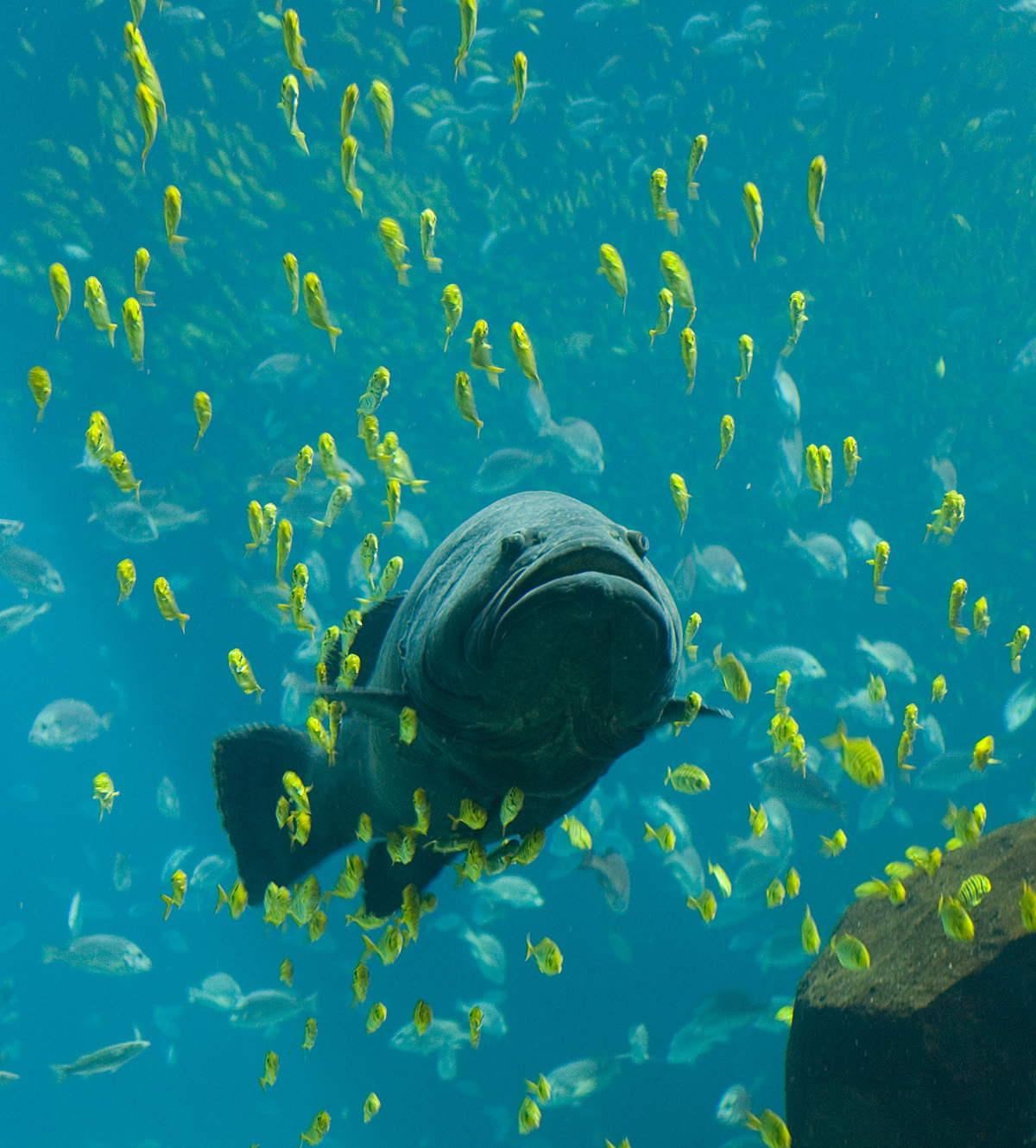
giant grouper
epinephelus lanceolatus (xl)
In Stock
Common stock
Wild Caught
Moderate care
With Caution
SKU: ML-MF-0336
The giant grouper is a majestic marine fish known for its impressive size and striking appearance.
Pricing for Verified Importers
Log in to see wholesale prices and order.
Export Size
up to 250.0 cm
Origin
Indo-Pacific
Temperature
24.0–28.0°C
Min. Tank Size
1,500 L
Salinity
32.000–36.000 ppt
pH
8.10–8.40
Diet
carnivore
The giant grouper, scientifically known as Epinephelus lanceolatus, is one of the largest bony fish found in tropical waters, typically inhabiting coral reefs and rocky substrates. This species can reach lengths of up to 2.5 meters (8.2 feet) and weigh over 400 kg (880 lbs), making it a formidable presence in its environment. Its robust body is characterized by a large head, thick lips, and a mouth filled with powerful teeth, adaptations that aid in its predatory lifestyle.
Giant groupers exhibit a mottled coloration that varies from brown to greenish hues, which provides excellent camouflage against the reef environment. Juveniles often display more vibrant colors and patterns, which gradually change as they mature. These fish are primarily solitary but can also be found in pairs or small groups, especially during breeding periods. Their behavior is generally characterized by a slow, deliberate swimming style, often lurking near structures where they ambush unsuspecting prey.
In terms of habitat, the giant grouper is predominantly found in shallow coastal waters of the Indo-Pacific region, thriving in coral reefs, lagoons, and rocky outcrops. They prefer environments with plenty of hiding spots to hunt and evade predators. As opportunistic feeders, their diet consists mainly of smaller fish, crustaceans, and cephalopods, showcasing their role as apex predators in their ecosystem.
Due to their size and unique biological characteristics, giant groupers are highly sought after in both the aquarium trade and culinary markets. Their impressive stature and striking appearance make them a prized addition to large marine aquariums, while their population is monitored for conservation efforts as they face threats from overfishing and habitat loss.
Giant groupers exhibit a mottled coloration that varies from brown to greenish hues, which provides excellent camouflage against the reef environment. Juveniles often display more vibrant colors and patterns, which gradually change as they mature. These fish are primarily solitary but can also be found in pairs or small groups, especially during breeding periods. Their behavior is generally characterized by a slow, deliberate swimming style, often lurking near structures where they ambush unsuspecting prey.
In terms of habitat, the giant grouper is predominantly found in shallow coastal waters of the Indo-Pacific region, thriving in coral reefs, lagoons, and rocky outcrops. They prefer environments with plenty of hiding spots to hunt and evade predators. As opportunistic feeders, their diet consists mainly of smaller fish, crustaceans, and cephalopods, showcasing their role as apex predators in their ecosystem.
Due to their size and unique biological characteristics, giant groupers are highly sought after in both the aquarium trade and culinary markets. Their impressive stature and striking appearance make them a prized addition to large marine aquariums, while their population is monitored for conservation efforts as they face threats from overfishing and habitat loss.
For successful care of giant groupers in captivity, it is essential to provide a spacious aquarium, with a minimum tank size of 1,500 liters to accommodate their large size. Water parameters should be closely monitored, maintaining a temperature range of 24-28°C, salinity between 32-36 ppt, and pH levels from 8.1 to 8.4 to mimic their natural habitat. Filtration must be robust, ensuring high water quality due to their sensitivity to pollutants.
Feeding giant groupers requires a varied diet rich in protein. They thrive on a combination of high-quality pellets, live or frozen fish, shrimp, and other marine organisms. Regular feeding should be done 2-3 times a week, ensuring that food items are appropriately sized to prevent choking. Compatibility with other species is limited due to their predatory nature; thus, they should be housed with similarly sized fish that can withstand their aggressive feeding behavior.
Acclimation is crucial for the health of giant groupers when introduced to a new tank. Gradual acclimation over several hours is recommended to reduce stress. Quarantine procedures should also be followed for new arrivals to avoid any potential introduction of disease to the main display tank. Maintaining optimal conditions and proper care will ensure the health and longevity of this magnificent species in captivity.
Feeding giant groupers requires a varied diet rich in protein. They thrive on a combination of high-quality pellets, live or frozen fish, shrimp, and other marine organisms. Regular feeding should be done 2-3 times a week, ensuring that food items are appropriately sized to prevent choking. Compatibility with other species is limited due to their predatory nature; thus, they should be housed with similarly sized fish that can withstand their aggressive feeding behavior.
Acclimation is crucial for the health of giant groupers when introduced to a new tank. Gradual acclimation over several hours is recommended to reduce stress. Quarantine procedures should also be followed for new arrivals to avoid any potential introduction of disease to the main display tank. Maintaining optimal conditions and proper care will ensure the health and longevity of this magnificent species in captivity.
Shipping giant groupers requires careful consideration due to their size and sensitivity to temperature changes. They should be packed in oxygenated bags with sufficient water to minimize stress during transport. A packing density of 1-2 fish per 200 liters is ideal to ensure adequate space. Maintaining a stable temperature between 22-26°C during transit is crucial. It’s important to note that giant groupers are listed under CITES Appendix II, indicating that trade must be regulated to prevent over-exploitation.
Species Parameters
Max Adult Size
250.0 cm
Origin
Indo-Pacific
Diet
carnivore
Temp Min
24.0 °C
Temp Max
28.0 °C
Salinity Min
32.000
Salinity Max
36.000
pH Min
8.10
pH Max
8.40
Min Tank
1500 L