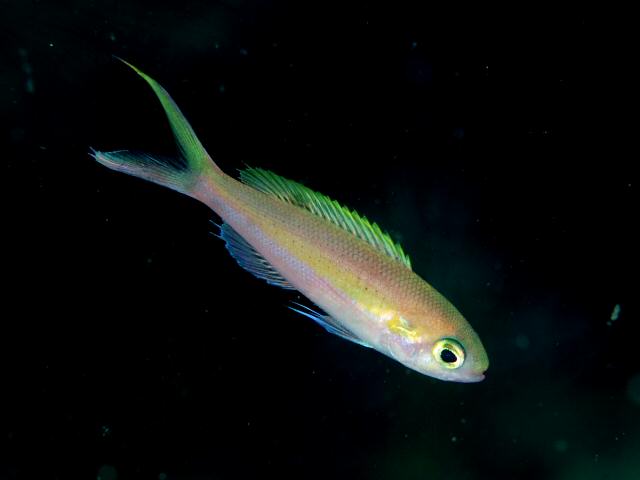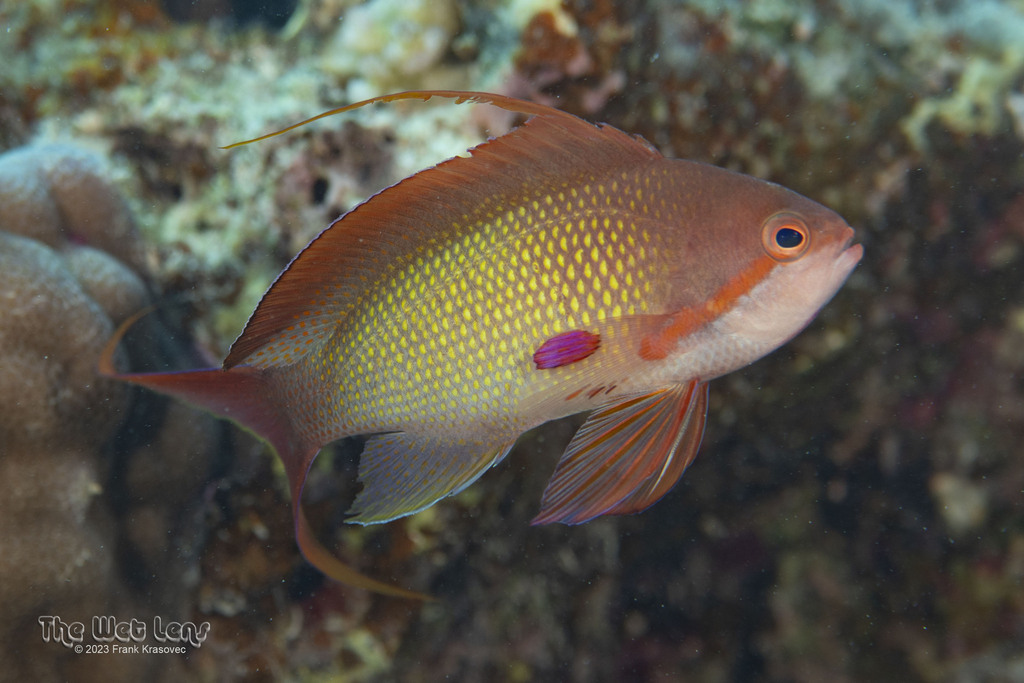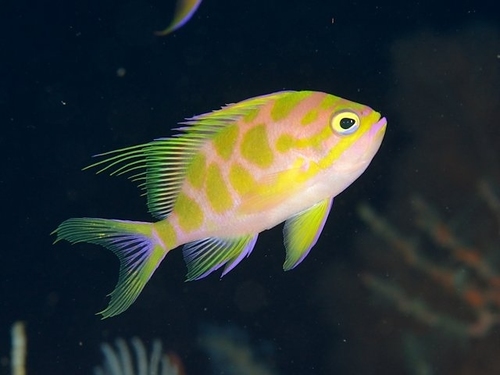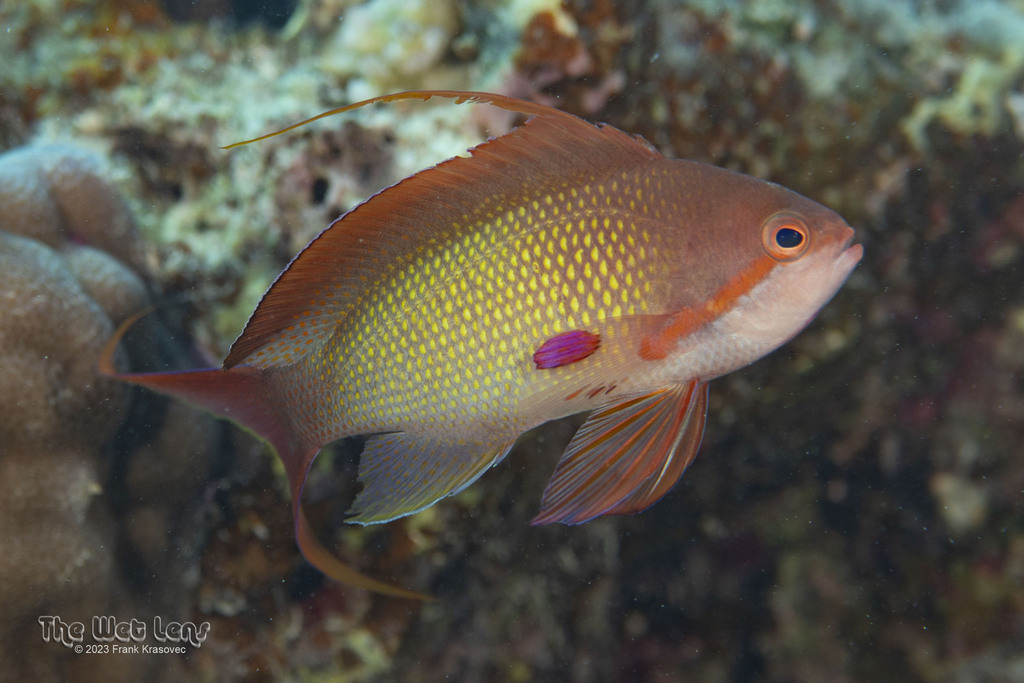
Peacock hind/argus grouper
cephalopholis argus
In Stock
Common stock
Wild Caught
Moderate care
With Caution
SKU: ML-MF-0330
The Peacock hind is a stunning marine fish known for its vibrant colors and unique patterns.
Pricing for Verified Importers
Log in to see wholesale prices and order.
Export Size
up to 50.0 cm
Origin
Indo-Pacific
Temperature
24.0–28.0°C
Min. Tank Size
300 L
Salinity
1.020–1.025 ppt
pH
8.10–8.40
Diet
carnivore
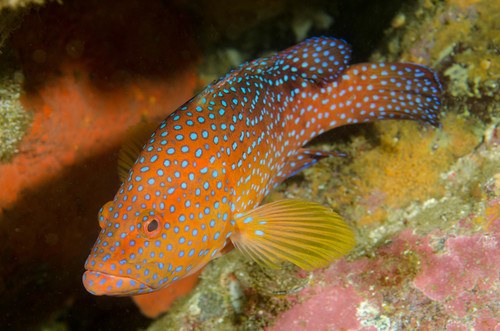
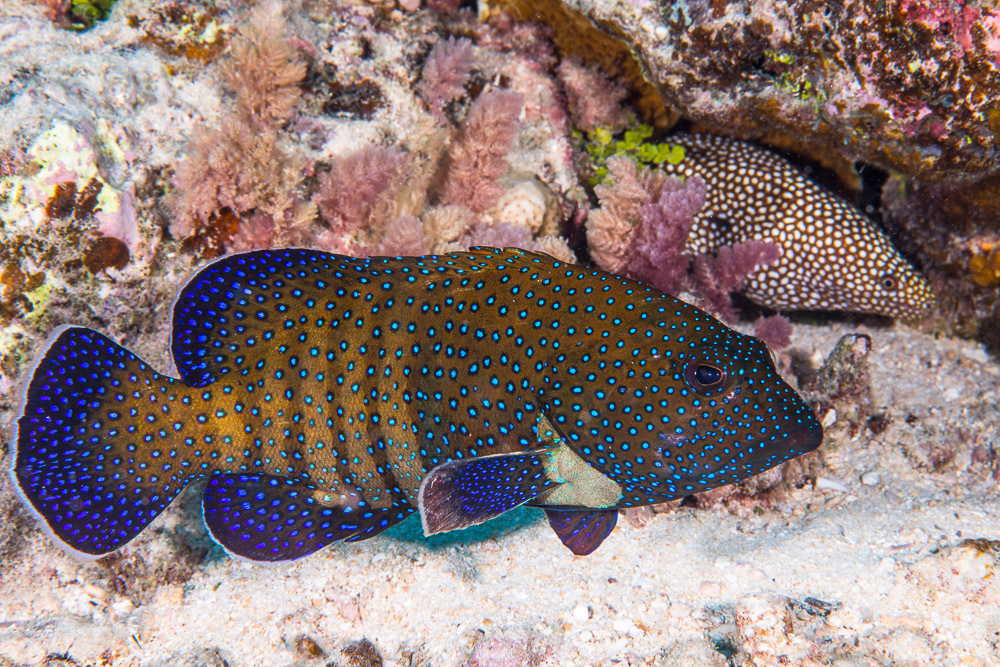
The Peacock hind, or argus grouper (Cephalopholis argus), is a striking marine fish native to the Indo-Pacific region. Known for its vivid coloration, this species exhibits a body adorned with blue and yellow spots, making it a favorite among aquarists. Adult individuals can reach lengths of up to 50 cm, showcasing their impressive size and beauty. Their coloration serves not only as a stunning visual but also as a means of communication and camouflage among the coral reefs they inhabit.
In the wild, Peacock hinds are typically found in shallow coastal waters, particularly around coral reefs and rocky substrates. They prefer environments with ample hiding spots, such as crevices and overhangs, which provide refuge from predators. These fish are primarily solitary, but they can also be spotted in small groups during feeding times. Their diet mainly consists of smaller fish and crustaceans, and they employ their ambush predation strategy to capture prey.
Behaviorally, Peacock hinds are known for their territorial nature, especially during breeding seasons. Males establish territories that they defend vigorously against intruders. Their vibrant displays, characterized by rapid color changes and body posturing, play a crucial role in attracting mates and establishing dominance. As a result, they are not just beautiful but also fascinating in terms of social behavior and interactions within their environment.
Overall, the Peacock hind is a captivating species that thrives in the vibrant ecosystems of coral reefs. Its unique combination of beauty and behavior makes it a desirable choice for aquarium enthusiasts and a key species for marine biodiversity conservation efforts.
In the wild, Peacock hinds are typically found in shallow coastal waters, particularly around coral reefs and rocky substrates. They prefer environments with ample hiding spots, such as crevices and overhangs, which provide refuge from predators. These fish are primarily solitary, but they can also be spotted in small groups during feeding times. Their diet mainly consists of smaller fish and crustaceans, and they employ their ambush predation strategy to capture prey.
Behaviorally, Peacock hinds are known for their territorial nature, especially during breeding seasons. Males establish territories that they defend vigorously against intruders. Their vibrant displays, characterized by rapid color changes and body posturing, play a crucial role in attracting mates and establishing dominance. As a result, they are not just beautiful but also fascinating in terms of social behavior and interactions within their environment.
Overall, the Peacock hind is a captivating species that thrives in the vibrant ecosystems of coral reefs. Its unique combination of beauty and behavior makes it a desirable choice for aquarium enthusiasts and a key species for marine biodiversity conservation efforts.
When caring for Peacock hinds in an aquarium setting, it is crucial to replicate their natural environment as closely as possible. The ideal water parameters include a temperature range of 24-28°C, a salinity between 1.020 and 1.025 ppt, and a pH level between 8.1 and 8.4. Ensuring stable conditions is essential to maintain their health and vibrancy.
Feeding Peacock hinds involves providing a varied diet rich in protein. High-quality marine pellets, frozen or live foods such as shrimp, small fish, and other seafood are ideal. Regular feeding, ideally 2-3 times a day, is recommended to mimic their natural hunting behavior and ensure they thrive in captivity.
In terms of compatibility, Peacock hinds can be territorial, especially in smaller tanks. They are best housed with larger, robust fish that can hold their own, avoiding smaller fish that may be seen as prey. Acclimation should be carried out slowly to reduce stress, ideally using a drip acclimation method over several hours. A quarantine period of at least two weeks is also advisable to monitor for any signs of disease or stress before introducing them to the main tank.
Feeding Peacock hinds involves providing a varied diet rich in protein. High-quality marine pellets, frozen or live foods such as shrimp, small fish, and other seafood are ideal. Regular feeding, ideally 2-3 times a day, is recommended to mimic their natural hunting behavior and ensure they thrive in captivity.
In terms of compatibility, Peacock hinds can be territorial, especially in smaller tanks. They are best housed with larger, robust fish that can hold their own, avoiding smaller fish that may be seen as prey. Acclimation should be carried out slowly to reduce stress, ideally using a drip acclimation method over several hours. A quarantine period of at least two weeks is also advisable to monitor for any signs of disease or stress before introducing them to the main tank.
Peacock hinds are suitable for shipping with proper care. They should be packed in breathable bags with adequate oxygen supply and minimal water to reduce stress during transport. A temperature range of 24-28°C is ideal to prevent thermal shock. This species is not listed under CITES, making shipping logistics more straightforward. However, it is crucial to monitor conditions closely to ensure their well-being during transit.
Species Parameters
Max Adult Size
50.0 cm
Origin
Indo-Pacific
Diet
carnivore
Temp Min
24.0 °C
Temp Max
28.0 °C
Salinity Min
1.020
Salinity Max
1.025
pH Min
8.10
pH Max
8.40
Min Tank
300 L