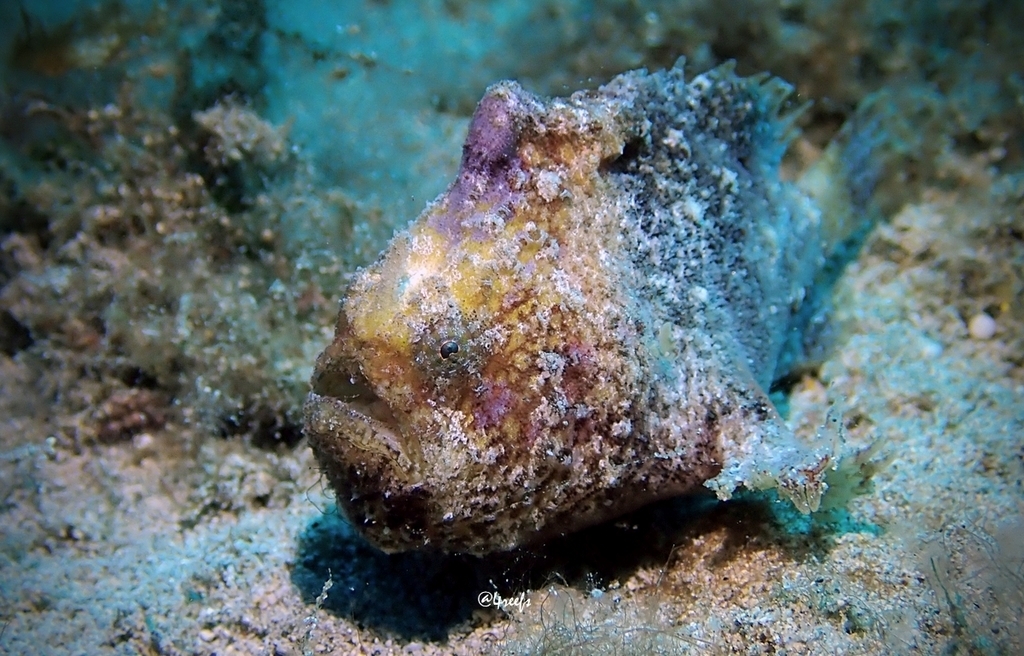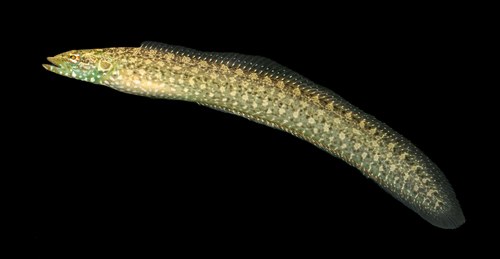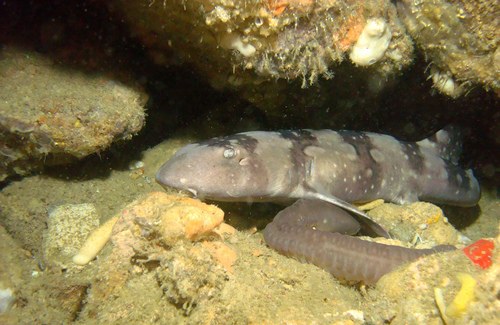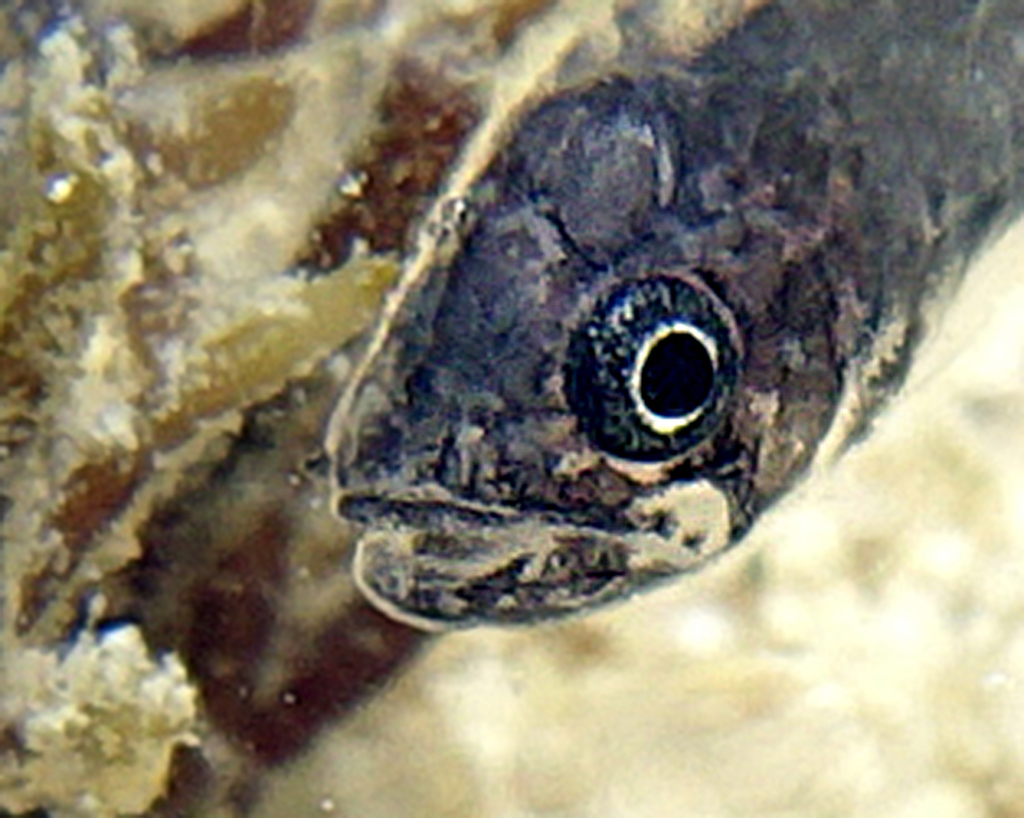
Freckled soapfish
rypticus bistrispinus
In Stock
Common stock
Wild Caught
Moderate care
With Caution
SKU: ML-MF-0086
The Freckled soapfish is a unique and lesser-known marine species, prized for its striking appearance and fascinating behavior.
Pricing for Verified Importers
Log in to see wholesale prices and order.
Export Size
up to 15.0 cm
Origin
Coral Triangle
Temperature
24.0–28.0°C
Min. Tank Size
100 L
Salinity
1.020–1.025 ppt
pH
8.10–8.40
Diet
carnivore
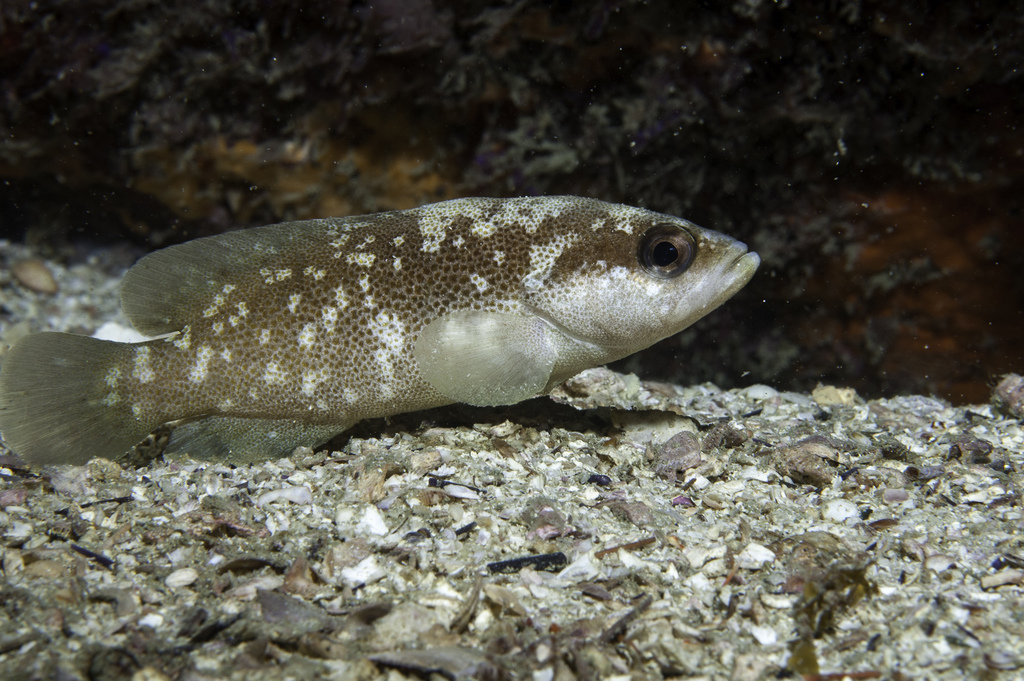
The Freckled soapfish (Rypitic bistrispinus) is a captivating marine fish native to the reefs of the Coral Triangle, particularly found around Bali, Indonesia. This species is characterized by its distinct coloration, featuring a mottled pattern of brown and yellow spots that give it a freckled appearance. These colors provide excellent camouflage against the coral and rocky substrates of its natural habitat, aiding in its predatory lifestyle. Adult soapfish typically reach a maximum length of around 15 cm, making them a moderately sized fish well-suited for various aquarium settings.
Freckled soapfish are primarily nocturnal hunters, displaying a fascinating behavior where they remain motionless during the day. They rely on their cryptic coloration for protection from larger predators. At night, they become active hunters, feeding on small invertebrates and fish. Soapfish are known for their ability to produce a toxic secretion from their skin, which deters potential threats and can even incapacitate smaller fish that attempt to prey on them. This remarkable adaptation makes them intriguing subjects for observation in aquariums.
In the wild, Freckled soapfish inhabit shallow reef areas, often found hiding in crevices and under ledges. They prefer environments with plenty of hiding spots, such as rocky reefs and coral gardens, where they can easily ambush prey. Their preference for structured habitats makes them a suitable addition to reef aquariums that replicate these conditions. Additionally, they thrive in stable environments, emphasizing the importance of maintaining water quality and parameters in captivity.
Overall, the Freckled soapfish is not only a visually appealing species but also offers unique behaviors that can enhance the diversity of marine life in any aquarium setting. Their intriguing nature and special adaptations make them a valuable addition for collectors and wholesalers alike.
Freckled soapfish are primarily nocturnal hunters, displaying a fascinating behavior where they remain motionless during the day. They rely on their cryptic coloration for protection from larger predators. At night, they become active hunters, feeding on small invertebrates and fish. Soapfish are known for their ability to produce a toxic secretion from their skin, which deters potential threats and can even incapacitate smaller fish that attempt to prey on them. This remarkable adaptation makes them intriguing subjects for observation in aquariums.
In the wild, Freckled soapfish inhabit shallow reef areas, often found hiding in crevices and under ledges. They prefer environments with plenty of hiding spots, such as rocky reefs and coral gardens, where they can easily ambush prey. Their preference for structured habitats makes them a suitable addition to reef aquariums that replicate these conditions. Additionally, they thrive in stable environments, emphasizing the importance of maintaining water quality and parameters in captivity.
Overall, the Freckled soapfish is not only a visually appealing species but also offers unique behaviors that can enhance the diversity of marine life in any aquarium setting. Their intriguing nature and special adaptations make them a valuable addition for collectors and wholesalers alike.
To successfully care for the Freckled soapfish, it is essential to replicate their natural habitat as closely as possible. They thrive in water temperatures between 24°C to 28°C, with a salinity level of 1.020 to 1.025 ppt. Regular water changes and monitoring of pH levels between 8.1 and 8.4 are crucial for their overall health. It is recommended to use a well-filtered system to maintain stable water quality, as soapfish can be sensitive to fluctuations.
Feeding the Freckled soapfish requires a varied diet, primarily consisting of live or frozen foods such as brine shrimp, mysis shrimp, and small fish. Providing a mix of protein-rich foods will help ensure they thrive in captivity. It is important to feed them in the evening to align with their natural nocturnal feeding habits.
In terms of compatibility, Freckled soapfish can be territorial, particularly with their own kind, and should ideally be kept in larger tanks to provide ample space. They are best housed with other species that are similarly sized and not overly aggressive. Acclimation should be gradual, introducing them to a new environment slowly to minimize stress. Quarantine of new arrivals for at least two weeks is recommended to prevent the introduction of diseases into established systems.
Overall, with the right conditions and care, Freckled soapfish can thrive in a marine aquarium, providing unique interaction and visual interest.
Feeding the Freckled soapfish requires a varied diet, primarily consisting of live or frozen foods such as brine shrimp, mysis shrimp, and small fish. Providing a mix of protein-rich foods will help ensure they thrive in captivity. It is important to feed them in the evening to align with their natural nocturnal feeding habits.
In terms of compatibility, Freckled soapfish can be territorial, particularly with their own kind, and should ideally be kept in larger tanks to provide ample space. They are best housed with other species that are similarly sized and not overly aggressive. Acclimation should be gradual, introducing them to a new environment slowly to minimize stress. Quarantine of new arrivals for at least two weeks is recommended to prevent the introduction of diseases into established systems.
Overall, with the right conditions and care, Freckled soapfish can thrive in a marine aquarium, providing unique interaction and visual interest.
The Freckled soapfish is suitable for shipping, but careful packing is essential to ensure their safety during transit. A packing density of 1 fish per 10 liters is recommended to minimize stress. They are sensitive to temperature changes, so maintaining a stable temperature between 24°C and 28°C during shipping is crucial. Currently, there are no CITES restrictions on this species, making it easier for exporters to handle.
Species Parameters
Max Adult Size
15.0 cm
Origin
Coral Triangle
Diet
carnivore
Temp Min
24.0 °C
Temp Max
28.0 °C
Salinity Min
1.020
Salinity Max
1.025
pH Min
8.10
pH Max
8.40
Min Tank
100 L