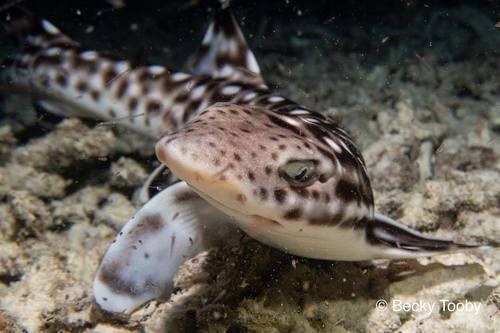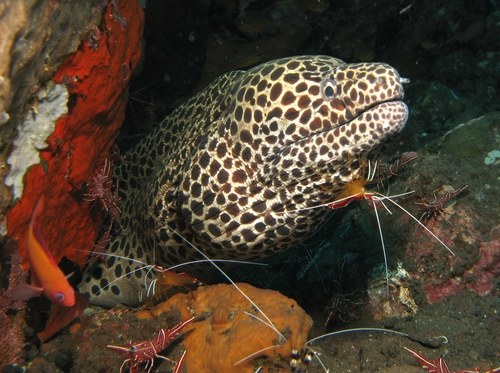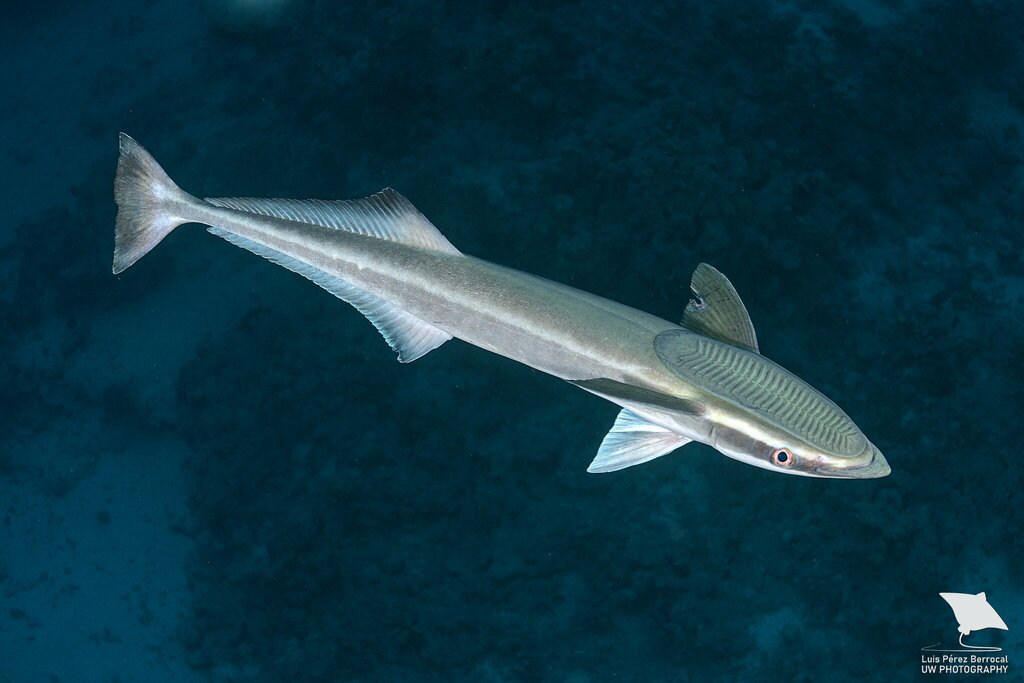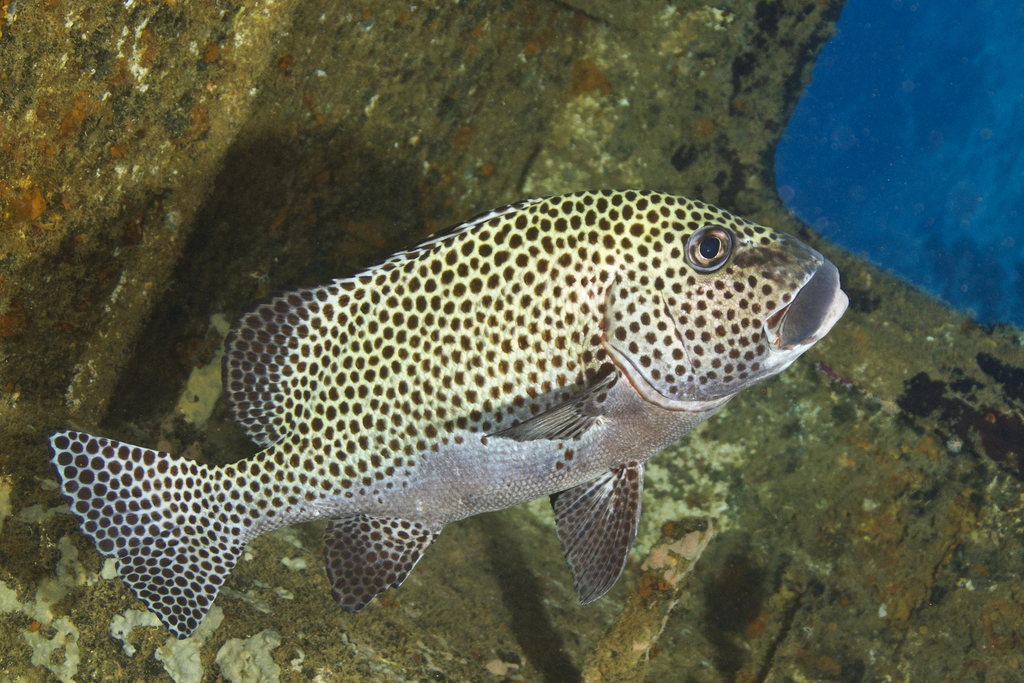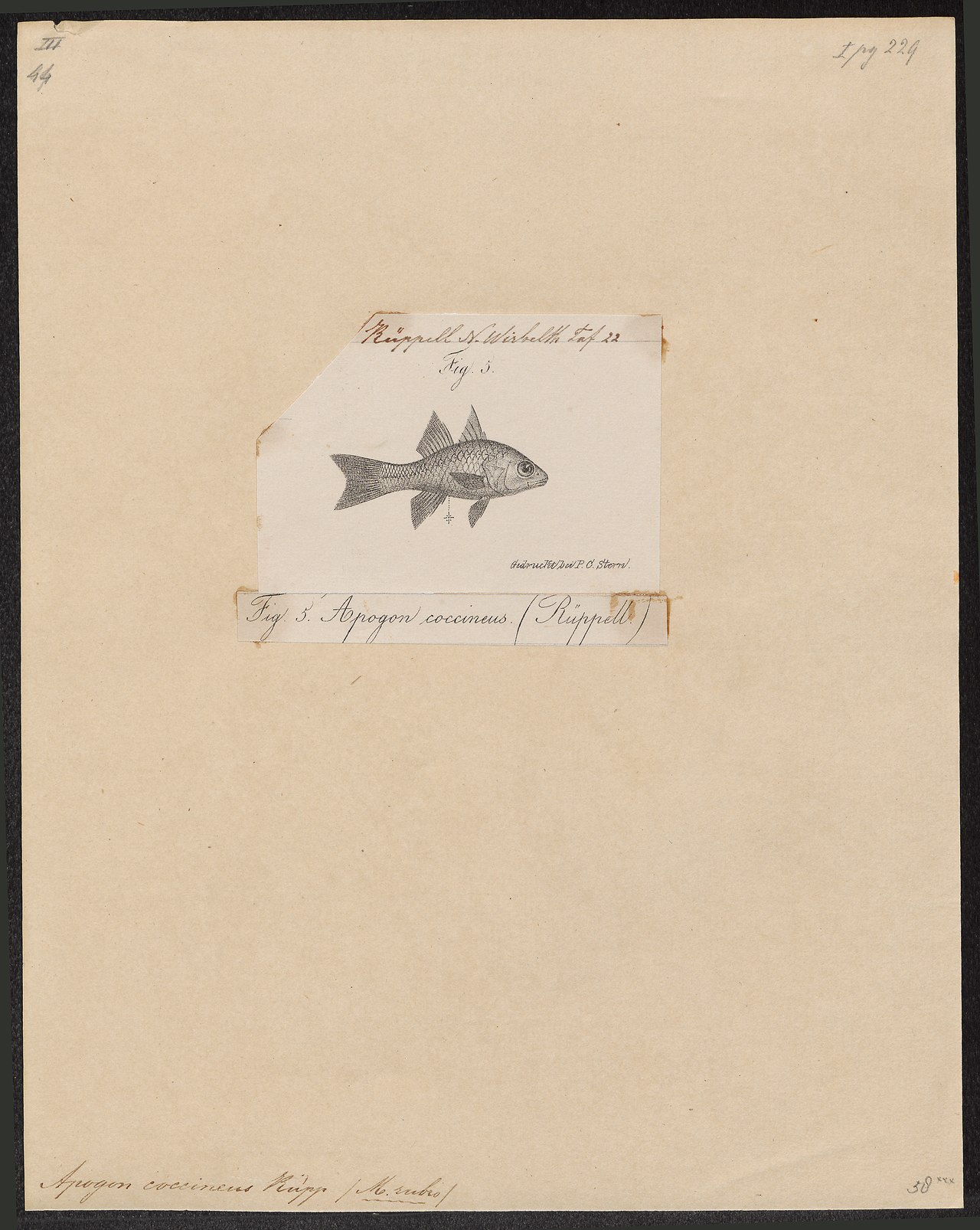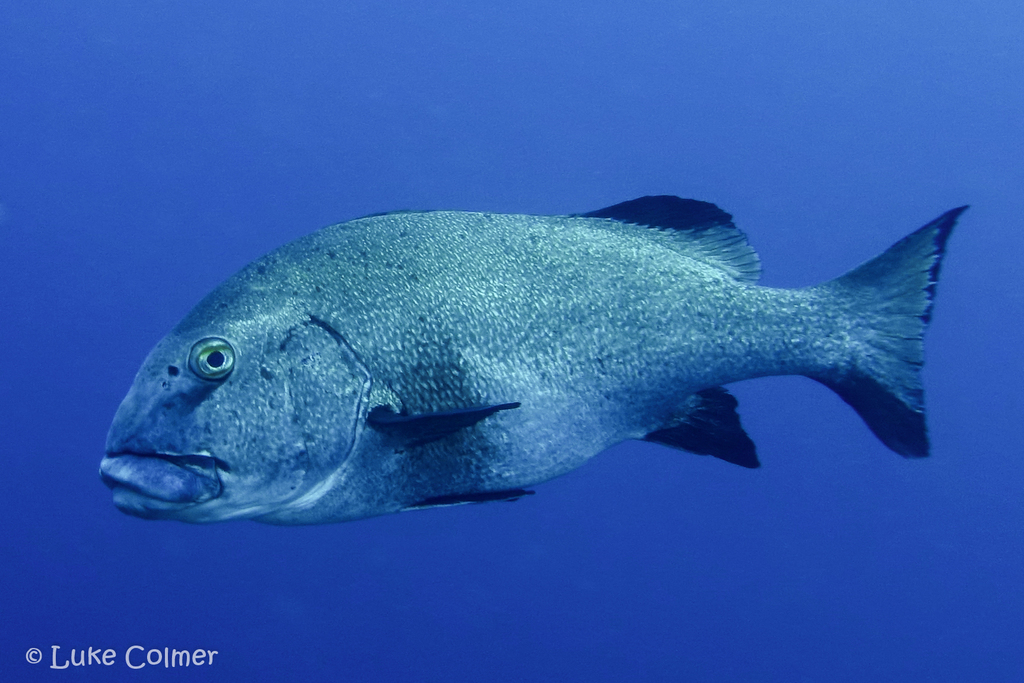
gaint sweetlips/two-striped sweetlips
plectorhinchus albovittatus
In Stock
Common stock
Wild Caught
Moderate care
With Caution
SKU: ML-MF-0264
The giant sweetlips is a striking marine fish known for its vibrant coloration and playful behavior.
Pricing for Verified Importers
Log in to see wholesale prices and order.
Export Size
up to 50.0 cm
Origin
Indo-Pacific
Temperature
24.0–28.0°C
Min. Tank Size
300 L
Salinity
32.000–35.000 ppt
pH
8.10–8.40
Diet
carnivore
Plectorhinchus albovittatus, commonly known as the giant sweetlips or two-striped sweetlips, is a stunning marine fish that inhabits the warm waters of the Indo-Pacific region. This species is characterized by its elongated body, large mouth, and distinctive color patterns that change as they mature. Juveniles display a bright yellow coloration with black spots, while adults transition to a more subdued hue with prominent white stripes, making them visually captivating for aquarium enthusiasts.
In terms of behavior, giant sweetlips are known for their inquisitive nature and social interactions. They are often found in small groups, and they exhibit a playful demeanor, making them a favorite among aquarists. These fish are primarily nocturnal, actively foraging for food at night, which adds an intriguing element to their care in captivity.
Giant sweetlips prefer shallow coral reefs and lagoons, where they can find ample food and shelter. They are typically found at depths ranging from 1 to 30 meters, where they graze on benthic invertebrates, crustaceans, and small fish. Their natural habitat plays a crucial role in their health, requiring importers and retailers to replicate these conditions to maintain their well-being in captivity.
In terms of behavior, giant sweetlips are known for their inquisitive nature and social interactions. They are often found in small groups, and they exhibit a playful demeanor, making them a favorite among aquarists. These fish are primarily nocturnal, actively foraging for food at night, which adds an intriguing element to their care in captivity.
Giant sweetlips prefer shallow coral reefs and lagoons, where they can find ample food and shelter. They are typically found at depths ranging from 1 to 30 meters, where they graze on benthic invertebrates, crustaceans, and small fish. Their natural habitat plays a crucial role in their health, requiring importers and retailers to replicate these conditions to maintain their well-being in captivity.
When importing and caring for giant sweetlips, maintaining stable water parameters is essential. Ideal temperature ranges between 24°C to 28°C, with a salinity of 32-35 ppt. The pH should be kept between 8.1 and 8.4 to mimic their natural environment. A minimum tank size of 300 liters is recommended to provide ample swimming space and to accommodate their social behavior.
Feeding giant sweetlips is relatively straightforward, as they are carnivorous and thrive on a diet rich in meaty foods. High-quality marine pellets, frozen or live foods such as shrimp, squid, and other crustaceans will suffice. It is crucial to feed them multiple times a day to ensure their health and vitality.
Compatibility is another key aspect; while giant sweetlips can coexist with various reef fish, caution should be taken to avoid aggression from territorial species. Acclimation should be gradual to reduce stress, with a quarantine period of at least two weeks recommended to monitor for any signs of disease before introducing them into the main tank.
Feeding giant sweetlips is relatively straightforward, as they are carnivorous and thrive on a diet rich in meaty foods. High-quality marine pellets, frozen or live foods such as shrimp, squid, and other crustaceans will suffice. It is crucial to feed them multiple times a day to ensure their health and vitality.
Compatibility is another key aspect; while giant sweetlips can coexist with various reef fish, caution should be taken to avoid aggression from territorial species. Acclimation should be gradual to reduce stress, with a quarantine period of at least two weeks recommended to monitor for any signs of disease before introducing them into the main tank.
Giant sweetlips are suitable for air shipping, provided they are packed with adequate space and oxygen to ensure their comfort during transit. A packing density of 1-2 fish per liter is recommended to minimize stress. They are sensitive to temperature fluctuations, so maintaining a stable range during transport is vital. The species is not listed under CITES, but it is essential to check local regulations before exporting.
Species Parameters
Max Adult Size
50.0 cm
Origin
Indo-Pacific
Diet
carnivore
Temp Min
24.0 °C
Temp Max
28.0 °C
Salinity Min
32.000
Salinity Max
35.000
pH Min
8.10
pH Max
8.40
Min Tank
300 L