Long-fin Bannerfish
Heniochus acuminatus
In Stock
Common stock
Wild Caught
Moderate care
With Caution
SKU: CB-MF-0279
The Long-fin Bannerfish is a stunning marine species known for its striking coloration and graceful fins.
Pricing for Verified Importers
Log in to see wholesale prices and order.
Export Size
up to 25.0 cm
Origin
Indo-Pacific
Temperature
24.0–28.0°C
Min. Tank Size
200 L
Salinity
35.000–35.000 ppt
pH
8.10–8.40
Diet
omnivore
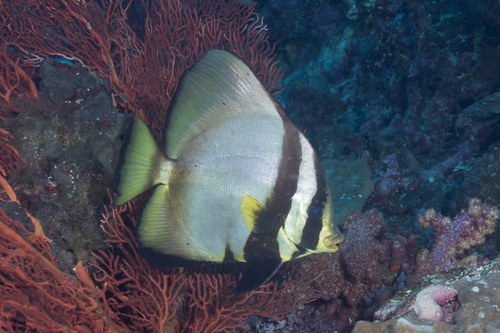
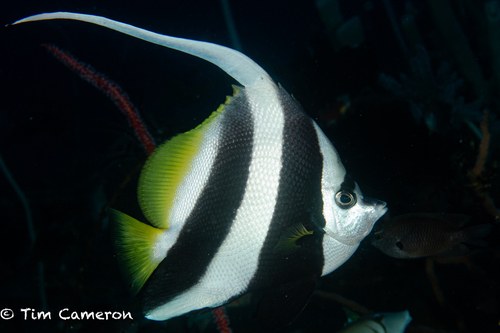
The Long-fin Bannerfish (Heniochus acuminatus), commonly referred to as the pennant coralfish, is a visually captivating marine species belonging to the Chaetodontidae family. This fish is predominantly found in the warm, shallow waters of the Indo-Pacific region, particularly around coral reefs where it thrives in vibrant ecosystems. Its distinctive long, flowing fins and bold black and white stripes make it a favorite among aquarium enthusiasts and a sought-after species in the ornamental fish trade.
In terms of appearance, the Long-fin Bannerfish exhibits an elegant body shape, characterized by its elongated dorsal fin that can reach impressive lengths, giving it a banner-like appearance as it glides through the water. Adults typically showcase a striking contrast of black and white coloration, with a hint of yellow on the dorsal fin and a more muted palette in juvenile specimens. This color pattern not only enhances its aesthetic appeal but also serves as a form of camouflage among the corals and anemones of its natural habitat.
Behaviorally, Long-fin Bannerfish are known to be peaceful and social creatures, often found in small groups or pairs. They feed primarily on zooplankton and small invertebrates, showcasing their foraging skills as they navigate through the coral structures. Their active swimming style and inquisitive nature make them a joy to observe, both in the wild and in aquarium settings. The species also exhibits a form of symbiosis with sea anemones, providing protection to their young while gaining safety in return.
In terms of habitat, Long-fin Bannerfish prefer to reside in shallow lagoons and reef flats, where they can easily access their food sources and find shelter from predators. The presence of healthy coral reefs is crucial for their survival, as these environments provide not only food but also breeding grounds. Protecting these habitats is essential for ensuring the ongoing availability of this remarkable species in the marine aquarium trade.
In terms of appearance, the Long-fin Bannerfish exhibits an elegant body shape, characterized by its elongated dorsal fin that can reach impressive lengths, giving it a banner-like appearance as it glides through the water. Adults typically showcase a striking contrast of black and white coloration, with a hint of yellow on the dorsal fin and a more muted palette in juvenile specimens. This color pattern not only enhances its aesthetic appeal but also serves as a form of camouflage among the corals and anemones of its natural habitat.
Behaviorally, Long-fin Bannerfish are known to be peaceful and social creatures, often found in small groups or pairs. They feed primarily on zooplankton and small invertebrates, showcasing their foraging skills as they navigate through the coral structures. Their active swimming style and inquisitive nature make them a joy to observe, both in the wild and in aquarium settings. The species also exhibits a form of symbiosis with sea anemones, providing protection to their young while gaining safety in return.
In terms of habitat, Long-fin Bannerfish prefer to reside in shallow lagoons and reef flats, where they can easily access their food sources and find shelter from predators. The presence of healthy coral reefs is crucial for their survival, as these environments provide not only food but also breeding grounds. Protecting these habitats is essential for ensuring the ongoing availability of this remarkable species in the marine aquarium trade.
To successfully care for Long-fin Bannerfish, aquarium importers and retailers must maintain optimal water parameters. The ideal temperature range is between 24°C and 28°C, with a salinity of 1.020 to 1.025 ppt. A pH level between 8.1 and 8.4 is recommended to mimic their natural habitat. Providing a minimum tank size of 200 liters is essential to accommodate their swimming needs and to create a suitable environment.
Feeding Long-fin Bannerfish is straightforward; they thrive on a varied diet that includes high-quality flakes, frozen foods, and live plankton. It is important to ensure that they receive a balanced diet to promote healthy growth and vibrant coloration. Compatibility-wise, they tend to do well with other peaceful marine species, but caution should be exercised when introducing them to aggressive tankmates.
Acclimation is a critical step in ensuring the health of Long-fin Bannerfish after importation. Implement a slow drip acclimation process over several hours to help them adjust to the new water conditions. Quarantine new arrivals for 2-4 weeks to monitor for any signs of disease and to prevent potential outbreaks in the main display tank.
Feeding Long-fin Bannerfish is straightforward; they thrive on a varied diet that includes high-quality flakes, frozen foods, and live plankton. It is important to ensure that they receive a balanced diet to promote healthy growth and vibrant coloration. Compatibility-wise, they tend to do well with other peaceful marine species, but caution should be exercised when introducing them to aggressive tankmates.
Acclimation is a critical step in ensuring the health of Long-fin Bannerfish after importation. Implement a slow drip acclimation process over several hours to help them adjust to the new water conditions. Quarantine new arrivals for 2-4 weeks to monitor for any signs of disease and to prevent potential outbreaks in the main display tank.
Long-fin Bannerfish are suitable for shipping and can tolerate moderate packing densities. However, it is crucial to maintain water temperatures between 24°C and 28°C during transport to prevent stress. Proper oxygenation and insulated packaging are recommended to ensure their well-being during transit. This species is not listed under CITES, simplifying export regulations.
Species Parameters
Max Adult Size
25.0 cm
Origin
Indo-Pacific
Diet
omnivore
Temp Min
24.0 °C
Temp Max
28.0 °C
Salinity Min
35.000
Salinity Max
35.000
pH Min
8.10
pH Max
8.40
Min Tank
200 L