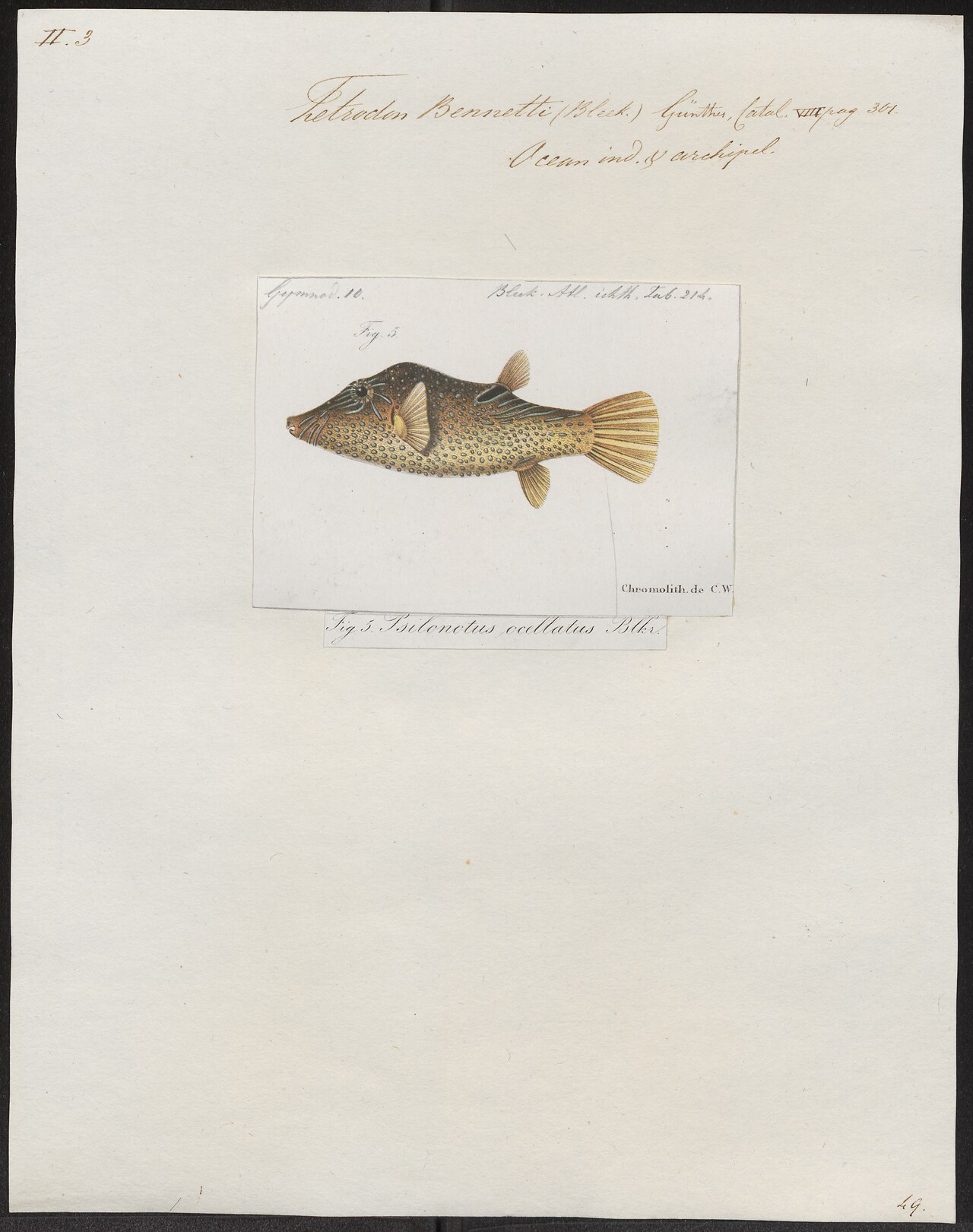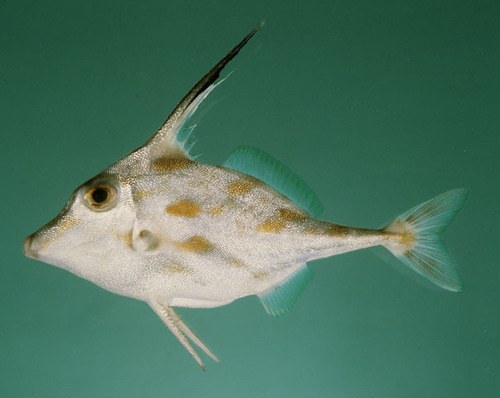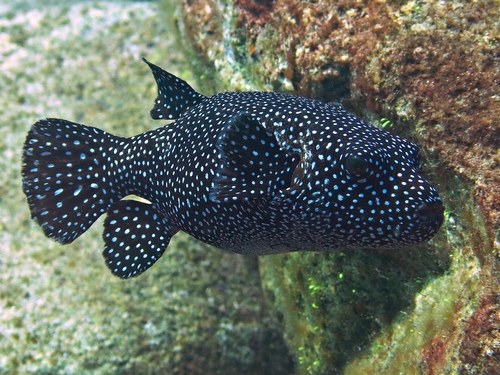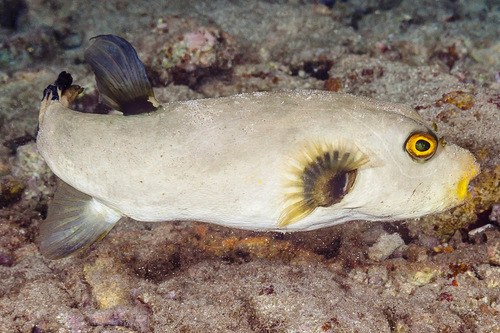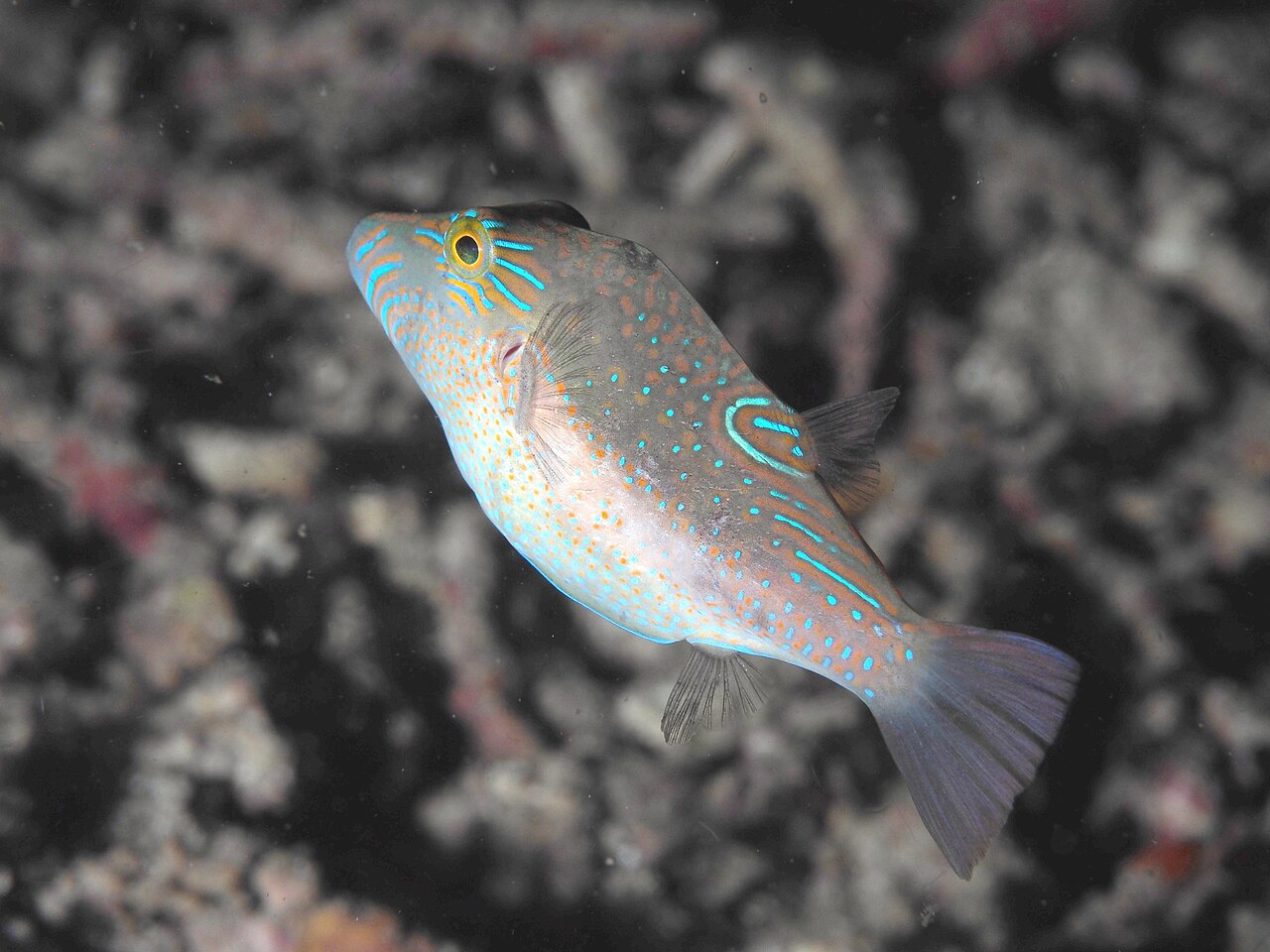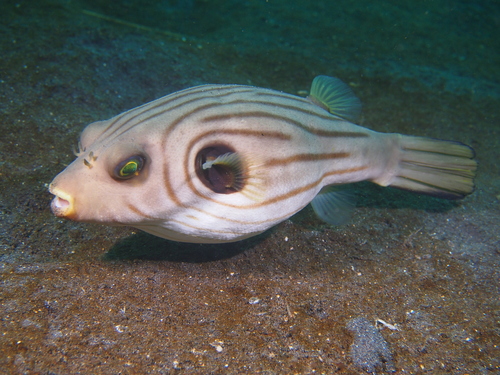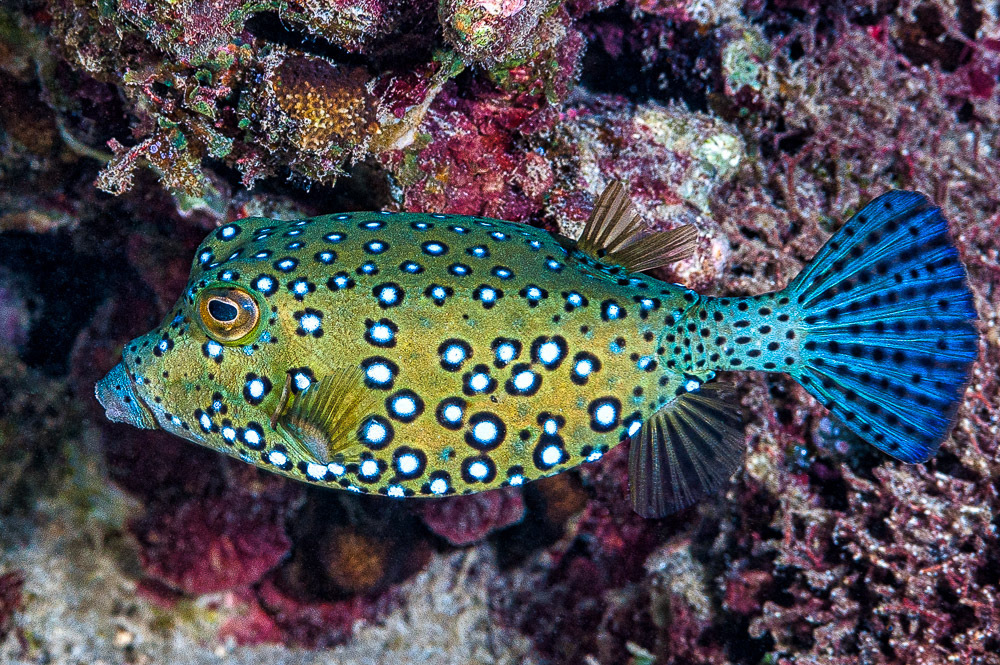
Horn Nosed Boxfish
Ostracion rhinochynchos
In Stock
Common stock
Wild Caught
Moderate care
With Caution
SKU: CB-MF-0186
Discover the unique charm of the Horn Nosed Boxfish, a captivating marine species with an intriguing appearance.
Pricing for Verified Importers
Log in to see wholesale prices and order.
Export Size
up to 30.0 cm
Origin
Indo-Pacific
Temperature
24.0–28.0°C
Min. Tank Size
200 L
Salinity
1.020–1.025 ppt
pH
8.10–8.40
Diet
omnivore
The Horn Nosed Boxfish (Ostracion rhinochynchos) is a fascinating marine fish known for its distinctively shaped head and vibrant coloration. This species can be recognized by its unique horn-like projections above the eyes and a boxy, rigid body covered in a bony shell. The coloration varies from yellow to blue with dark spots, making it a visually striking addition to any aquarium. Typically found in shallow coastal waters, they inhabit coral reefs and lagoons across the Indo-Pacific region.
In terms of behavior, the Horn Nosed Boxfish is relatively peaceful but can exhibit territorial tendencies, especially towards similar-shaped species. They are primarily diurnal and often seen swimming among coral structures, foraging for food. Their unique swimming style, characterized by a slow and deliberate movement, enhances their appeal in both natural habitats and aquariums. They are also known to release toxins when stressed, which can affect tank mates, making careful consideration of their companions necessary.
The Horn Nosed Boxfish thrives in environments with plenty of hiding spots, such as crevices in rocks and coral. Their natural habitat's biodiversity contributes to their dietary needs, as they graze on small invertebrates and algae. In the wild, they play an essential role in maintaining the ecological balance of their ecosystems by controlling algae growth and serving as prey for larger predators.
This species is not only a wonder to observe but also serves as an important indicator of reef health. As environmental changes affect coral reefs, the presence or absence of species like the Horn Nosed Boxfish can signify shifts in ecosystem dynamics, making them valuable to marine biologists and conservationists alike.
In terms of behavior, the Horn Nosed Boxfish is relatively peaceful but can exhibit territorial tendencies, especially towards similar-shaped species. They are primarily diurnal and often seen swimming among coral structures, foraging for food. Their unique swimming style, characterized by a slow and deliberate movement, enhances their appeal in both natural habitats and aquariums. They are also known to release toxins when stressed, which can affect tank mates, making careful consideration of their companions necessary.
The Horn Nosed Boxfish thrives in environments with plenty of hiding spots, such as crevices in rocks and coral. Their natural habitat's biodiversity contributes to their dietary needs, as they graze on small invertebrates and algae. In the wild, they play an essential role in maintaining the ecological balance of their ecosystems by controlling algae growth and serving as prey for larger predators.
This species is not only a wonder to observe but also serves as an important indicator of reef health. As environmental changes affect coral reefs, the presence or absence of species like the Horn Nosed Boxfish can signify shifts in ecosystem dynamics, making them valuable to marine biologists and conservationists alike.
For successful care of the Horn Nosed Boxfish, it is crucial to maintain stable water parameters. The ideal temperature range is between 24°C to 28°C, with a salinity of 1.020 to 1.025 ppt. The pH level should be kept between 8.1 and 8.4. A minimum tank size of 200 liters is recommended to provide ample swimming space and hiding spots, as they can become stressed in smaller environments.
Feeding should consist of a varied diet that includes high-quality marine pellets, frozen or live foods such as brine shrimp and mysis shrimp, and algae. It is important to offer small portions multiple times a day rather than large meals to mimic their natural feeding behavior. When it comes to compatibility, the Horn Nosed Boxfish can be housed with other peaceful species but should be kept away from aggressive fish and similar-shaped species that may provoke territorial disputes.
Acclimation should be done gradually to reduce stress; floating the sealed bag in the aquarium for 15-20 minutes before releasing the fish is recommended. Quarantine new arrivals for at least two weeks to monitor for any signs of illness before introducing them to the main display tank.
Feeding should consist of a varied diet that includes high-quality marine pellets, frozen or live foods such as brine shrimp and mysis shrimp, and algae. It is important to offer small portions multiple times a day rather than large meals to mimic their natural feeding behavior. When it comes to compatibility, the Horn Nosed Boxfish can be housed with other peaceful species but should be kept away from aggressive fish and similar-shaped species that may provoke territorial disputes.
Acclimation should be done gradually to reduce stress; floating the sealed bag in the aquarium for 15-20 minutes before releasing the fish is recommended. Quarantine new arrivals for at least two weeks to monitor for any signs of illness before introducing them to the main display tank.
The Horn Nosed Boxfish is sensitive to temperature changes and should be shipped at temperatures between 24°C and 26°C to ensure their well-being. Packing density should be low to allow for adequate oxygen exchange. As this species is not listed under CITES, export regulations are minimal; however, adherence to local wildlife conservation laws remains essential.
Species Parameters
Max Adult Size
30.0 cm
Origin
Indo-Pacific
Diet
omnivore
Temp Min
24.0 °C
Temp Max
28.0 °C
Salinity Min
1.020
Salinity Max
1.025
pH Min
8.10
pH Max
8.40
Min Tank
200 L