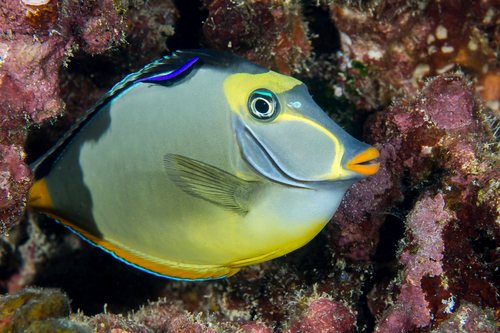
Orange-Spine Unicornfish
Naso lituratus
In Stock
Occasional stock
Wild Caught
Moderate care
Reef Safe ✓
SKU: D151A
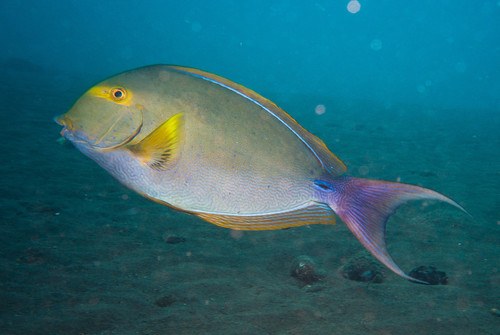
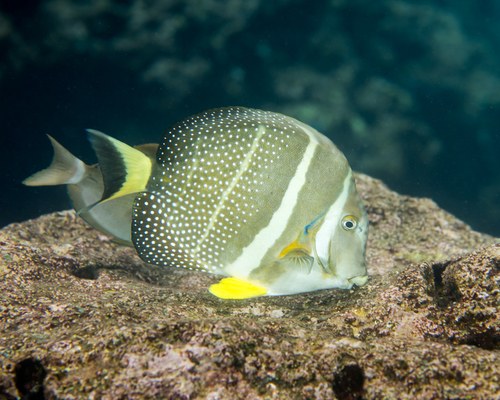
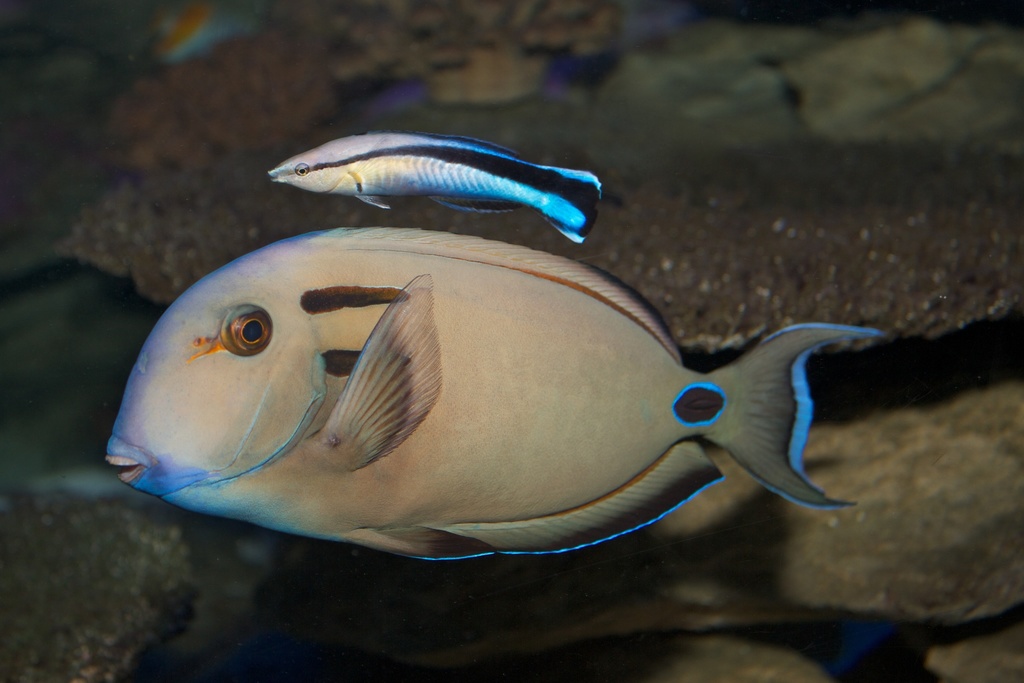
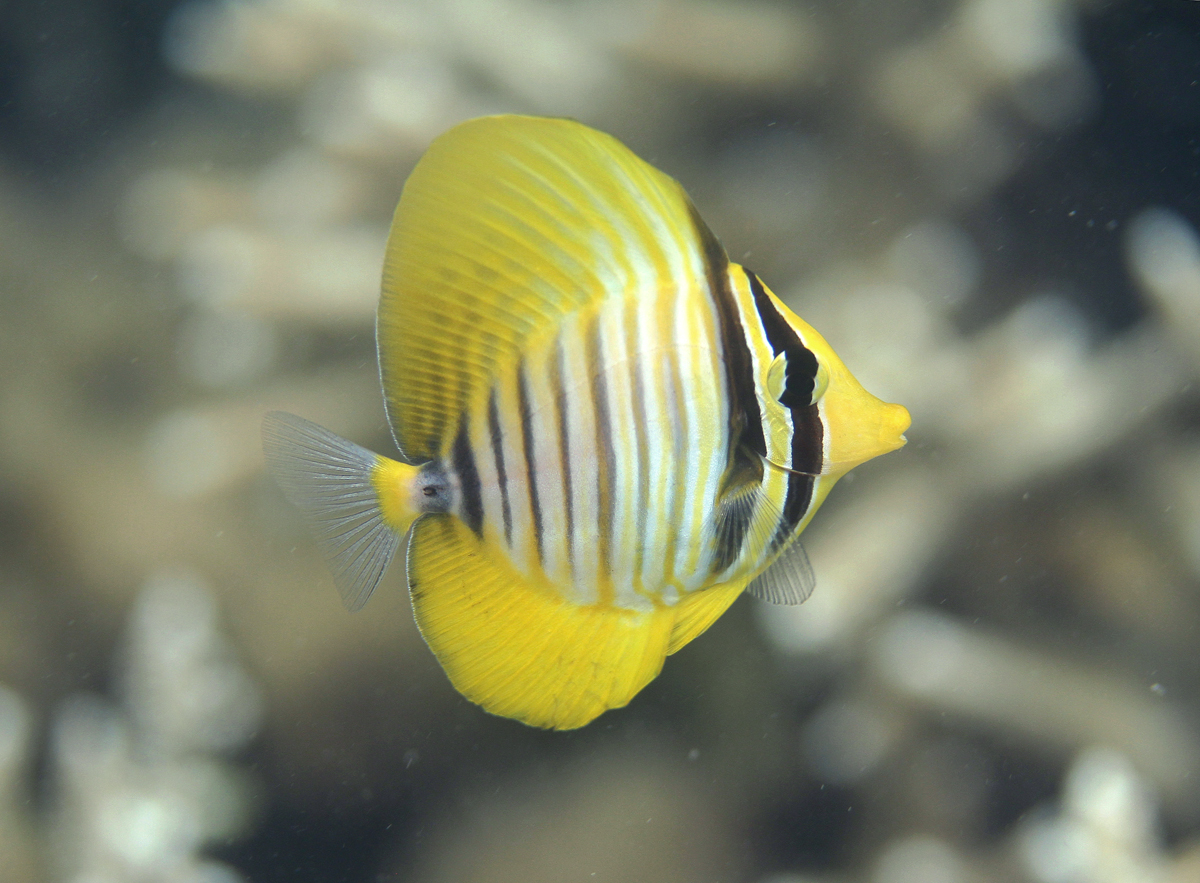
The Orange-Spine Unicornfish is a vibrant marine species known for its striking colors and unique spine.
Pricing for Verified Importers
Log in to see wholesale prices and order.
Export Size
up to 40.0 cm
Origin
Indo-Pacific
Temperature
24.0–28.0°C
Min. Tank Size
400 L
Salinity
32.000–36.000 ppt
pH
8.10–8.40
Diet
herbivore
The Orange-Spine Unicornfish (Naso lituratus) is a stunning marine species renowned for its vibrant orange spines and elongated body shape. Native to the coral reefs of the Indo-Pacific region, this fish displays a beautiful blend of blue and yellow hues, making it a popular choice among aquarium enthusiasts. Adults can reach a length of up to 40 centimeters, showcasing a distinctively pointed snout that gives rise to its common name. Their coloration can vary depending on their environment, but the striking orange spines remain a consistent feature.
In terms of behavior, the Orange-Spine Unicornfish is typically seen in schools, which provides safety against predators. They are herbivorous, primarily feeding on algae and plant material, which they graze from the surfaces of rocks and coral. Their social nature is often displayed in their interactions with other fish, making them a dynamic addition to community tanks. These fish are known to establish hierarchies within their groups, which can lead to interesting dynamics in larger aquariums.
The natural habitat of the Orange-Spine Unicornfish includes shallow coral reefs and lagoons where they can find ample food sources and shelter. They thrive in areas with good water flow and plenty of grazing opportunities, which are essential for their diet. The health of their population in the wild is closely tied to the condition of coral reefs, thus highlighting the importance of reef conservation for their continued survival.
In captivity, maintaining conditions that mimic their natural environment is crucial for their well-being. This species is active and requires ample swimming space, making them suitable for larger aquariums with plenty of rockwork and hiding spots. Their lively behavior and striking appearance contribute to their popularity in the aquarium trade, particularly among those seeking to create a vibrant marine display.
In terms of behavior, the Orange-Spine Unicornfish is typically seen in schools, which provides safety against predators. They are herbivorous, primarily feeding on algae and plant material, which they graze from the surfaces of rocks and coral. Their social nature is often displayed in their interactions with other fish, making them a dynamic addition to community tanks. These fish are known to establish hierarchies within their groups, which can lead to interesting dynamics in larger aquariums.
The natural habitat of the Orange-Spine Unicornfish includes shallow coral reefs and lagoons where they can find ample food sources and shelter. They thrive in areas with good water flow and plenty of grazing opportunities, which are essential for their diet. The health of their population in the wild is closely tied to the condition of coral reefs, thus highlighting the importance of reef conservation for their continued survival.
In captivity, maintaining conditions that mimic their natural environment is crucial for their well-being. This species is active and requires ample swimming space, making them suitable for larger aquariums with plenty of rockwork and hiding spots. Their lively behavior and striking appearance contribute to their popularity in the aquarium trade, particularly among those seeking to create a vibrant marine display.
When caring for the Orange-Spine Unicornfish, it's crucial to replicate their natural habitat as closely as possible. Ideal water parameters include a temperature range of 24-28°C, a salinity level between 32-36 ppt, and a pH level between 8.1 and 8.4. A minimum tank size of 400 liters is recommended to provide ample swimming space and territory.
Feeding should consist of a varied diet rich in plant material, including high-quality marine algae, spirulina-based foods, and herbivore-specific pellets. Supplementing their diet with occasional meaty treats can enhance their color and health. When introducing them to a community tank, ensure compatibility with other species, as they may exhibit territorial behavior, especially during breeding season. Choosing tank mates that are similarly sized and non-aggressive is advisable.
Acclimation should be a gradual process to minimize stress. Use a drip acclimation method over a 2-3 hour period to ensure the fish adjusts well to the new environment. Quarantine is strongly recommended for new arrivals to prevent the introduction of diseases. Monitor for signs of stress or illness closely after introduction, ensuring a smooth transition into their new home.
Feeding should consist of a varied diet rich in plant material, including high-quality marine algae, spirulina-based foods, and herbivore-specific pellets. Supplementing their diet with occasional meaty treats can enhance their color and health. When introducing them to a community tank, ensure compatibility with other species, as they may exhibit territorial behavior, especially during breeding season. Choosing tank mates that are similarly sized and non-aggressive is advisable.
Acclimation should be a gradual process to minimize stress. Use a drip acclimation method over a 2-3 hour period to ensure the fish adjusts well to the new environment. Quarantine is strongly recommended for new arrivals to prevent the introduction of diseases. Monitor for signs of stress or illness closely after introduction, ensuring a smooth transition into their new home.
The Orange-Spine Unicornfish is suitable for shipping, provided that proper packing methods are employed. A packing density of 1-2 fish per bag is recommended to minimize stress during transit. Maintain water temperatures between 22-26°C to ensure their health upon arrival. As a marine species, they are not subject to CITES regulations, simplifying the export process.
Species Parameters
Max Adult Size
40.0 cm
Origin
Indo-Pacific
Habitat
reef
Diet
herbivore
Temp Min
24.0 °C
Temp Max
28.0 °C
Salinity Min
32.000
Salinity Max
36.000
pH Min
8.10
pH Max
8.40
Min Tank
400 L