Palelipped Surgeonfish
Acanthurus leucocheilus
In Stock
Common stock
Wild Caught
Moderate care
With Caution
SKU: CB-MF-0294
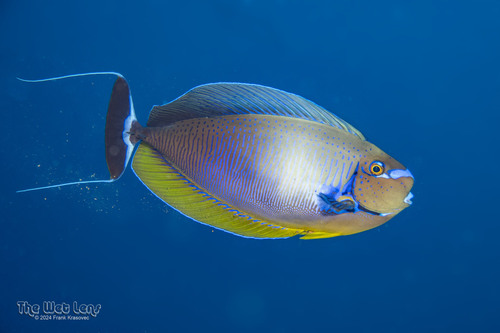
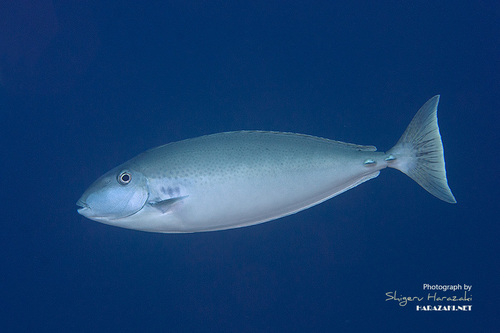
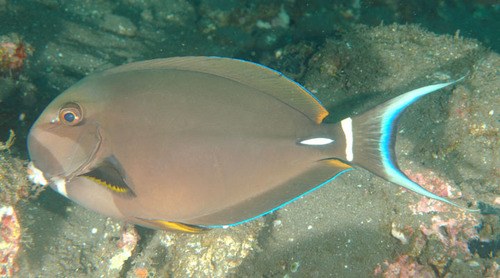
The Palelipped Surgeonfish is a striking addition to any marine aquarium, featuring vibrant colors and unique lip morphology.
Pricing for Verified Importers
Log in to see wholesale prices and order.
Export Size
up to 30.0 cm
Origin
Indo-Pacific
Temperature
24.0–28.0°C
Min. Tank Size
200 L
Salinity
32.000–35.000 ppt
pH
8.10–8.40
Diet
herbivore
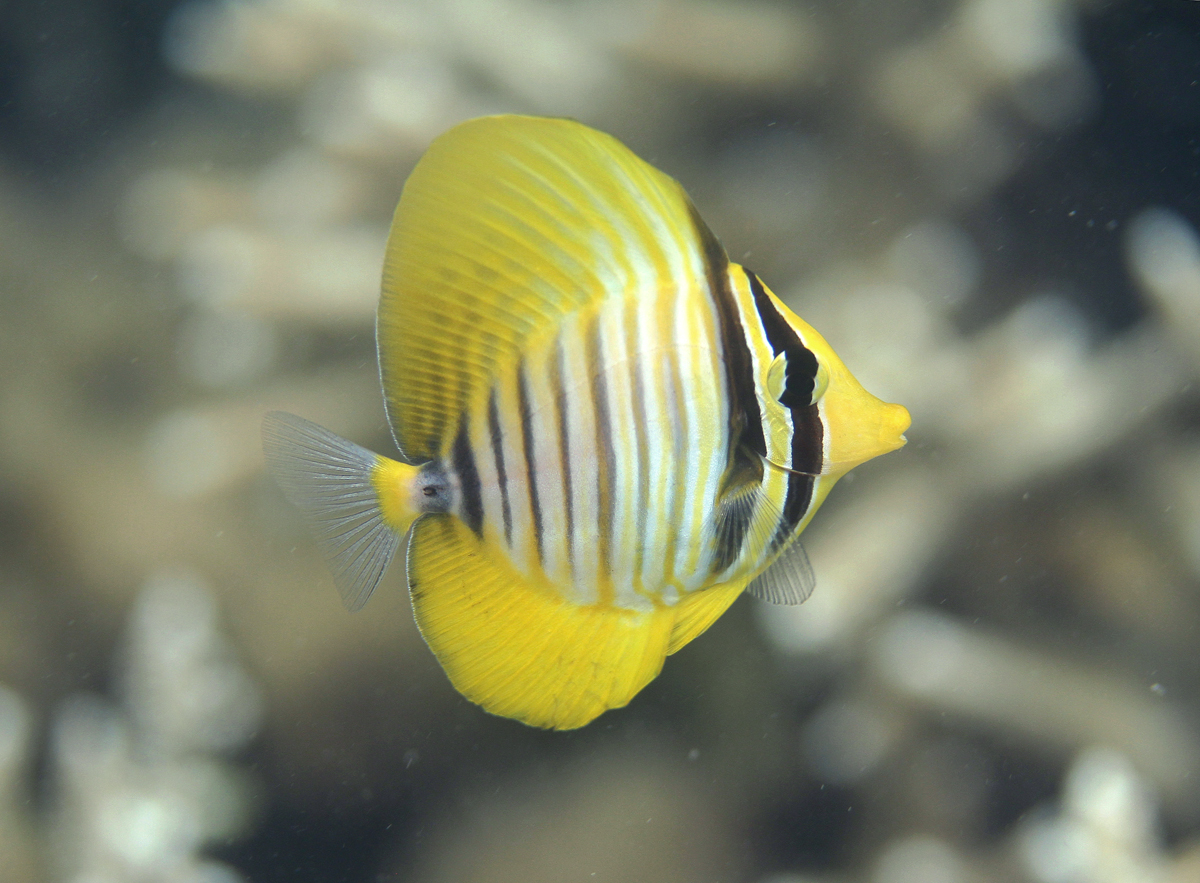
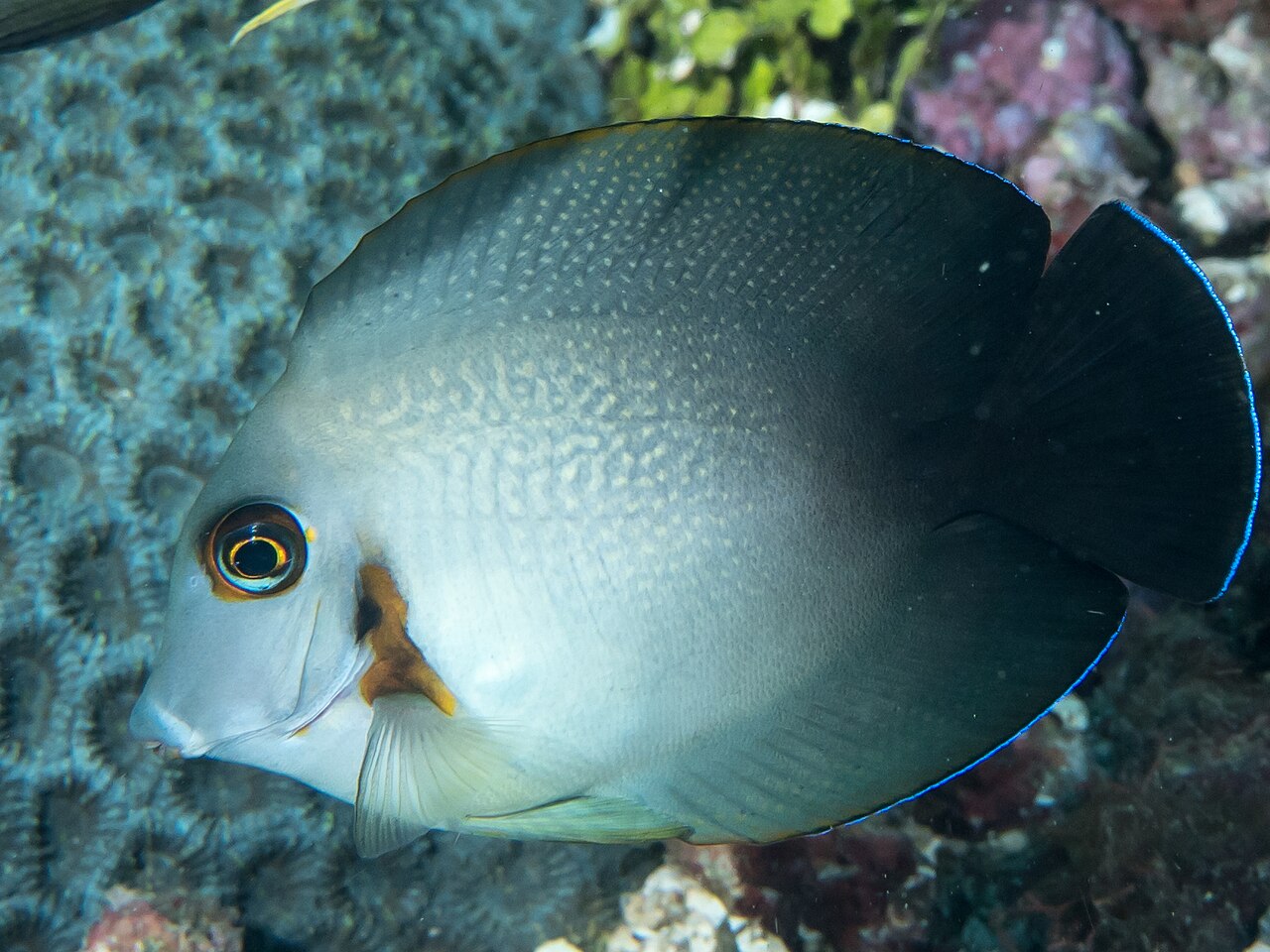
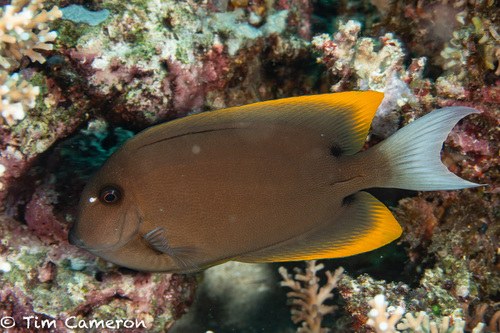
The Palelipped Surgeonfish (Acanthurus leucocheilus) is a captivating species native to the coral reefs of the Indo-Pacific region. This surgeonfish is particularly noted for its distinct pale-colored lips, which set it apart from other members of the Acanthuridae family. Its body is elongated and laterally compressed, adorned with a beautiful blend of blue, yellow, and black hues that provide both camouflage and visual appeal in its natural habitat.
In terms of behavior, the Palelipped Surgeonfish is known to be a social species that often forms schools, especially during feeding. These fish primarily graze on algae, playing a critical role in maintaining the health of coral reef ecosystems. Their active nature and schooling behavior make them a dynamic presence in any aquarium setup. They are typically found in shallow reef environments, where they can easily access their food sources.
The Palelipped Surgeonfish thrives in warm, tropical waters, often inhabiting areas with abundant coral cover. This species shows a preference for environments with a robust algal growth, which serves as their primary food source. Their adaptability allows them to thrive in various reef settings; however, they are particularly sensitive to changes in water quality and temperature. As a result, maintaining optimal tank conditions is crucial for their well-being.
Overall, the Palelipped Surgeonfish's vibrant appearance and engaging behavior make it a popular choice among aquarium enthusiasts and wholesalers alike. Its contribution to the health of coral reefs and its dynamic nature in captivity highlight the importance of sustainable practices in marine fish exportation.
In terms of behavior, the Palelipped Surgeonfish is known to be a social species that often forms schools, especially during feeding. These fish primarily graze on algae, playing a critical role in maintaining the health of coral reef ecosystems. Their active nature and schooling behavior make them a dynamic presence in any aquarium setup. They are typically found in shallow reef environments, where they can easily access their food sources.
The Palelipped Surgeonfish thrives in warm, tropical waters, often inhabiting areas with abundant coral cover. This species shows a preference for environments with a robust algal growth, which serves as their primary food source. Their adaptability allows them to thrive in various reef settings; however, they are particularly sensitive to changes in water quality and temperature. As a result, maintaining optimal tank conditions is crucial for their well-being.
Overall, the Palelipped Surgeonfish's vibrant appearance and engaging behavior make it a popular choice among aquarium enthusiasts and wholesalers alike. Its contribution to the health of coral reefs and its dynamic nature in captivity highlight the importance of sustainable practices in marine fish exportation.
To provide optimal care for the Palelipped Surgeonfish, aquarium importers and retailers should ensure that water parameters are closely monitored. The ideal temperature range is between 24°C to 28°C, with a salinity level of 32-35 ppt. A pH level between 8.1 and 8.4 is recommended to mimic their natural habitat. The minimum tank size should be at least 200 liters to allow ample swimming space and territorial behavior.
Feeding the Palelipped Surgeonfish requires a varied diet, focusing primarily on high-quality marine algae, spirulina flakes, and occasional meaty foods such as mysis shrimp or brine shrimp. This species is primarily herbivorous, so a diet rich in greens is essential for their health and vitality. Compatibility should be considered when placing them in a community tank, as they can be territorial with similar species; therefore, it’s advisable to keep them with larger, non-aggressive fish.
Acclimation is crucial for the Palelipped Surgeonfish. A slow drip acclimation method is recommended to help reduce stress during the transition to a new environment. Quarantine procedures should also be followed for at least two weeks before introducing them to a main display tank, ensuring they are free from diseases and parasites. With proper care and environment, the Palelipped Surgeonfish can thrive and showcase its beauty in any marine aquarium.
Feeding the Palelipped Surgeonfish requires a varied diet, focusing primarily on high-quality marine algae, spirulina flakes, and occasional meaty foods such as mysis shrimp or brine shrimp. This species is primarily herbivorous, so a diet rich in greens is essential for their health and vitality. Compatibility should be considered when placing them in a community tank, as they can be territorial with similar species; therefore, it’s advisable to keep them with larger, non-aggressive fish.
Acclimation is crucial for the Palelipped Surgeonfish. A slow drip acclimation method is recommended to help reduce stress during the transition to a new environment. Quarantine procedures should also be followed for at least two weeks before introducing them to a main display tank, ensuring they are free from diseases and parasites. With proper care and environment, the Palelipped Surgeonfish can thrive and showcase its beauty in any marine aquarium.
The Palelipped Surgeonfish is suitable for shipping and can handle transit well when properly packed. Ideal packing density should allow for ample space to prevent stress during transport. It is sensitive to temperature fluctuations, so maintaining a stable temperature during shipping is essential; a range of 24°C to 28°C is optimal. This species is not listed under CITES, which simplifies export requirements.
Species Parameters
Max Adult Size
30.0 cm
Origin
Indo-Pacific
Diet
herbivore
Temp Min
24.0 °C
Temp Max
28.0 °C
Salinity Min
32.000
Salinity Max
35.000
pH Min
8.10
pH Max
8.40
Min Tank
200 L