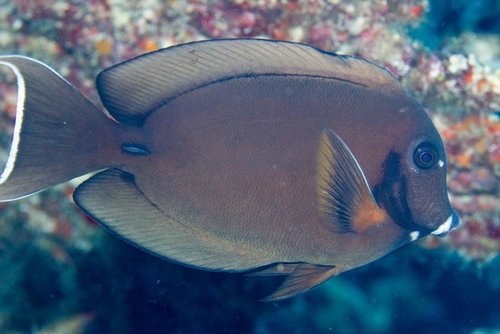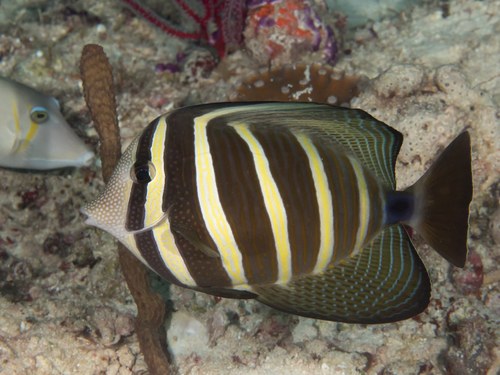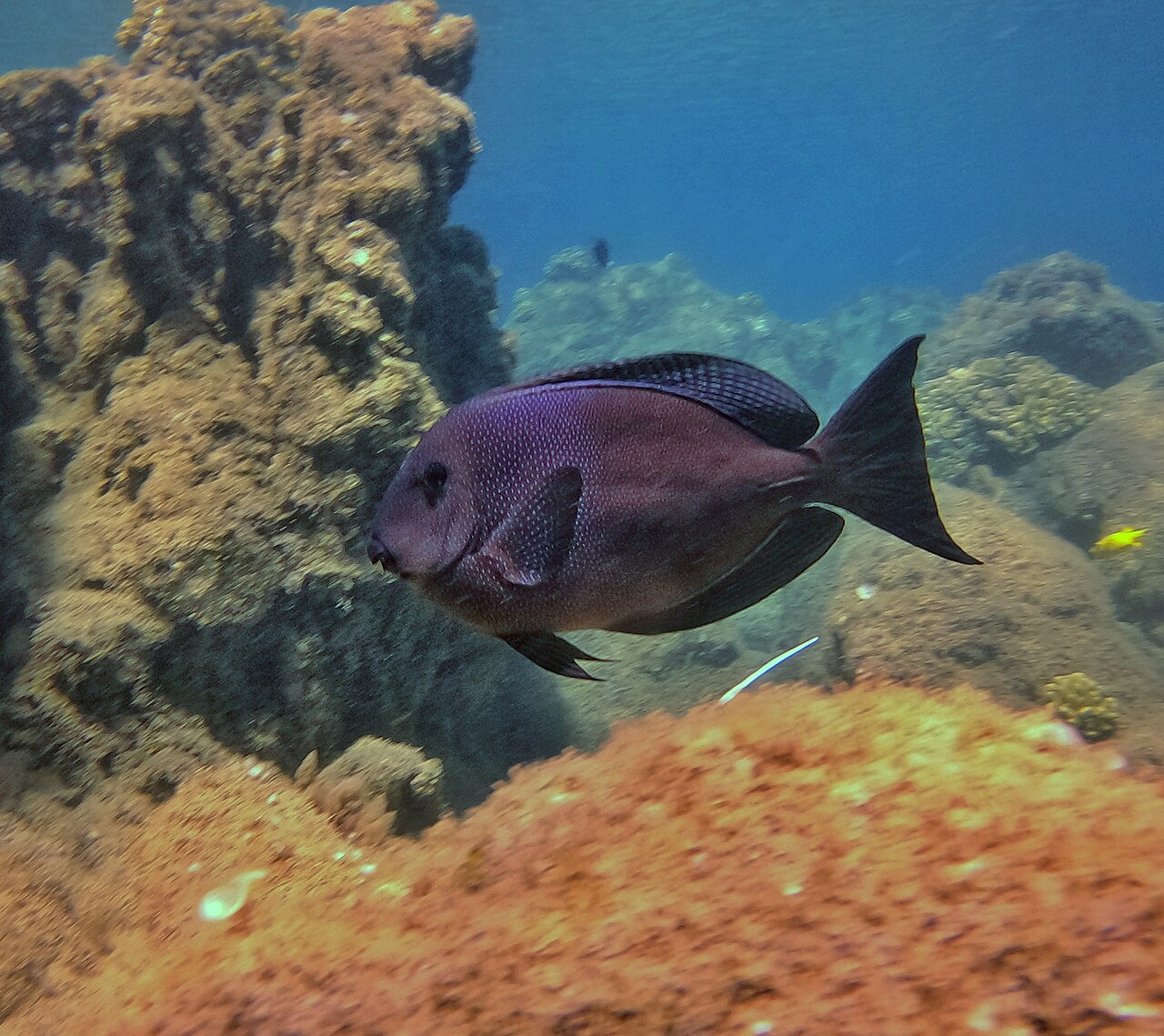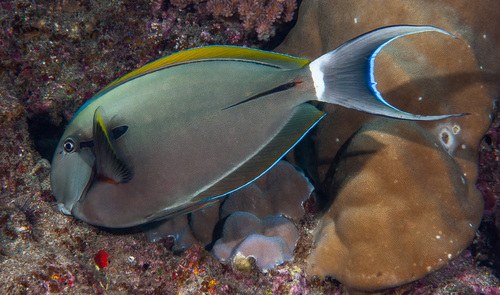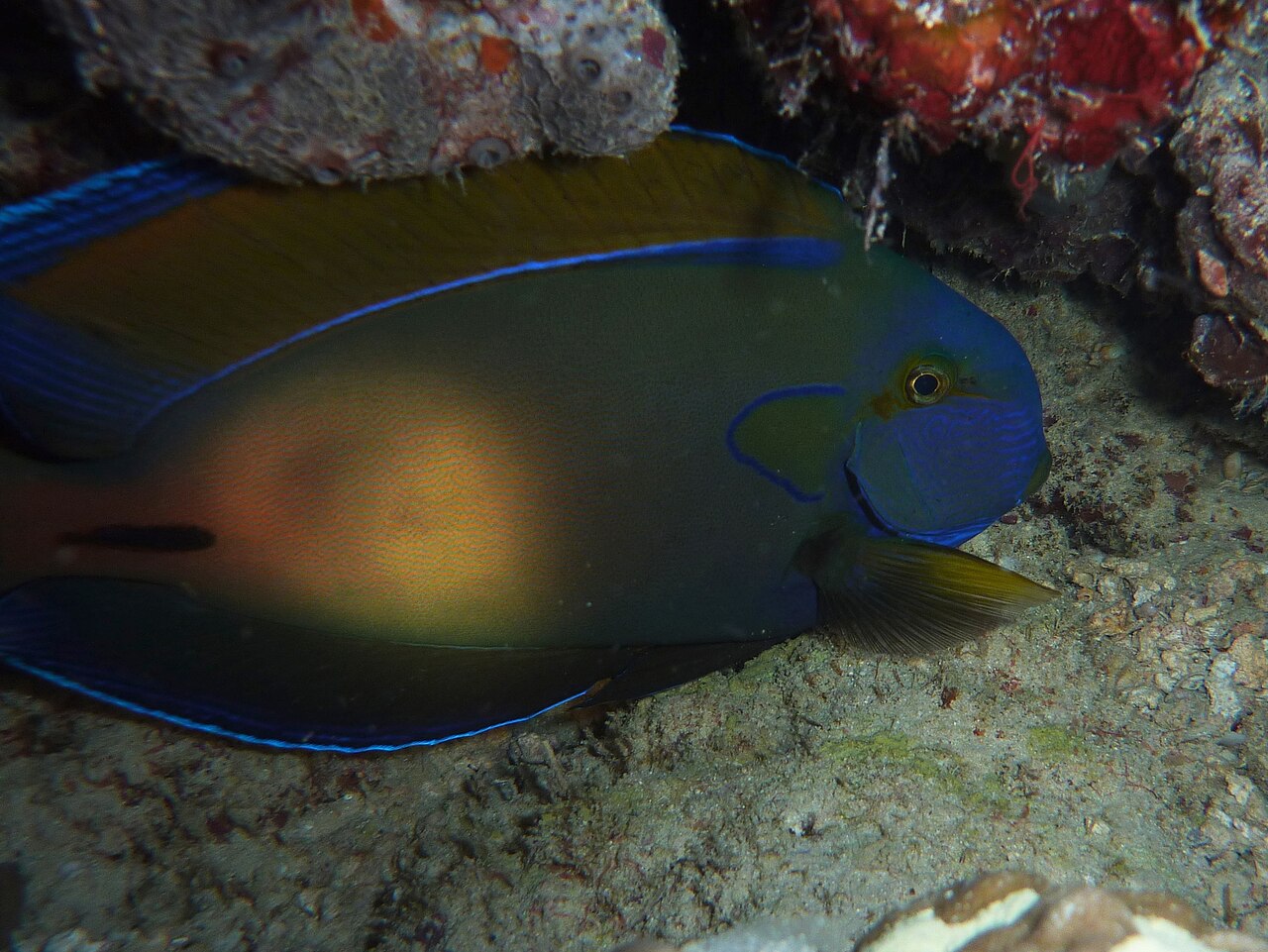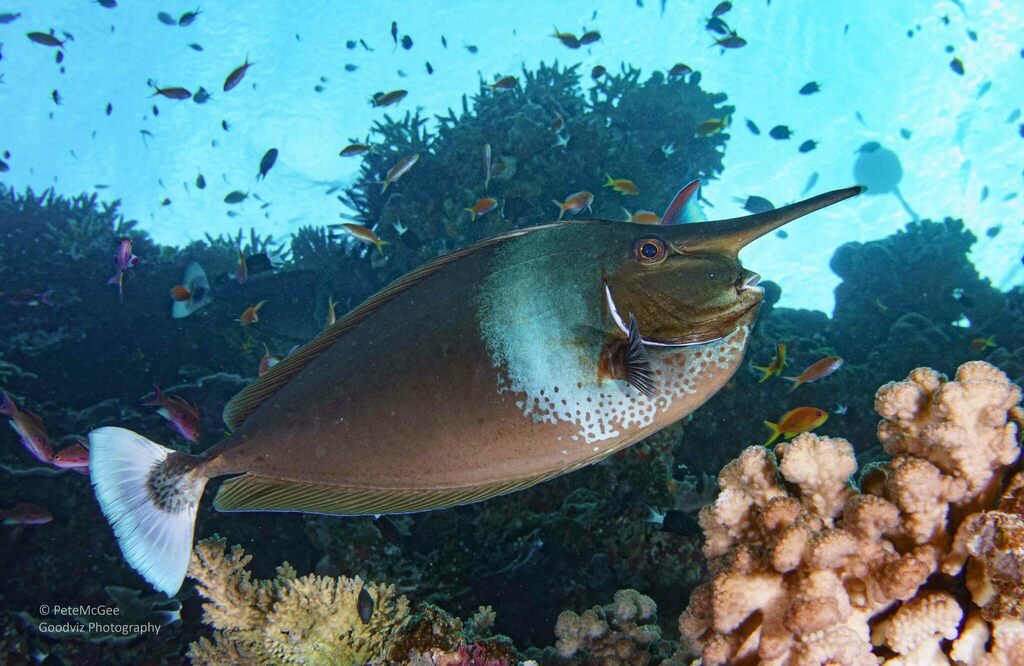
Spotted unicornfish/short-nosed unicornfish
naso brevirostris
In Stock
Common stock
Wild Caught
Moderate care
With Caution
SKU: ML-MF-0390
The spotted unicornfish boasts a striking appearance and vibrant colors, making it a favorite among marine enthusiasts.
Pricing for Verified Importers
Log in to see wholesale prices and order.
Export Size
up to 40.0 cm
Origin
Coral Triangle
Temperature
24.0–28.0°C
Min. Tank Size
400 L
Salinity
1.020–1.025 ppt
pH
8.10–8.40
Diet
herbivore
The spotted unicornfish, scientifically known as Naso brevirostris, is a captivating marine species native to the coral reefs of the Indo-Pacific region. This fish is easily recognizable by its elongated body, distinctive horn-like structure on its forehead, and a series of vibrant spots that decorate its scales. The horn develops more prominently in mature males, serving as a secondary sexual characteristic and an instrument for display during mating rituals. Its coloration can vary from bluish-gray to greenish-brown, often reflecting its environment and mood.
In terms of behavior, the spotted unicornfish is known for its peaceful nature, making it an excellent addition to community tanks. It typically forms schools in the wild, grazing on algae and small invertebrates. Their social structure is fascinating, as they engage in various displays to establish dominance and attract mates. These fish are diurnal, spending their days foraging and swimming in the open water or near the reef for food.
Habitat-wise, the spotted unicornfish thrives in shallow, warm waters, usually found at depths of 1 to 30 meters. They prefer areas with abundant coral growth, as these regions provide both food and shelter from predators. The coral reefs of the Coral Triangle—where biodiversity is extraordinarily high—are particularly significant as breeding and feeding grounds for this species.
Due to their vibrant appearance and engaging behavior, spotted unicornfish are increasingly sought after in the aquarium trade. However, it is essential for importers and retailers to understand their specific needs to ensure a successful introduction into captive environments.
In terms of behavior, the spotted unicornfish is known for its peaceful nature, making it an excellent addition to community tanks. It typically forms schools in the wild, grazing on algae and small invertebrates. Their social structure is fascinating, as they engage in various displays to establish dominance and attract mates. These fish are diurnal, spending their days foraging and swimming in the open water or near the reef for food.
Habitat-wise, the spotted unicornfish thrives in shallow, warm waters, usually found at depths of 1 to 30 meters. They prefer areas with abundant coral growth, as these regions provide both food and shelter from predators. The coral reefs of the Coral Triangle—where biodiversity is extraordinarily high—are particularly significant as breeding and feeding grounds for this species.
Due to their vibrant appearance and engaging behavior, spotted unicornfish are increasingly sought after in the aquarium trade. However, it is essential for importers and retailers to understand their specific needs to ensure a successful introduction into captive environments.
When caring for spotted unicornfish in captivity, maintaining proper water parameters is crucial. They thrive in temperatures ranging from 24 to 28 degrees Celsius, with a salinity level between 1.020 and 1.025 ppt. The pH should be kept between 8.1 and 8.4 to mimic their natural habitat. A minimum tank size of 400 liters is recommended, as these fish require ample swimming space.
Feeding should consist of a varied diet, predominantly made up of high-quality algae-based foods, complemented by occasional protein sources like brine shrimp or finely chopped seafood. This fish is primarily herbivorous, and providing a well-rounded diet will promote their health and vibrant coloration. Compatibility-wise, they do well with other peaceful species but should be monitored for any territorial disputes, especially with similar-looking species.
Acclimation is essential when introducing spotted unicornfish to a new environment. A slow drip acclimation method is recommended to help them adjust to the new water conditions. Quarantine procedures should be implemented for at least two weeks to monitor for any signs of disease before introducing them to community tanks, reducing the risk of transmitting pathogens.
Feeding should consist of a varied diet, predominantly made up of high-quality algae-based foods, complemented by occasional protein sources like brine shrimp or finely chopped seafood. This fish is primarily herbivorous, and providing a well-rounded diet will promote their health and vibrant coloration. Compatibility-wise, they do well with other peaceful species but should be monitored for any territorial disputes, especially with similar-looking species.
Acclimation is essential when introducing spotted unicornfish to a new environment. A slow drip acclimation method is recommended to help them adjust to the new water conditions. Quarantine procedures should be implemented for at least two weeks to monitor for any signs of disease before introducing them to community tanks, reducing the risk of transmitting pathogens.
The spotted unicornfish is suitable for shipping, provided they are packed with care to minimize stress. Use breathable bags with adequate oxygen and water to maintain quality during transport. A packing density of one fish per 20 liters is recommended to ensure enough space. Temperature should be maintained between 24 to 28 degrees Celsius, as they are sensitive to drastic changes. This species is not listed under CITES, making export regulations more straightforward.
Species Parameters
Max Adult Size
40.0 cm
Origin
Coral Triangle
Diet
herbivore
Temp Min
24.0 °C
Temp Max
28.0 °C
Salinity Min
1.020
Salinity Max
1.025
pH Min
8.10
pH Max
8.40
Min Tank
400 L