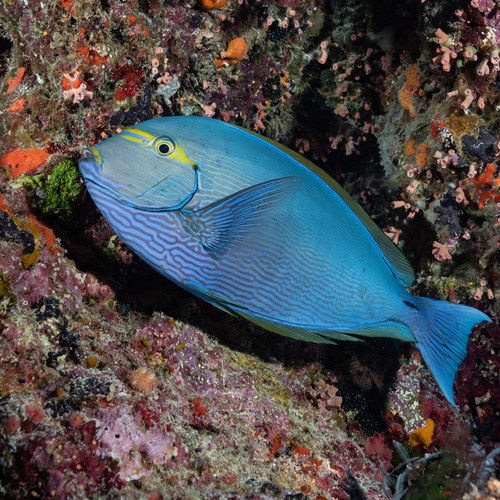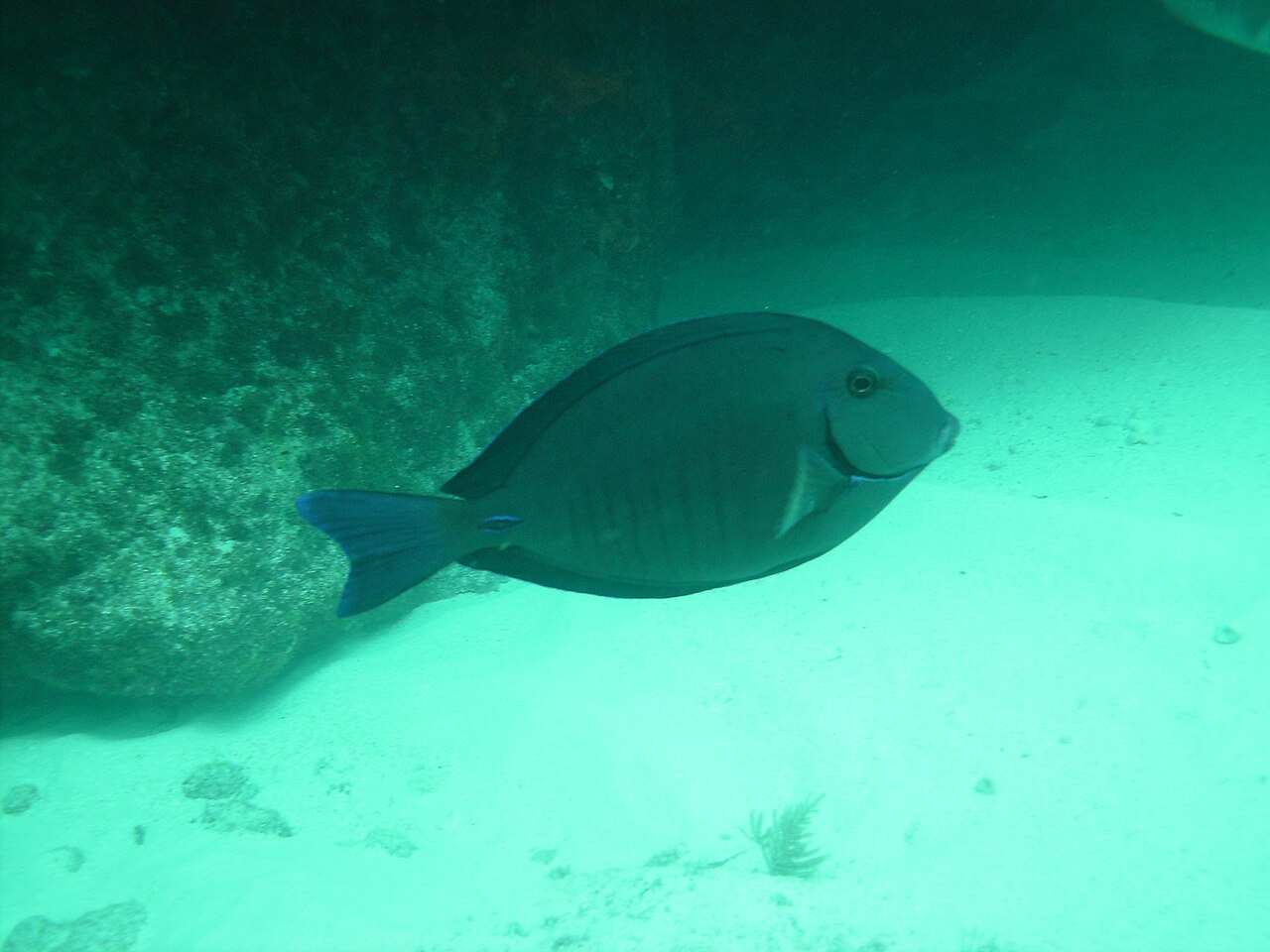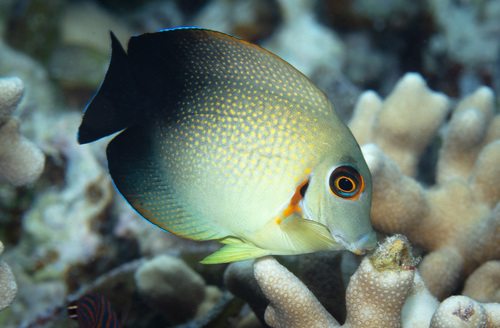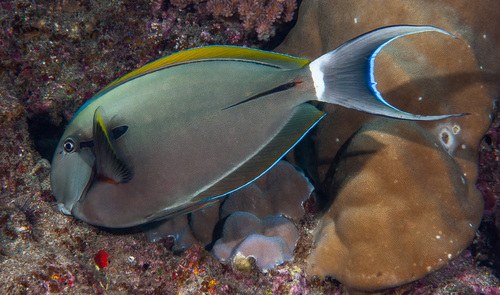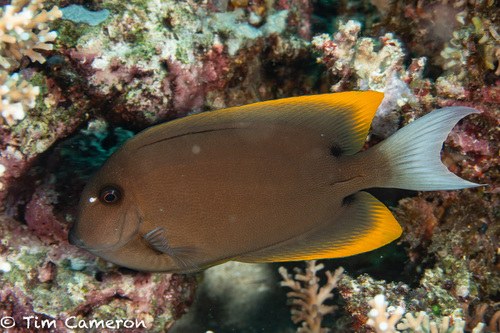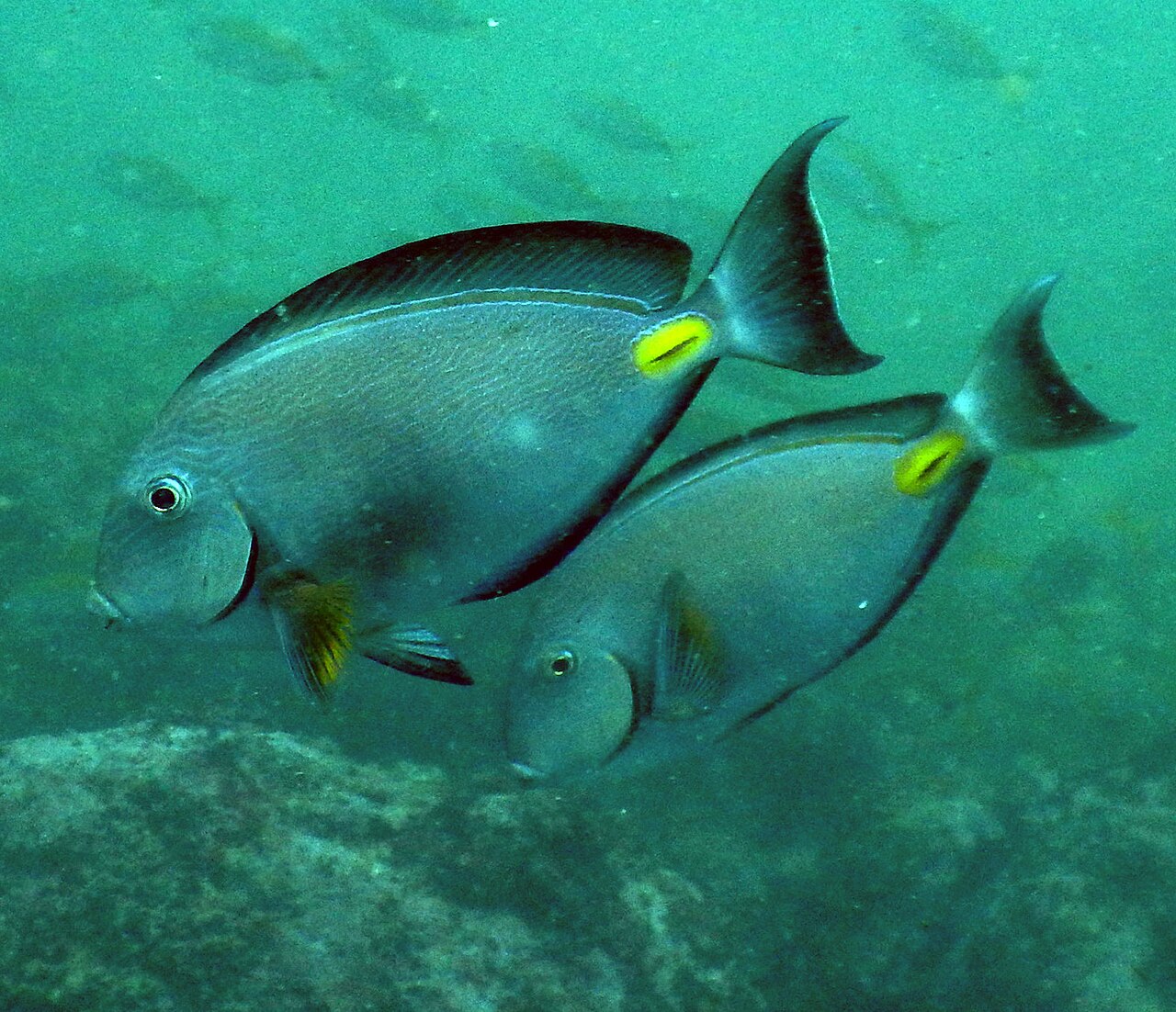
Yellow Bellied Blue Tang (Aceh)
Paracanthurus hepatus
Limited
Rare stock
Wild Caught
Moderate care
Reef Safe ✓
SKU: D155B
The Yellow Bellied Blue Tang boasts vibrant colors and is a popular choice for marine aquariums.
Pricing for Verified Importers
Log in to see wholesale prices and order.
Export Size
up to 30.0 cm
Origin
Indo-Pacific
Temperature
24.0–28.0°C
Min. Tank Size
200 L
Salinity
1.020–1.025 ppt
pH
8.10–8.40
Diet
herbivore
The Yellow Bellied Blue Tang (Paracanthurus hepatus), commonly known as the Palette Surgeonfish, is renowned for its stunning blue body and bright yellow belly. This species is widely recognized not only for its beauty but also for its importance in marine ecosystems. Native to the coral reefs of the Indo-Pacific region, particularly around Bali, it plays a vital role in maintaining the health of coral reefs by grazing on algae that can otherwise overwhelm coral growth.
In terms of appearance, the Yellow Bellied Blue Tang exhibits a brilliant electric blue coloration with a distinctive yellow patch on its belly, which is most prominent in adult specimens. Its body is oval-shaped and features a sharp spine on its tail, which it uses defensively against predators. This species is known for its energetic behavior and can often be seen swimming gracefully amongst the coral structures in its natural habitat.
Behaviorally, Yellow Bellied Blue Tangs are social creatures and thrive in the company of their own kind. They exhibit a range of behaviors, including territoriality and schooling, which is particularly evident during feeding. Their diet primarily consists of algae, and they are known to forage on the reef substrate, contributing to the ecological balance of their environment.
Habitat-wise, these fish prefer warm, shallow waters with abundant coral cover, typically found in lagoons and outer reef slopes. They are highly adapted to their environment, and their presence is indicative of a healthy reef ecosystem. Due to their vibrant appearance and engaging behavior, they are a favorite among aquarium enthusiasts and professionals alike.
In terms of appearance, the Yellow Bellied Blue Tang exhibits a brilliant electric blue coloration with a distinctive yellow patch on its belly, which is most prominent in adult specimens. Its body is oval-shaped and features a sharp spine on its tail, which it uses defensively against predators. This species is known for its energetic behavior and can often be seen swimming gracefully amongst the coral structures in its natural habitat.
Behaviorally, Yellow Bellied Blue Tangs are social creatures and thrive in the company of their own kind. They exhibit a range of behaviors, including territoriality and schooling, which is particularly evident during feeding. Their diet primarily consists of algae, and they are known to forage on the reef substrate, contributing to the ecological balance of their environment.
Habitat-wise, these fish prefer warm, shallow waters with abundant coral cover, typically found in lagoons and outer reef slopes. They are highly adapted to their environment, and their presence is indicative of a healthy reef ecosystem. Due to their vibrant appearance and engaging behavior, they are a favorite among aquarium enthusiasts and professionals alike.
For optimal care of the Yellow Bellied Blue Tang, it is crucial to maintain stable water parameters. Ideal temperature ranges from 24°C to 28°C, with a salinity level between 1.020 and 1.025 ppt. The pH should ideally be maintained between 8.1 and 8.4. These fish are sensitive to fluctuations in water quality, so regular testing and maintenance are essential.
Feeding should consist of a varied diet that includes high-quality marine algae, spirulina, and supplemented with occasional meaty foods such as mysis shrimp. It's important to provide multiple feedings throughout the day to mimic their natural grazing behavior. Compatibility-wise, Yellow Bellied Blue Tangs can be housed with other reef-safe species but should be monitored for territorial disputes, particularly with other surgeonfish.
Acclimation should be done gradually to reduce stress, ideally over a period of several hours using the drip acclimation method. Quarantine of new arrivals is highly recommended for at least 2-4 weeks to prevent the introduction of diseases to your main aquarium. Regular monitoring for signs of illness or stress will help ensure the health and longevity of these vibrant fish.
Feeding should consist of a varied diet that includes high-quality marine algae, spirulina, and supplemented with occasional meaty foods such as mysis shrimp. It's important to provide multiple feedings throughout the day to mimic their natural grazing behavior. Compatibility-wise, Yellow Bellied Blue Tangs can be housed with other reef-safe species but should be monitored for territorial disputes, particularly with other surgeonfish.
Acclimation should be done gradually to reduce stress, ideally over a period of several hours using the drip acclimation method. Quarantine of new arrivals is highly recommended for at least 2-4 weeks to prevent the introduction of diseases to your main aquarium. Regular monitoring for signs of illness or stress will help ensure the health and longevity of these vibrant fish.
The Yellow Bellied Blue Tang is suitable for shipping due to its hardy nature, but care must be taken to maintain optimal conditions. Packing density should allow for ample water flow and space to prevent stress. Temperature sensitivity is a key concern; maintaining a stable range of 24°C to 28°C during transit is crucial. This species is not listed under CITES, thus simplifying export regulations.
Species Parameters
Max Adult Size
30.0 cm
Origin
Indo-Pacific
Habitat
reef
Diet
herbivore
Temp Min
24.0 °C
Temp Max
28.0 °C
Salinity Min
1.020
Salinity Max
1.025
pH Min
8.10
pH Max
8.40
Min Tank
200 L