Golden Tilefish
Hoplolatilus luteus
In Stock
Common stock
Wild Caught
Moderate care
With Caution
SKU: CB-MF-0158
The Golden Tilefish is a stunning marine species prized for its vibrant coloration and unique behaviors.
Pricing for Verified Importers
Log in to see wholesale prices and order.
Export Size
up to 50.0 cm
Origin
Indo-Pacific
Temperature
24.0–28.0°C
Min. Tank Size
300 L
Salinity
30.000–35.000 ppt
pH
8.10–8.40
Diet
carnivore
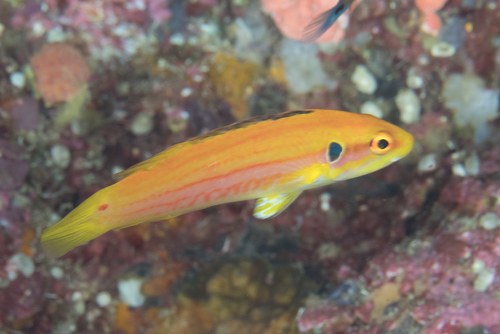
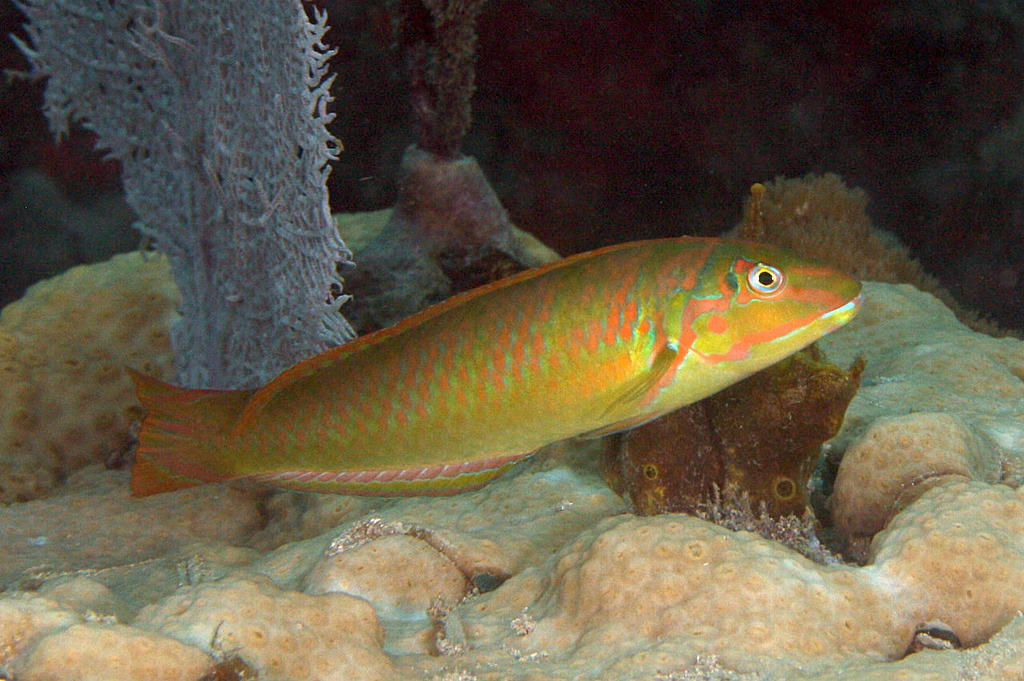
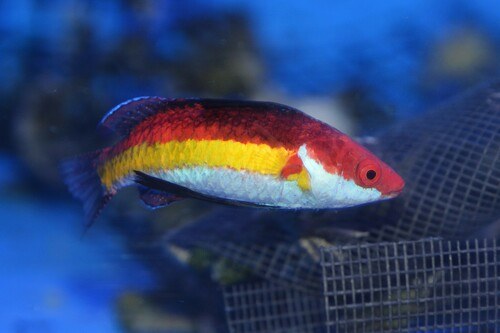
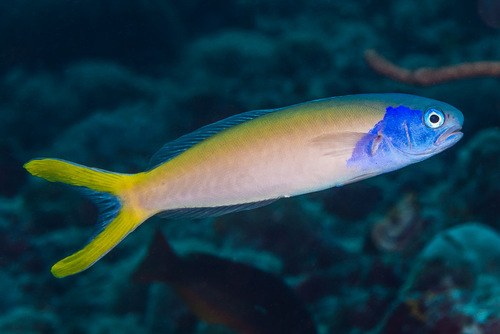
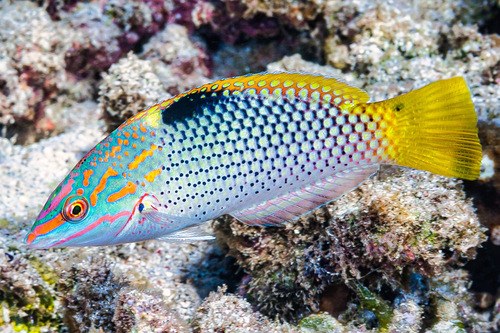
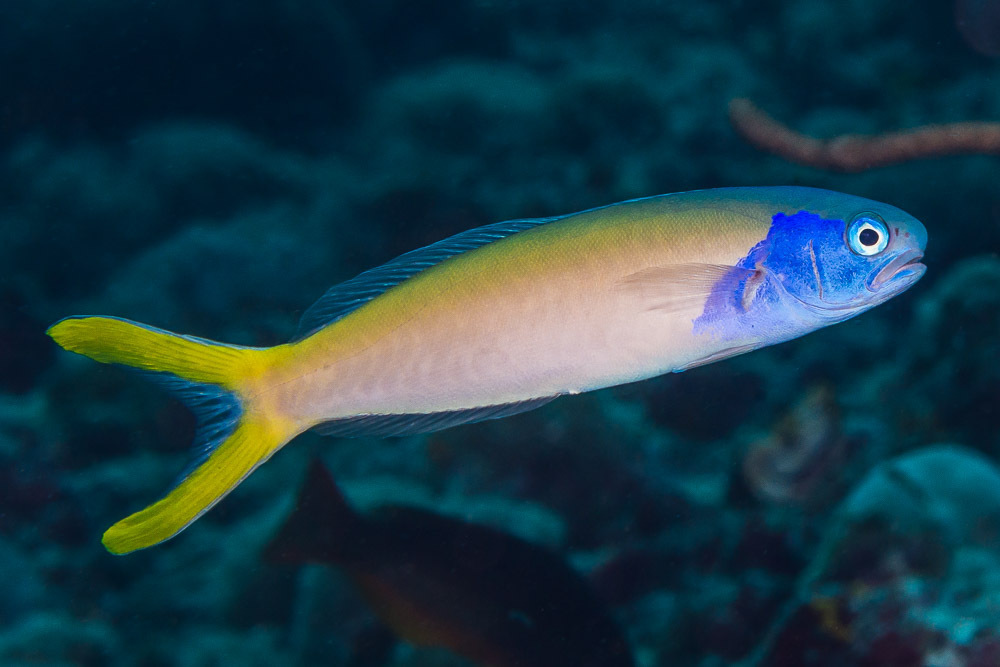
The Golden Tilefish (Hoplolatilus luteus) is a striking marine fish known for its vivid yellow coloration, which is particularly pronounced in adults. This species is characterized by its elongated body, prominent dorsal fin, and bright blue accents around the eyes and fins. Adult Golden Tilefish can reach lengths of up to 50 cm (approximately 20 inches), making them a notable presence in any aquarium setup. As a member of the tilefish family, they are often found in rocky reefs and sandy bottoms, where they utilize their keen senses to hunt for food.
In the wild, Golden Tilefish exhibit interesting behaviors, often forming loose aggregations around habitats that provide shelter from predators. They are primarily benthic feeders, hunting for crustaceans and small fish among the substrate. This species is known to be territorial, especially during breeding seasons, which adds a dynamic aspect to their social structure. Their natural habitat includes depths ranging from 30 to 200 meters, typically in warm waters of the Indo-Pacific region.
Golden Tilefish thrive in stable environments, which makes them both a challenge and a reward for aquarists. They require ample swimming space and access to structured environments that mimic their natural rocky habitats. Their vibrant coloration and active swimming behaviors make them a favorite among aquarium enthusiasts and collectors alike, as they add both beauty and intrigue to reef tanks.
In terms of conservation, Golden Tilefish populations are generally stable, but they are affected by habitat degradation and overfishing in some areas. Sustainable collecting practices are essential to ensure that this stunning species continues to thrive in both the wild and in aquariums worldwide.
In the wild, Golden Tilefish exhibit interesting behaviors, often forming loose aggregations around habitats that provide shelter from predators. They are primarily benthic feeders, hunting for crustaceans and small fish among the substrate. This species is known to be territorial, especially during breeding seasons, which adds a dynamic aspect to their social structure. Their natural habitat includes depths ranging from 30 to 200 meters, typically in warm waters of the Indo-Pacific region.
Golden Tilefish thrive in stable environments, which makes them both a challenge and a reward for aquarists. They require ample swimming space and access to structured environments that mimic their natural rocky habitats. Their vibrant coloration and active swimming behaviors make them a favorite among aquarium enthusiasts and collectors alike, as they add both beauty and intrigue to reef tanks.
In terms of conservation, Golden Tilefish populations are generally stable, but they are affected by habitat degradation and overfishing in some areas. Sustainable collecting practices are essential to ensure that this stunning species continues to thrive in both the wild and in aquariums worldwide.
When caring for Golden Tilefish, it is crucial to maintain optimal water parameters to ensure their health and well-being. Ideal water temperature should range between 24°C and 28°C, with a salinity of 30-35 ppt. The pH level should be kept between 8.1 and 8.4. These fish require a minimum tank size of 300 liters to provide sufficient swimming space and adequate filtration.
Feeding Golden Tilefish should include a varied diet primarily consisting of high-quality pellets, frozen or live food such as shrimp, mussels, and small fish. They are carnivorous and thrive on protein-rich diets. Compatibility with other species can be challenging due to their territorial nature; therefore, it is recommended to house them with similarly sized fish that can tolerate their assertive behavior.
Acclimation is vital when introducing Golden Tilefish to a new environment. A slow drip acclimation method is recommended to reduce stress. Quarantine new arrivals for at least two weeks to monitor for any signs of disease or stress before introducing them to the main tank. This proactive approach helps ensure the overall health of your aquatic environment and the well-being of the Golden Tilefish.
Feeding Golden Tilefish should include a varied diet primarily consisting of high-quality pellets, frozen or live food such as shrimp, mussels, and small fish. They are carnivorous and thrive on protein-rich diets. Compatibility with other species can be challenging due to their territorial nature; therefore, it is recommended to house them with similarly sized fish that can tolerate their assertive behavior.
Acclimation is vital when introducing Golden Tilefish to a new environment. A slow drip acclimation method is recommended to reduce stress. Quarantine new arrivals for at least two weeks to monitor for any signs of disease or stress before introducing them to the main tank. This proactive approach helps ensure the overall health of your aquatic environment and the well-being of the Golden Tilefish.
Golden Tilefish are suitable for shipping, provided they are packed carefully to minimize stress. A density of 1 fish per 20 liters is recommended to ensure adequate space and oxygen. They are sensitive to temperature fluctuations, so maintaining a range of 24-26°C during transport is critical. Currently, there are no CITES restrictions on Golden Tilefish, allowing for sustainable export practices.
Species Parameters
Max Adult Size
50.0 cm
Origin
Indo-Pacific
Diet
carnivore
Temp Min
24.0 °C
Temp Max
28.0 °C
Salinity Min
30.000
Salinity Max
35.000
pH Min
8.10
pH Max
8.40
Min Tank
300 L